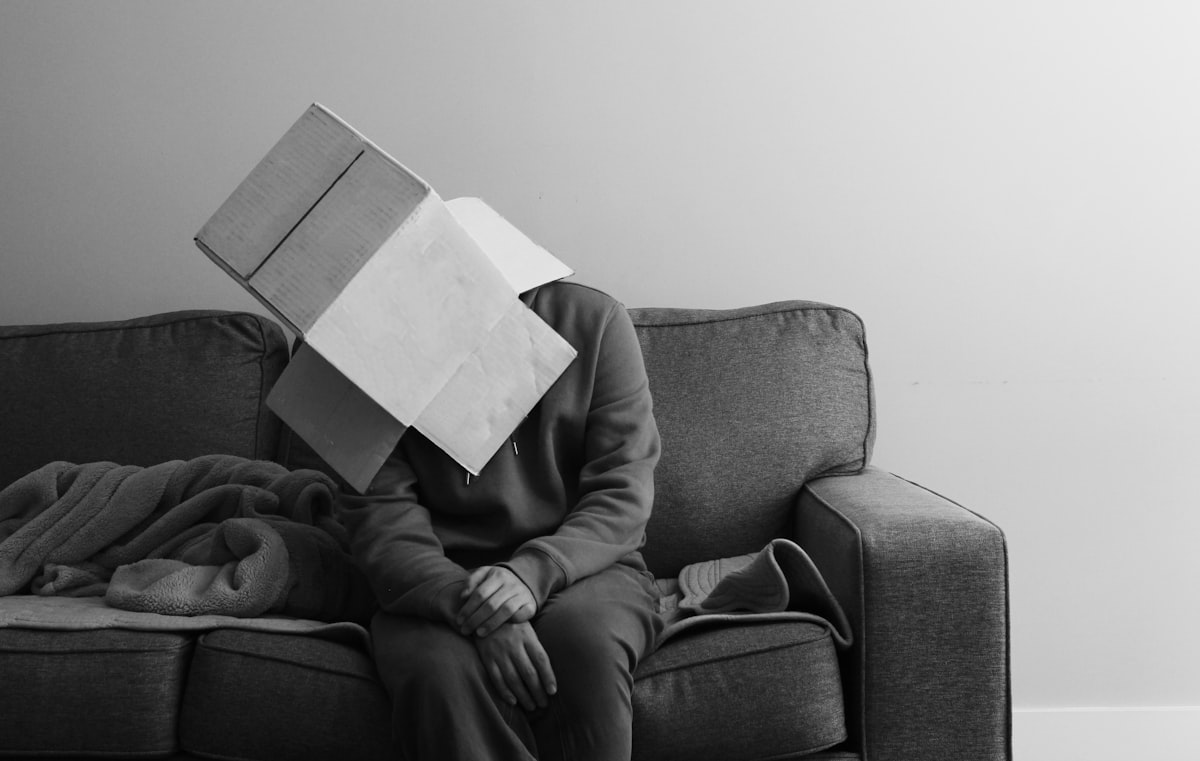
Stress & Cortisol
how to sleep well on vacation when your mind won't stop
By Nora Vale · December 1, 2025 · 7 min read
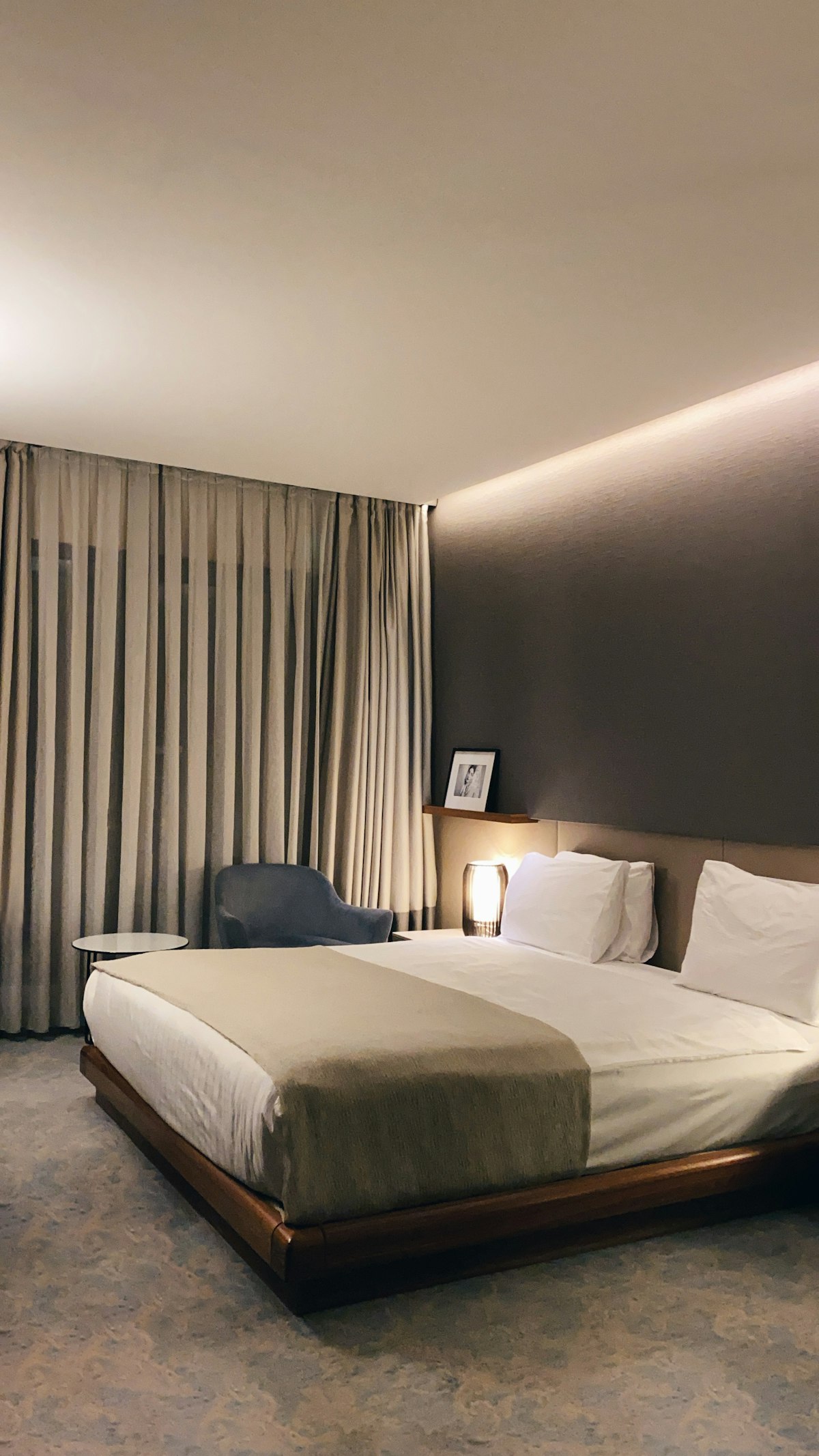
The first night of my sister’s beach vacation, the one she’d planned for eight months, she lay awake until three doing something she couldn’t have named if you’d asked: itemizing. The packing list, the car payment due while she was away, a work email she’d answered from the driveway, whether the sound of the waves was relaxing or just noise. She was lying in paradise doing the ceiling math she does at home, in a better room.
Vacation sleep fails for a reason that surprises people: it isn’t the stress of travel, it’s the absence of every cue. “stress doesn’t look like a problem. It looks like your life,” and on vacation your life comes along in a smaller bag. The stress and sleep guide covers the ordinary version; this post is about the portable one.
Key takeaways
- First nights in unfamiliar rooms are biologically lighter: part of the brain stays in watch mode, so hotel sleep is shallow by design, not by accident.
- Travel dismantles the four signals your brain checks for, dark, cool, quiet, and familiar, and you can rebuild all four in ten minutes with a packing kit.
- The mind that races on vacation is processing a backlog unstructured time created; give it a paper appointment and it stops interrupting the night.
- Keep bedtime within about an hour of home unless you’re crossing time zones, in which case local light and local meals lead.
Why the first night in a new room is light
There’s a well-known finding from sleep research, sometimes called the first-night effect: when people sleep in a lab or a hotel, one hemisphere of the brain stays more vigilant the first night, like a sailor keeping one eye open in a strange port. Your body treats an unfamiliar room as a room that needs monitoring, and ordinary noises, a hallway, an air conditioner cycling, a door two doors down, get flagged as events instead of filed as furniture.
That’s the biology half. The logistics half is that a hotel room quietly breaks every rule your home sleep runs on. The room runs warmer, or colder, than yours. Light leaks under the door. The pillow puts your neck at an angle your neck has opinions about. The evening has no shape: dinner at nine, screens until whenever, lights out at an hour your body has never met. None of it looks like a sleep problem. All of it lands on the same night.
So the first honest expectation: the first night may be mediocre, and that’s the room, not you. The goal is to make night one survivable and nights two onward good, not to perform perfect sleep in a building you’ve known for four hours.
Pack the four signals
Your brain checks four things before it commits to a night: dark, cool, quiet, familiar. All four pack smaller than shoes. Foam earplugs, the roll-and-hold kind, handle the quiet. Something to cover LEDs, electrical tape, a folded sticky note, handles the dark. A binder clip or two closes curtain gaps that leak streetlight at four in the morning. Cool is usually adjustable at the thermostat, and where it isn’t, kicking one leg out of the covers does more than you’d think.
Familiar is the sneaky one. The brain’s watch mode calms down faster when the room contains something it already associates with sleep, so the highest-value item in the kit is the book you’re reading at home, or the podcast voice you fall asleep to. A familiar-voiced show at low volume, with a timer so it doesn’t talk until dawn, has carried me through more strange bedrooms than any gadget.
The whole kit costs about twelve dollars and lives in a pocket of your bag permanently. Tom, a trucker the book follows, sleeps in a different hotel three or four nights a week, and his kit is exactly this: plugs, tape, two binders, a dark shirt to wear over his eyes, wool socks. “A room doesn’t have to be yours to work. It just has to stop arguing.” Ten minutes of setup turns any room into one that follows the same four rules as home.
The mind that races on the beach
Now the part my sister was actually asking about. Vacation hands your brain something it doesn’t get at home: unstructured time. And an unstructured brain, cut off from its usual list of tasks, does not go quiet. It starts processing the backlog, the open loops, the unpaid invoices of attention, the argument from three weeks ago, the decision you’ve been postponing. You finally lie down in a room with nothing to do and your brain files the whole folder at once.
The fix is the same one that works at home, shrunk for travel. Paper, two columns, fifteen minutes before bed: worry on the left, next concrete step on the right, or the honest phrase “nothing tonight.” A brain objects less to a problem than to an open loop, and the page turns loops into appointments. On vacation the page needs one extra line: what am I choosing not to solve until I’m home. Naming the boundary gives the 3 a.m. brain permission to wait with you.
And the pocket version for daytime: when a worry shows up at the pool, write it on whatever scrap lives in the bag and tell yourself the appointment is at ten. You’re not suppressing it, you’re filing it with a date attached. Half the entries on the evening page arrived this way, and none of them needed the beach.
Keeping the schedule without being a schedule person
Here’s the balance, and it tilts by trip type. Without time zones, keep bedtime and wake time within about an hour of home. You don’t have to be rigid about it; the point is that the last night of vacation and the first night home are both part of the trip, and a week of two a.m. bedtimes makes both of them wreckage. The wake time matters more than the bedtime, because it anchors the light that anchors everything else.
With real time zones, the schedule belongs to the destination from day one. Bright light in the local morning, dim evenings, meals at local hours even without appetite, and a first-day nap capped at twenty or thirty minutes so it doesn’t re-lock your clock onto home time. The jet lag recovery guide covers the arithmetic; for this post the short version is: feed the clock local evidence and it catches up in days instead of ruining the week.
Either way, keep some shape to the evening. Vacation evenings drift toward screens and drinks and later dinners, all three of which push sleep later, and the drift is cumulative. One portable wind-down, dim light, the familiar book, plugs in, keeps the thread without turning the trip into a routine audit.
What vacation sleep can’t fix
Honest limits, twice over. First, alcohol on vacation is a worse trade than at home: it buys sedation at midnight and collects in fragmented second-half sleep, and doing that on top of an unfamiliar room stacks two thieves. One drink with dinner is a different night from one at midnight, and the night keeps honest score on both.
Second, if you sleep badly on vacation and badly at home and badly on business trips, with loud snoring that a partner says includes pauses, the pattern isn’t the rooms. That’s a flag worth a doctor’s appointment, and vacation is actually a decent time to book it, because you’ll finally have a week of log rows from different rooms showing the same problem.
Frequently asked questions
Why do I sleep worse in hotels even when I’m relaxed?
The first night in a new room keeps part of the brain in watch mode, so normal noises get flagged and sleep runs shallow. Add a different pillow, light setup, and unstructured evening, and you’ve dismantled every cue your sleep relies on at home.
Should I keep my home bedtime on vacation?
Without time zones, keep bedtime within about an hour of home and hold the wake time, which anchors the light. Crossing time zones, feed the clock local light and meals from day one and let bedtime follow.
What should I pack to sleep better on vacation?
Foam earplugs, tape or sticky notes for LEDs, binder clips for curtain gaps, and one familiar sleep cue like the book you’re reading at home. The kit costs about twelve dollars and rebuilds dark, cool, quiet, and familiar.
Does alcohol help me sleep on vacation?
It buys sedation, not sleep, and the invoice arrives as fragmented second-half sleep. On top of an unfamiliar room it’s a worse trade than at home. One with dinner is a different night from one at midnight.
How do I stop my mind racing when I’m finally relaxed?
Unstructured time hands your brain a backlog to process. Give it a fifteen-minute worry page before bed, worry on the left, next step or “nothing tonight” on the right, and add one line: what am I not solving until I’m home.
The kit goes in the bag
Build the kit tonight, while it’s cheap: plugs, tape, two clips, the book. Add the fifteen-minute page and a bedtime within an hour of home. The full portable system, worksheets and all, is in Sleep, Finally. My sister’s second beach night was better, the third was good, and the fourth she slept through a thunderstorm. The room stopped arguing. The vacation finally started.
This guide is educational, not medical advice. If sleep falls apart in every room and every circumstance, or snoring includes pauses and gasping, that pattern deserves a doctor, not another packing trick.