Stress & Cortisol
Money Worries Keeping You Up: Steps for 3am Anxiety
By Nora Vale · June 9, 2025 · 7 min read
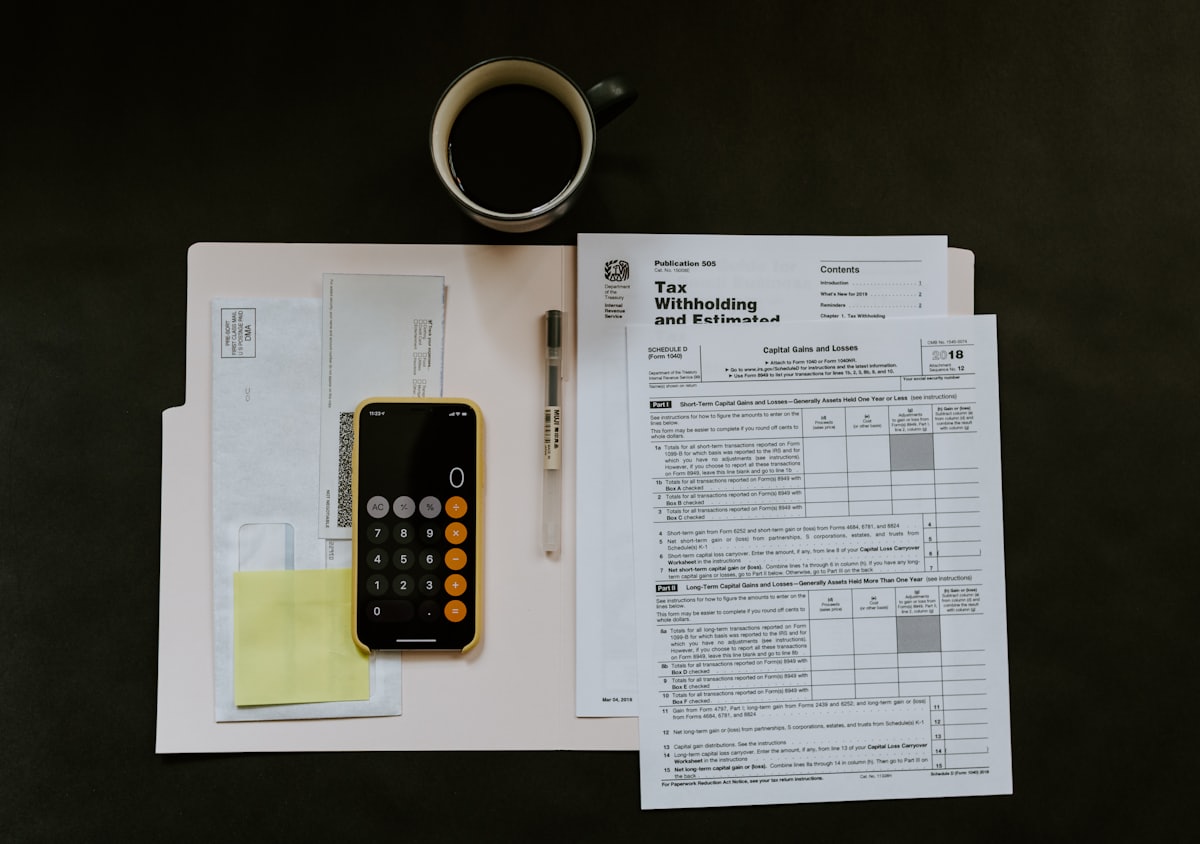
The balance was identical at three in the morning and at nine at night, and only one of those hours had me doing math on the ceiling with my heart going like a second career. Money worries don’t keep you up because your finances are worse at night. They keep you up because the night is the one shift where the worry has the whole stage and you have no moves, and I spent years reading that combination as a personal defect instead of what it was. The system this piece comes from lives in the stress and sleep guide, which covers the chemistry and the two moves that actually help.
Key takeaways
- Money worry at 3am is a timing problem: the day is where it lives, the night is when you notice, and 3am offers no moves.
- The fix isn’t a calmer life, it’s a scheduled one: a worry page run as a standing appointment, same fifteen minutes, same chair, every evening.
- Two columns, one rule: worry on the left, next concrete step on the right, and “nothing tonight” is a legitimate right-hand entry.
- Midnight never counts as a window, because a worry page written at midnight is just worry that found a pen.
- If wrecked nights run three or more a week for three months, that’s past what habits describe, and a doctor belongs in the plan.
Why money is the worry that owns the night shift
Stress doesn’t announce itself at the bank. It wears the best disguise of any sleep thief, because stress doesn’t look like a problem. It looks like your life: the car loan, the rent, the invoice that hasn’t landed, an ordinary Tuesday with numbers attached. None of it files itself under insomnia until midnight files the complaint. Surveys from the American Psychological Association find about four in ten adults saying stress kept them awake in the past month, and money is reliably one of the most cited subjects, which means the odds that this particular thief has visited your bedroom are excellent.
The mechanism is kinder than it feels. All day your body banks sleep pressure, a real physical cargo, and by eleven the cargo is genuinely there. Worry does one specific thing to the gauges: alertness triggered by worry blocks your perception of that pressure, so the sleepiness sits in the system while the readout insists otherwise. You’re not imagining the exhaustion and you’re not faking the wakefulness. The fuel gauge is what’s wrong, and the fuel gauge is worry.
And money is uniquely bad at the 3am hour for one plain reason: money problems are solvable only during business hours. At 3am you can’t call anyone or fix anything, so the brain does the only thing left, which is rehearsal. Nothing closes, because closing requires a move the hour doesn’t offer.
The worry page, upgraded into an appointment
The tool itself is humble. Paper, two columns, the worry on the left and the next concrete step on the right, written at the kitchen table two to three hours before bed. The upgrade that changes everything is the schedule: don’t run it as an emergency measure on bad nights, run it as a standing appointment, the same fifteen to twenty minutes at the same time every evening, on easy days and hard ones alike. Regularity is the dose.
The reason it works is pure office politics. A brain that interrupts your evening with worry is a colleague who doesn’t trust that the meeting will actually happen, so it keeps walking into your office with the same folder, and it stops walking in once the meeting becomes reliable. Give money worry a reliable slot and the interruptions thin out within a couple of weeks, which is what clinicians who use scheduled worry time within CBT-I report. The appointment teaches the brain it can afford to wait until seven.
One word of caution about the right-hand column, because it’s where the method lives or dies. “Deal with the money” is a mood, not a step. “Call the lender Thursday at nine” is a step. If the same entry appears five nights running, that’s data: either the step is too vague to count, or the worry is bigger than a column and wants a real conversation with a partner, an accountant, or a doctor.
Three rules that keep the window honest
The window needs guardrails, or it quietly becomes the thing it was meant to replace. Same time, same chair, paper instead of a phone, because the phone hosts the feed and the feed eats appointments. Midnight never counts as a window, because a worry page written at midnight is just worry that found a pen. And if the evening collapses and the window gets skipped, let it stay skipped rather than running it at eleven forty-five to make up. The schedule survives a skipped day. It doesn’t survive being moved to bedtime.
For the worries that ring the bell between windows, there’s a pocket move. When money anxiety shows up at ten in the morning or two in the afternoon, don’t argue with it and don’t follow it. Write it on whatever scrap lives nearby, three or four words, and say the time out loud if you’re alone: window’s at seven. That’s the entire interaction, and half the entries on any given page arrive this way.
The last rule applies specifically to the 3am version. When you wake at night with the balance running, the rules for night wakings still apply: no clock, no phone, no solving. The phone is worth its own warning, because checking the account at 3am converts a brief waking into a full audit with nothing to show for it.
The downshift hours between dinner and bed
The window does half the work. The other half belongs to the hours between the end of the day and bedtime, which decide more about your night than the last hour does, because the stress system needs evidence that the day’s emergencies have ended, and it doesn’t accept announcements. The evidence it takes is dull, physical, and boring to describe: a walk around the block after dinner, a shower, folding laundry with the radio on. Low-stakes tasks with an obvious ending, which is precisely what an idling-high system needs to believe nothing else is coming.
Watch the fake version, though, because money worry has a favorite one. Scrolling feels like a break because your hands are finally still, but if the feed is serving marketplace anxieties or the group chat is relitigating the budget, it isn’t a break at all, it’s the fire in pocket format. The walk works because it doesn’t know what it’s for. If it becomes a fitness project with a target heart rate, or a spreadsheet session with a target balance, you’ve accidentally gone back to work.
The bucket in the rainstorm, said plainly
Now the honest limit, and it’s a real one. Some weeks are genuinely bad: a job ending, a medical bill with too many digits, a month where the math simply doesn’t work. On those weeks, sleep hygiene is a bucket in a rainstorm. The page gets written, the walk happens, and the night is wrecked anyway, because the system has an actual fire and no technique talks a real fire out. I’ve carried the bucket. It gets you wet and it feels like failing.
The fix isn’t a better bucket. It’s lowering the bar before the week lowers it for you, down to one anchor kept perfectly: the wake time, the same alarm seven days running, with everything else graded pass-fail where everything passes. And one border said with respect: if the wrecked nights run three or more a week for three months straight, that’s past what habits describe, and a doctor’s conversation belongs in the plan. Making that appointment is a sleep skill too.
The sentence this whole method walks toward is worth writing down: the goal isn’t a calm life, it’s a scheduled one. My own life stayed exactly as stressful. The nights stopped joining in.
Frequently asked questions
Why do money worries hit hardest at 3am?
Because the night is when you notice and the day is where it lives. Nothing about your balance changed at 3am, but the house is quiet, your defenses are down, and there are no moves available until business hours, so the brain does the only thing left and rehearses. Worry also blocks your perception of sleep pressure, so you feel awake with the cargo still on board.
What actually helps money anxiety at night?
A worry page run as a standing appointment: paper, two columns, worry on the left and the next concrete step on the right, fifteen to twenty minutes at the same time every evening. The appointment teaches the brain it can afford to wait, and the interruptions thin out within a couple of weeks. At the 3am wake itself, no clock, no phone, no solving.
Should I check my bank account when I wake at 3am?
No. The balance is the same one it was at nine, and checking converts a waking into a full audit you can’t act on. Nothing genuine arrives at 3am that can’t survive until the scheduled window, where the same number comes with moves attached instead of math on the ceiling.
How long does scheduled worry time take to work?
About two weeks of daily-ness. A brain that interrupts your evening with worry is a colleague who doesn’t trust that the meeting will actually happen, so it keeps walking in with the same folder until the meeting becomes reliable. Clinicians who use scheduled worry time within CBT-I report the same arc, and so did my own kitchen table.
When does money stress warrant outside help?
Two signals. If the same worry lands on the page five nights running, either the next step is too vague or the problem wants a real conversation with a partner, an accountant, or a doctor. And if wrecked nights run three or more a week for three months, that’s past what habits describe, and a clinician belongs in the plan without any shame attached.
If you want the full chapter behind this, the worry window, the downshift hours, and the anchor for the worst weeks, it’s in Sleep, Finally. The page costs nothing. The window opens at seven.
This guide is educational, not medical advice. If money worry and broken nights persist for months, a doctor or a financial counselor is the right next stop, and often both.