Hormones & Sleep
Perimenopause Sleep While Traveling
By Nora Vale · July 1, 2026 · 6 min read
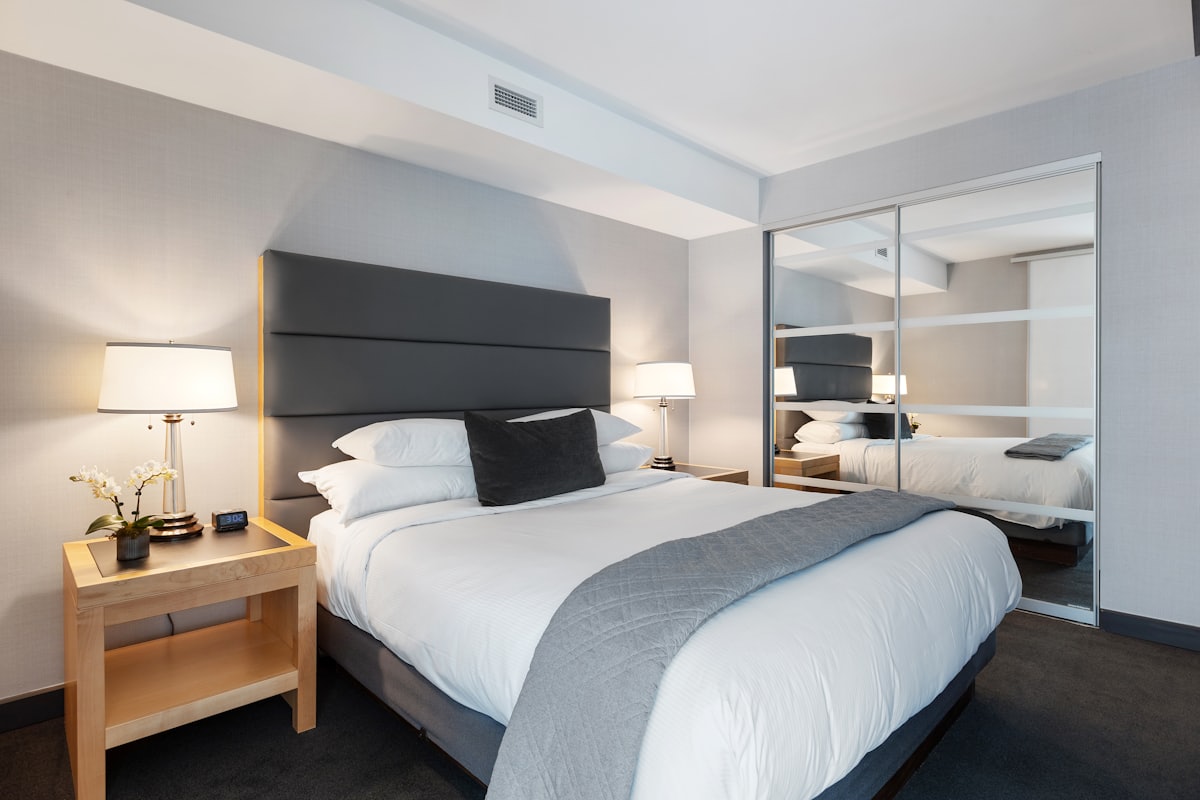
The first trip I took deep into perimenopause, I packed for the trip and forgot to pack for my nights. The hotel was lovely, the duvet was architectural, the room faced a courtyard fan unit that cycled on and off, and I spent three nights doing the flash-and-freeze dance on someone else’s mattress, arriving at morning meetings looking like the woman in the book’s worst stories. What I learned the hard way is that perimenopause sleep travel needs its own packing list, because the cooling playbook works at home partly because your home is built for it. Away from home, you have to bring the system with you.
The hormones and sleep guide is generous about this, in its way: it treats travel’s sleep damage as physics rather than failure, and its travel chapter line about naps, “Naps count. Guilt doesn’t add a minute,” applies to this decade more than any other. This post is the packing version of the cooling playbook: what to bring, what to request, and what to expect honestly.
Key takeaways
- The playbook travels, but only if you pack it: wicking sleepwear, layers, mask, earplugs, a fan plan, and a cold-pack plan.
- Request the room’s cooling before you need it: AC pre-run, two duvets instead of one, a fan if the room has one.
- Jet lag stacks on perimenopause; use the light-timing rules and cap naps at twenty to thirty minutes before mid-afternoon.
- Expect the margin to be thinner on the road and plan modest days on purpose.
- Rooms and schedules won’t be yours. The system can be.
Why travel hits differently in this decade
Start with the honest stack. Travel fragments sleep on its own, in any body: a new bed, new sounds, new light, the first-night effect that keeps half your brain on watch. Jet lag then shifts your clock, which means your body’s temperature rhythm, one of sleep’s key signals, is misaligned with local night. And perimenopause has already thinned the margin, so the flashes that your home setup neutralizes in minutes now land on a body that’s also jet-lagged, in a room you can’t tune, wearing whatever the hotel stocks.
None of that is a discipline problem, and none of it is a surprise to the book’s method. The whole chapter’s stance is that hormones “change the rules of the game. They don’t cancel it,” and travel is a rule-change event. The practical response isn’t heroics. It’s bringing the system.
One more honest note before the packing list: stress about sleep is itself a sleep disruptor, and travel is full of it. The worry that tonight might be a bad night does the “worry finishes it” work even when the flash doesn’t. The wind-down and worry-window tools from the fundamentals are as worth packing as the pajamas, covered at how to do a constructive worry session tonight.
The packing list, built from the cooling playbook
The home playbook has four layers, room, bedding, fabric, and the cold pack, and each has a travel version.
Fabric comes first because it’s lightest to pack. Moisture-wicking pajamas, synthetics or merino, never cotton for this job, and pack a spare set within reach of the bed, because changing clothes in a strange room at 3 a.m. is exactly the “changing clothes in the dark” experience the book describes. The spare set matters more than it sounds: knowing it’s there lowers the stakes of the first set getting drenched.
The room’s cooling is a set of requests, not gear. Ask for the AC to be pre-run before you arrive, or run it yourself the moment you check in, because a cold room at bedtime is worth more than any gadget. If the duvet is the heavy architectural kind, request a second, thinner blanket setup or swap the duvet for sheets; hotels do this without blinking, and the layered exits the book prescribes, “loose layers, you want exits,” can be rebuilt from any housekeeping stock. If the room has a fan, position it across your body before you sleep, not at your face, per do bedroom fans actually help night sweats. If it doesn’t, a small travel fan in the suitcase is the single most defensible piece of gear on this list.
The cold pack has a hotel version, and it’s the minibar. Ice wrapped in a towel against neck or wrists at the start of a flash is the book’s own move, and any hotel ice machine makes it available. Some travelers travel with reusable gel packs that the minibar chills daily; that’s the upgraded version, and the towel-plus-ice version is fine.
The sleep mask and earplugs are the portable version of a dark, quiet room, which matters double here because you can’t cover a hotel’s glass or silence its courtyard. How to make a hotel room dark and quiet is the full walkthrough of the room you can’t control, and blackout curtains for sleeping in past sunrise is the home version of the same fight.
Jet lag on top of everything
If the trip crosses time zones, the clock work stacks on the cooling work, and the good news is that the two playbooks don’t conflict. The book’s travel rules are simple: bright light in the local morning, dim in the local evening when flying east, the reverse when flying west, meals and activity on local time from day one. Naps are allowed, capped at twenty to thirty minutes and ending by mid-afternoon, because a long, late nap re-locks the clock to home time.
The perimenopause twist is that your margin for the wrecked first day is thinner, so the book’s advice to schedule day one lightly, a walk in morning light, nothing consequential before noon, is not optional for you. Plan it that way on purpose. The full clock method lives in how to shift your sleep before you fly, why jet lag hits harder flying east, and when to take melatonin for jet lag if you and your doctor decide the supplement earns its place.
And the expectations rule transfers directly from the heat-wave and luteal-week playbooks: “A modest week costs you nothing. A fought week costs you the week.” A trip with a planned-light first day and a realistic second day beats a trip that demands day-one heroics from a body running a thinner margin in a foreign bed.
The morning-after, and the log
Two small tools that earn their suitcase space. First, the morning line of the sleep log: on the road, one honest line about last night takes ninety seconds and keeps you from blaming the whole trip for one bad room. Second, the morning-after protocol for a wrecked night: light, water, movement, a short nap if the day allows, and no grading. How to survive the day after a bad night is the general version, and it works in every time zone.
The log has one more travel use worth naming: if your nights are consistently worse on the road than at home, even with the playbook, that’s useful data about how much of your home setup is doing the work, and it’s exactly the kind of honest record that makes a doctor conversation productive if the flashes themselves are escalating. The book’s boundary, “notebooks record. Labs read. I can’t,” travels too.
Honest limits
Travel during perimenopause is genuinely harder than the ads for sleep supplements suggest, and some nights on the road will be bad no matter what you pack. The playbook raises the floor; it doesn’t guarantee the ceiling. Rooms differ, climates differ, and the first-night effect happens to everyone, including the best-equipped travelers.
Also honest: if the trips are frequent and the nights are consistently bad, that’s a real logistics problem worth solving at its root, whether that means different accommodation choices, a conversation with a doctor about how disruptive the flashes have become, or rescheduling travel patterns where you control them. The book’s line about the doctor conversation, that bringing honest effort first is what makes the visit worth having, applies to the travel version as much as the home one.
Frequently asked questions
How do I handle perimenopause night sweats in a hotel?
Travel with your own portable version of the cooling playbook: request two thinner duvets instead of one heavy one, run the room’s AC cold before bed, pack moisture-wicking sleepwear and a travel fan or face the room’s fan across your body, and keep a cold pack in the minibar. The room won’t be yours; the system can be.
Does travel itself make perimenopause sleep worse?
It stacks stressors: a new environment fragments sleep on its own, jet lag shifts your clock, and perimenopause has already thinned your margin. None of that is failure. It’s three ordinary forces arriving at once, and the playbook above works on each.
What should I pack specifically for perimenopause sleep?
Moisture-wicking pajamas, a spare for bad nights, a sleep mask and earplugs, a small fan if the destination’s airflow is uncertain, a cold pack plan (minibar ice in a towel works), and your layers: light pajamas, easy exits, nothing that traps heat.
Should I nap during travel days with perimenopause sleep trouble?
Yes, and without guilt. Naps count, in the book’s words, and guilt doesn’t add a minute. Keep them twenty to thirty minutes and before mid-afternoon if crossing time zones, so they restore you without re-locking your clock to home time.
The complete cooling playbook and the travel rules that layer on top of it, are in Sleep Finally.
This article is educational, not medical advice. If night sweats are escalating or disrupting travel and life despite honest effort, that’s a conversation for a clinician who listens.