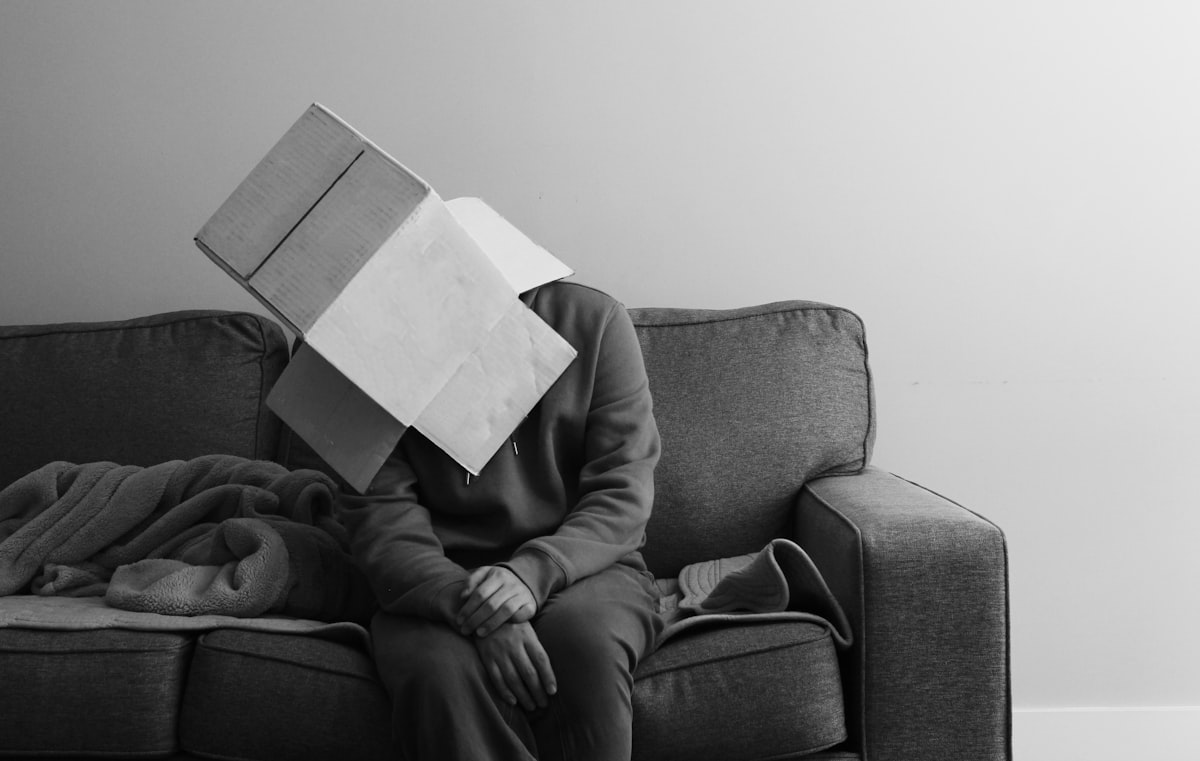
Stress & Cortisol
Stress and Sleep Myths That Keep You Tired
By Nora Vale · December 28, 2025 · 7 min read

The advice column version of stress and sleep is a short list: calm your life, avoid caffeine, relax more. I tried all three for a decade, and the reason none of them worked is that all three are wrong in the same way. They aim at a life that doesn’t exist.
The stress and sleep guide covers the full mechanics, but the myths deserve a takedown of their own, because each one sounds responsible and each one keeps you tired.
Key takeaways
- Stress doesn’t look like a problem. It looks like your life, which is why you never count as stressed.
- Cortisol isn’t a villain, it’s a shift worker, and the morning spike is doing a job you want done.
- You can’t delete stress, so give it a slot: a standing worry window beats a lifetime of resisting interruptions.
- The goal isn’t a calm life, it’s a scheduled one, and the nights stop joining in even when the days don’t calm down.
Myth one: you’d sleep fine if your life were calmer
Here’s the myth I believed longest. For most of the years my sleep was worst, I didn’t count as stressed. Nothing in my life was on fire, so the word stress sounded too big and too much like an excuse, and I read my 3 a.m. as a personal defect instead of what it was. A chemistry report.
Stress doesn’t look like a problem. It looks like your life. The carpool, the dishes, the ordinary Tuesday, a low hum of unfinished everything. Surveys from the American Psychological Association find about four in ten adults saying stress kept them awake in the past month, and most of them would tell you honestly that their days aren’t dramatic. The votes are small, and the votes compound into an idle that sits higher than it should, hour after hour, for years. If you’re waiting for a life calm enough to sleep in, the wait is the problem.
Myth two: cortisol is the enemy
The wellness industry has spent a decade selling cortisol as a villain, which is roughly like running a documentary series on the menace of oxygen. It isn’t a villain. It’s a shift worker. It runs lowest around midnight, spikes thirty to forty-five minutes after you wake, and slides downhill all day back to its floor.
The morning spike is normal and helpful, and I want that sentence to survive contact with the supplement aisle. It mobilizes fuel, sharpens attention, and gets you vertical and civil in time for your first conversation. The problem was never the spike. The problem is what constant worry does to the rest of the curve, flattening the healthy hill into a plateau that runs from nine in the morning to eleven at night, so eleven arrives carrying chemistry that ten hours earlier would have passed for nine a.m.
Myth three: try harder to relax
This one hides inside every wind-down that fails. You lie down and perform relaxation like a piece of music, breathing on the beat, checking after every cycle whether it’s working yet. Every one of those checks is a job, and every job at midnight is a morning shift. Effort is arousal, and the trying raises the very dial you’re pushing down.
The walk works because it doesn’t know what it’s for. That’s the whole test for an evening downshift: it should be too dull to fail at. A shower without a phone propped on the sink counts. A fitness project with a target heart rate doesn’t, because you’ve accidentally gone back to work. The same warning applies to breathing exercises performed like a recital, checking after every round whether the calm has arrived yet. The calm was never going to be scheduled by the same person grading it, and the grading is the arousal.
The scheduled version that actually holds
What replaced the myths in my own week was a shape, not a calmer life. A worry window at seven, paper, two columns, the worry on the left and the next concrete step on the right, same time every evening, because a brain that interrupts your evening is a colleague who doesn’t trust the meeting will happen, and it stops walking in once the meeting becomes reliable. A walk at eight. A caffeine cutoff at two. A wake time defended like a shift I couldn’t miss. How stress affects sleep covers the mechanism in full, and how to decompress after work builds the evening half of the shape. How to lower cortisol at night takes the chemistry without the villain story.
The life stayed exactly as stressful. The nights stopped joining in.
Worth saying, because this is where the myth-based versions fail: the schedule survives a skipped day, and it doesn’t survive being performed at midnight. If the evening collapses and the worry window gets skipped, let it stay skipped rather than running it at 11:45 to make up, because a worry page written at midnight is just worry that found a pen. Same rule for the walk and the cutoff. The shape is the thing, and the shape bends without breaking on an ordinary bad Tuesday.
And the honest limit, said once: some weeks are genuinely bad, and on those weeks sleep hygiene is a bucket in a rainstorm. Lower everything to one anchor, the wake time, and if the wrecked nights run three or more a week for three months, that’s a conversation for a doctor, not another technique. How to sleep during a stressful week covers the triage.
Frequently asked questions
Do I need a stress-free life to sleep well?
No. The goal isn’t a calm life, it’s a scheduled one. A standing worry window, a dull downshift task, a caffeine cutoff, and a fixed wake time give the stress a shape that fits inside your evenings, and the nights stop being the part of your life that files the complaint.
Is cortisol the enemy of sleep?
No. Cortisol is a shift worker with a fixed schedule, low at midnight and spiking after you wake, and the morning spike is normal and helpful. The problem is what chronic worry does to the rest of the curve, flattening the nightly slide into a plateau that carries eleven o’clock chemistry into a midnight body.
Why am I tired but wired at bedtime?
Worry blocks your perception of sleep pressure. The drowsy cargo is real and sitting in the system; the readout insists otherwise. That’s why the state feels like a character flaw and is actually a chemistry report, and why forcing sleep never works while giving the mind a boring job does.
What actually helps sleep during a stressful week?
Lower the bar to one anchor and keep it perfectly: the same wake time seven days running, everything else graded pass-fail where everything passes. The anchor keeps your clock from sliding while the rest of the routine is underwater, and it’s the reason recovery starts the morning the rain stops.
Skip the myths, schedule the stress, and let the life stay as busy as it actually is. The nights were never asking for a calmer week. They were asking for a border.
This guide is educational, not medical advice. If sleep problems persist for months despite sane evenings, see a doctor.