Exercise, Naps & Sleep
Stretching vs Yoga: Which Wind-Down Fits Your Nights
By Nora Vale · May 28, 2025 · 7 min read
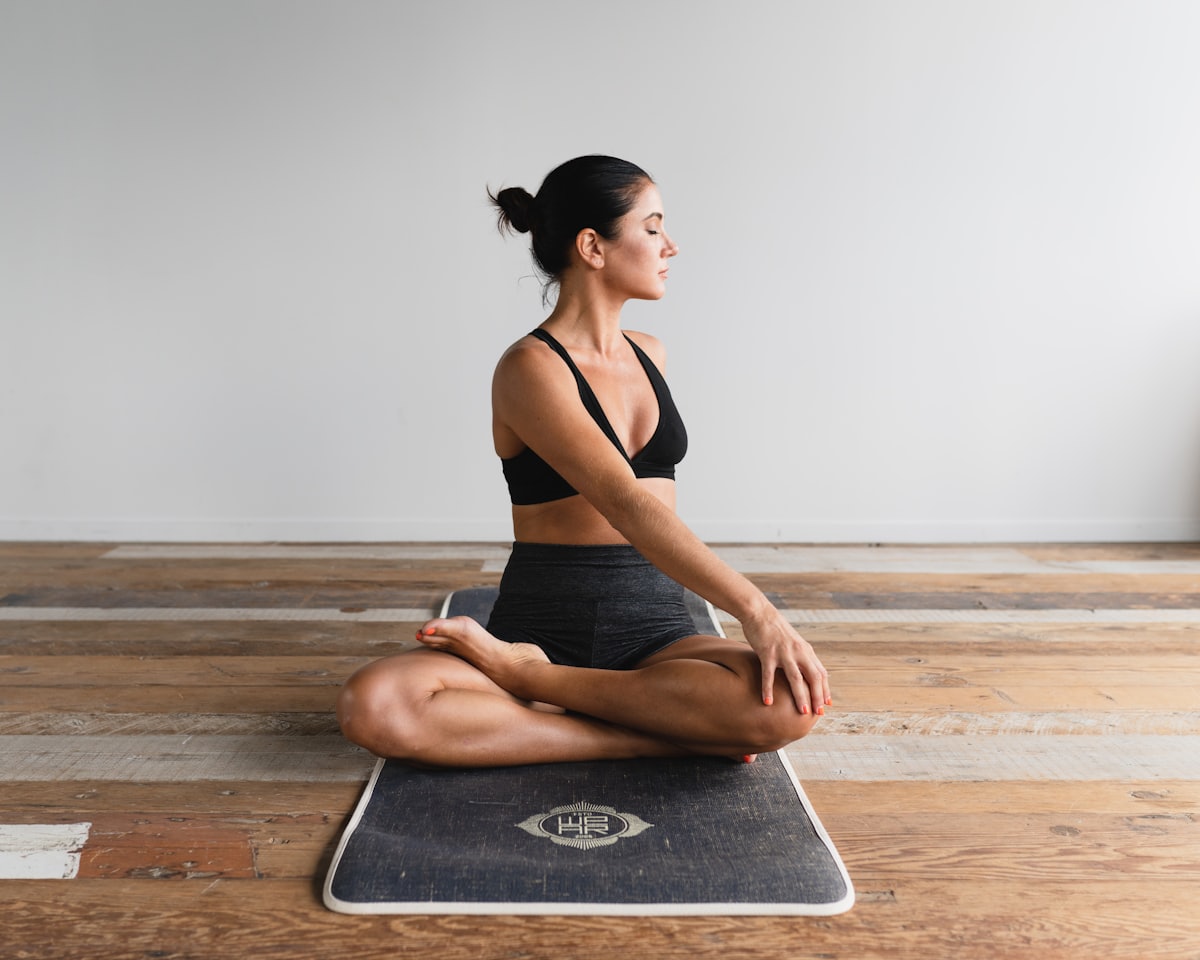
I own a yoga mat I bought after a very convincing class, and for two years its main job was holding the door open. Then it moved under the bed, and the eight minutes it now hosts most nights do more for my sleep than the sixty-minute class ever did. If you’re choosing between stretching and yoga as a wind-down, I’ll save you the comparison chart: the difference matters less than the internet thinks. The exercise and sleep guide puts both in the same slot of the evening, and this post is about picking the one that fits your actual nights.
Key takeaways
- Both gentle stretching and slow yoga have real evidence behind them for sleep onset and quality, so neither is the correct answer.
- The slot is the last hour before bed, eight to ten minutes, on a mat, under a dim lamp.
- Slow, unclenching movement tells your body the day’s work is over, and your body believes demonstrations more than declarations.
- Choose by what you’ll repeat: if poses with names relax you, do yoga, and if plain hamstring stretches sound better, do those.
- It fills the body slot of a wind-down routine, and it stacks with breathing tools rather than replacing them.
What the evidence actually says
Start with the comparison nobody wants to hear, because it ends the debate early. Trials on gentle evening movement, in older adults and in people with insomnia, found slower sleep onset and better sleep quality. Nothing dramatic. No incense required, no pretzel shapes, no studio membership. The research doesn’t split the prize between stretching and yoga, because from your nervous system’s point of view they’re the same move: slow, low-stakes physical activity in the final hour, with the lights already low.
That’s why the question “which is better” has a boring answer. The best exercise for your sleep is the one you’ll actually repeat, and consistency is where the benefits live. A ten-minute stretch you do most nights beats a beautiful flow you attempt twice and abandon, and the mechanism doesn’t care whether your mat time has Sanskrit names attached.
So the real question isn’t stretching versus yoga. It’s which shape of ten minutes you’ll keep.
What each one looks like in practice
My own version is the unglamorous one. I keep a mat under the bed, I don’t do poses worth posting, and the session is cat, cow, child’s pose, some hamstring thing, eight minutes under a dim lamp. It works as a ramp from vertical day to horizontal night, and on nights I do it, falling asleep tends to be less of a project. Skipping it isn’t a disaster, which is exactly why the habit survives, since nothing that punishes you for a missed night lasts long.
The yoga version differs mostly in packaging. If a sequence with a shape, a beginning and an end, and a teacher’s voice helps you stop deciding, yoga gives you that structure, and apps and videos abound. The one filter I’d apply: nothing that raises your heart rate or turns the session into a workout, because a vigorous practice belongs earlier in the day, where its timing rules are different. The wind-down version is the gentle one, and it should feel like an exhale, not an achievement.
Plain stretching suits people who find routines slightly oppressive. Hamstrings, neck, shoulders, jaw, the places your day actually tightened, held and released slowly. It’s less inspiring and equally effective, and nobody will ever see it.
Where it fits in the wind-down
Here’s the context that makes the ten minutes work harder. The wind-down hour has three kinds of slots, and the body slot is the one people most often leave empty, because relaxing isn’t an activity and your phone doesn’t count. Ten minutes of stretching fills it. So does a few slow poses on the bedroom floor while the house goes quiet, and the movement gives the hour a spine the screens were never going to provide.
It also stacks. If you already use the body scan or the long slow exhales from the racing-mind tools, stretching goes first: loosen the body, then lie down and give the mind its boring job. The tools were always on the same team, and yoga before bed covers the practice version in detail, while stretching before bed: does it help you sleep has the plain-stretch evidence. If your wind-down keeps collapsing, how to build a wind-down routine that sticks is the repair manual.
One honest limit to keep this from becoming a commercial. This is a ramp into sleep, not a treatment, and if falling asleep is a months-long project rather than an occasional negotiation, gentle movement alone won’t carry it, and the insomnia treatments a doctor can offer outperform everything on a mat. Also worth naming: if a pose hurts, that’s information, not discipline to push through, and pain in the last hour before bed helps nothing.
Frequently asked questions
Is stretching or yoga better before bed?
For sleep specifically, neither wins, because trials on gentle evening movement in older adults and people with insomnia found slower sleep onset and better sleep quality across both. The better one is the version you’ll repeat, since consistency is where the benefits live.
How long should an evening stretching or yoga session be?
Eight to ten minutes is plenty. It happens in the last hour before bed, on a mat, under a dim lamp, and the goal is slow unclenching movement, not a workout. Skipping it isn’t a disaster either.
What poses count as a wind-down yoga session?
The unphotographable ones: cat, cow, child’s pose, some hamstring work. Nothing that raises your heart rate or asks for balance, since the job is telling your body the day’s work is over.
Can yoga before bed actually help insomnia?
Trials found slower sleep onset and better sleep quality with gentle evening practice, and it plugs into the body slot of a wind-down routine. It’s a ramp into sleep, not a treatment on its own for chronic insomnia.
Should I stretch every night or only on tense days?
Nights you do it, falling asleep tends to be less of a project, so most nights is the honest answer. But it stacks neatly on other wind-down tools rather than replacing them, and a skipped night doesn’t break anything.
Choosing your version tonight
If you want a decision procedure, here’s mine. Ask what you’d rather do in dim light while half-undressed: follow something, or just move. Followers pick yoga, because a sequence removes every decision and the mind gets to coast. Improvisers pick stretching, because a routine with a teacher can feel like one more appointment in a day full of them. Both are right, and switching between them on different nights is also allowed, despite what habit purists say.
Set the mat out before dinner, because the version that lives under the bed is the version that doesn’t happen. Dim lamp, eight minutes, no poses worth posting, and let it be small. The whole movement chapter, naps included, is one chapter of the book, and the wind-down slot it feeds runs from page one to the last.
This guide is educational, not medical advice. If stretching causes pain or you have an injury, check with a doctor or physical therapist first.