Exercise, Naps & Sleep
Yoga Before Bed: A Wind-Down That Doesn't Demand Ambition
By Nora Vale · May 19, 2026 · 7 min read
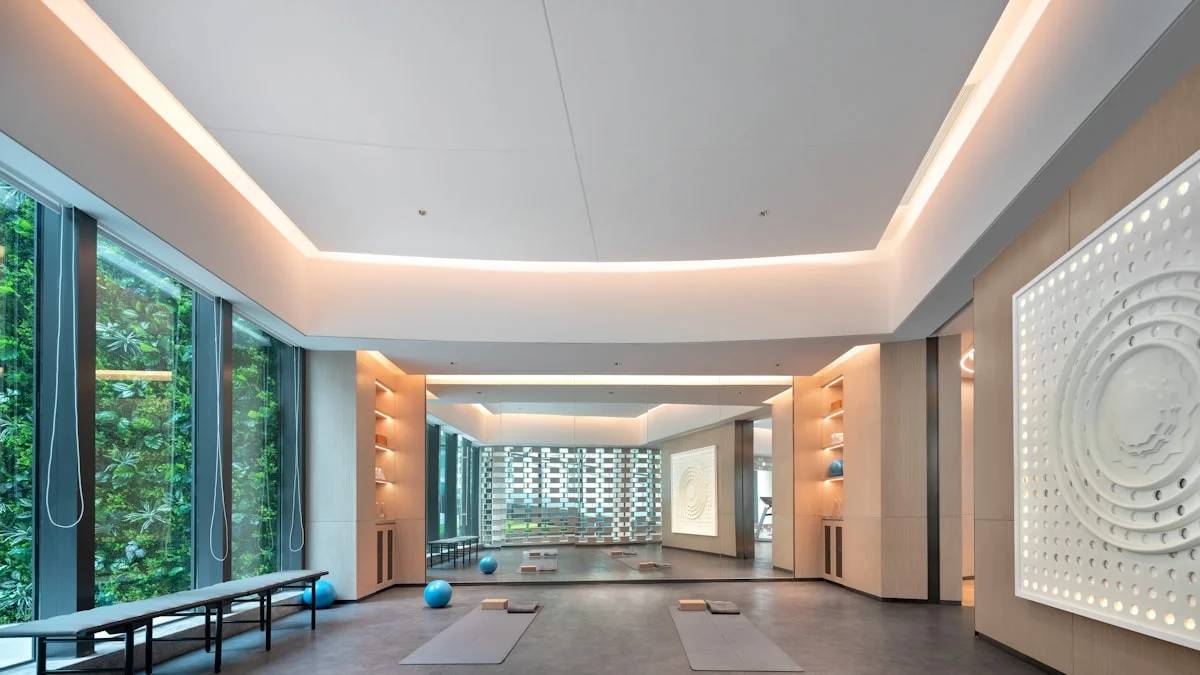
The mat lives under my bed, and for the first six months it lived there unbothered, because I’d decided bedtime yoga was for people with plants and linen closet organization systems. What changed my mind wasn’t enlightenment. It was a January night when I caught myself scrolling in the dark at 11:40, jaw somewhere around my ears, and thought: the day never actually ended, it just got horizontal. Eight minutes of slow stretching under a lamp turned out to be the period at the end of that sentence.
The honest framing up front: the evidence for yoga before bed is real and modest, and modest is exactly what a body slot should be. The full context sits in my exercise and sleep guide, and this post covers what the research does and doesn’t say, the eight-minute version that survived in my house, and the failure modes I’ve personally collected.
Key takeaways
- Gentle yoga or stretching in the last hour before bed shortened sleep onset and improved sleep quality in trials with older adults and people with insomnia.
- Eight to ten slow minutes is plenty. The point is unclenching, not fitness.
- The poses that work are boring on purpose: cat, cow, child’s pose, an easy hamstring stretch, all under a dim lamp.
- It plugs into the wind-down’s body slot, which most evenings leave empty.
- The first week feels pointless. Conditioning takes about two weeks, and most people quit inside the window.
What the evidence actually says
The claims here are smaller than the wellness industry’s, and that’s why I trust them. In trials with older adults, and separately with people who already had insomnia, regular gentle yoga or stretching shortened the road to sleep and improved the sleep that followed. Sleep researchers describe effects like that as modest, which I find refreshing rather than disappointing, because modest beats nothing, and it beats my old body slot, which was a fourth glass of wine on the couch.
The mechanism is closer to signaling than to exercise. Slow, unclenching movement tells your body the day’s work is over, and your body believes demonstrations more than it believes declarations. You can announce at nine that you’re relaxing while your shoulders stay up around your jaw, and nothing changes, because the stress system doesn’t accept announcements. It accepts evidence, in a format that is dull, physical, and genuinely boring to describe. That’s the product. The boredom is the feature.
This is also why bedtime yoga sits at the gentle end of the movement evidence, nowhere near the sleep-pressure machinery that daytime walking runs on. If you want the version of movement that builds actual sleep debt, the post on walking for better sleep covers it, and the two slot together cleanly: move more by day, unclench by night.
The eight-minute version that survived
My first attempt at this failed, and I’ll show you the wreckage because it’s instructive. I picked a journaling practice and a proper yoga sequence, ambitious items with ambition baked in, and both were gone inside a week. What survived was smaller, and it’s still running years later: a mat under the bed, a dim lamp, and eight minutes of poses nobody would post. Cat, cow, child’s pose, some hamstring thing I couldn’t name under oath. I don’t do poses worth posting, and that’s not a confession, it’s the design spec.
The shape of a session that works, in prose rather than a program, goes like this. After dinner, the big lights go off and lamps come on instead, which starts the slope before the mat does. Sometime in the last hour, teeth done and phone parked on the kitchen counter, you roll out the mat and work through floor-level stretches at the pace of pouring honey, exhaling longer than you inhale, ending in child’s pose for a slow count of ten breaths. Then bed. The whole thing costs less than one phone-scroll session you won’t remember anyway.
Where this plugs into the wider evening is the wind-down structure, which gives the last hour three slots: body, mind, and room. The body slot is the one people most often leave empty, because relaxing isn’t an activity and your phone doesn’t count, and ten minutes of stretching fills it exactly. The post on relaxation before bed that isn’t meditation lists the other candidates if stretching isn’t your shape, and the full three-slot template lives in the wind-down routine guide.
The failure modes, collected honestly
Three ways this dies, all of which I’ve personally tested. First, ambition: any session that needs a video, a sequence, or a new outfit has a lifespan of about a week, because the last hour of your day has no room for projects. Second, the wrong hour: stretching at nine with the kitchen lights blazing does half the work at best, so dim the house first and let the poses land on a body that’s already sloping toward bed. Third, impatience: the first stretch of a wind-down will feel pointless, and I’d rather you hear that from me than discover it alone on night four.
The conditioning timeline is the honest price tag. It takes about two weeks of running a routine that feels faintly silly before the routine starts running itself, and most people quit somewhere inside that window and announce that routines don’t work for them. Around day ten or twelve, something small shifts. You catch yourself yawning during the stretches. The lamp starts to feel like an invitation instead of a deadline. Skipping a night isn’t a disaster, but on the nights I do the eight minutes, falling asleep tends to be less of a project, and that’s the entire return on investment.
One boundary, said plainly. Gentle doesn’t mean safe for every body, and if you’re working around a back problem, a joint injury, or anything a doctor has opinions about, ask them which movements to skip before you ask the internet. That’s not a disclaimer reflex, it’s the difference between a wind-down and a new problem.
Frequently asked questions
Does yoga before bed actually help you sleep?
Modestly and reliably. Trials in older adults and in people with insomnia found slower sleep onset and better sleep quality with regular gentle yoga or stretching, which researchers themselves call a modest effect. In the last hour before bed, modest is precisely what you’re shopping for.
How long should a bedtime yoga session be?
Eight to ten minutes, inside the last hour before bed. It’s a ramp from vertical day to horizontal night, not a workout, and the shorter version is the one still running in my house years later while the ambitious version didn’t survive a week.
Which poses work best before sleep?
Slow, floor-level, unclenching ones: cat, cow, child’s pose, an easy hamstring stretch, all under a dim lamp. The rule is nothing that raises your heart rate or demands balance, because the session is a demonstration that the day is over.
What if stretching wakes me up instead of calming me down?
Slow it down, shrink it to three stretches, and dim the room further before you start. If it still fights you after an honest two weeks, the body slot takes other tenants, from a warm shower to slow breathing, and the wind-down menu has the full list.
Is bedtime yoga safe with back problems or an injury?
Ask your doctor or physical therapist first and let them mark what to skip, because gentle isn’t a medical clearance. Once you have the no-go list, the eight-minute format adapts to whatever range you’re working with.
The mat still lives under the bed, and most nights it earns its two square feet. Lamp on, phone in the kitchen, eight slow minutes, and the day finally signs its own closing paperwork.
This guide is educational, not medical advice. If sleep problems persist most nights for three months or more, a doctor is the right door.