Shift Work & Jet Lag
Sunglasses After Night Shift — Why It Works
By Nora Vale · April 23, 2026 · 7 min read
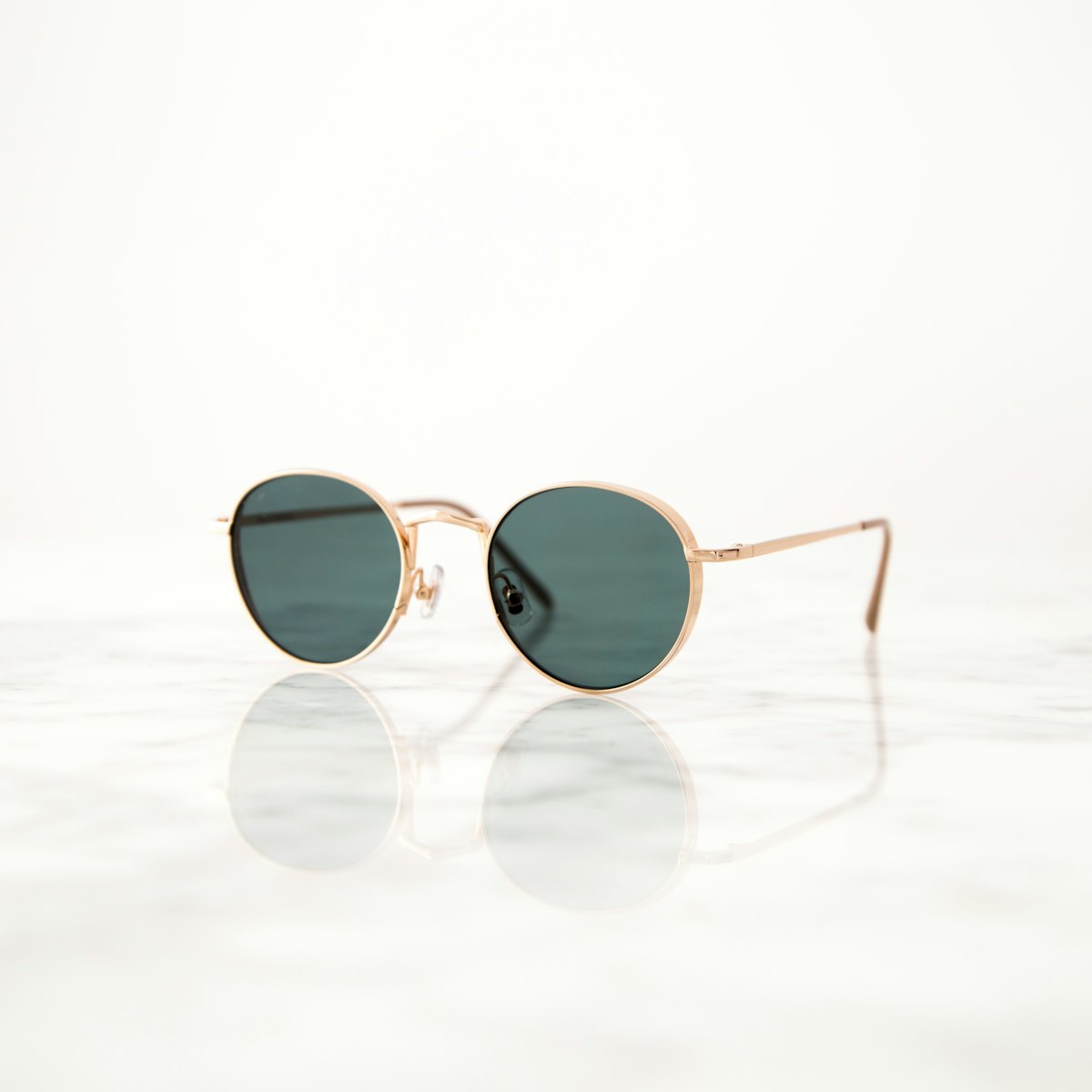
The first time I wore dark sunglasses home from a night shift, a neighbor I genuinely like looked at me and said, rough morning. I laughed, because it was 8:20, the sun was fully up, and I was walking home dressed like the evening I wished it still was. That’s exactly the point, and the reasoning behind sunglasses after night shift is less mysterious than it looks. It’s about one signal your brain trusts above nearly everything else.
Here’s the mechanism, plainly. Morning sunlight is the strongest “it’s daytime” signal your brain will accept, and your circadian clock takes its setting from when light reaches your eyes. A bright commute home at 8 in the morning tells your clock to wake up at the exact moment you need to crash. You’re not being dramatic. You’re declining a message your body is about to spend the next six hours acting on. This is all one piece of the wider shift work sleep guide, where light gets managed at both ends of the shift, not just the ride home.
Key takeaways
- Morning light is the strongest wake-up signal your brain accepts, and it arrives exactly when you need sleep.
- Dark sunglasses on the daylight commute block that message, a recommendation that comes straight from NIOSH’s shift-work training.
- Keep the dim run going after the commute: dim house, blackout bedroom, no sudden bright light at the door.
- Sunglasses are for daylight, not for driving in real darkness or heavy rain, where seeing the road wins.
- They’re one lever, not the plan. The anchor block and the dark room do the heavy lifting.
What the morning commute actually does to your clock
Your clock can’t see your calendar. It reads light. When photons hit your eyes at 8 a.m., the machinery concludes it’s morning and starts its daytime program, raising alerting signals and telling melatonin to stand down, which is precisely the opposite of what a person arriving home from a twelve wants to happen. The result is the classic broken day sleep: you get into bed wired, sleep comes late and shallow, and the deficit compounds across a run of shifts.
The official source for the fix is unglamorous. NIOSH’s training guidance for shift workers suggests wearing dark sunglasses on the ride home to block the message. “Yes, you’ll look odd. Nobody at the bus stop needs to understand your circadian rhythm.” I’ve worn them through bus stops, grocery runs, and one school pickup, and the only real cost so far has been small talk.
There’s a neat symmetry to the timing, too. On the job, the first half of the night should run in the brightest reasonable environment the building allows, because bright light early pushes your clock later, which is what a night schedule needs. Then dim. The last hour or two before home runs as dark as the job permits, because bright light at the wrong end of the shift quietly undoes what the first half built. The sunglasses simply extend that dim phase through the moment of maximum danger, sunrise.
How to actually run it
The whole thing is three moves. First, sunglasses on before the bright part of the commute, not after you’re already squinting. Second, keep the dim run alive at home, because the glasses on the bus are wasted if you then flood the kitchen with every light and scroll a bright screen in bed. Dim house, screens low, then a genuinely dark bedroom; the room itself is its own build, covered in the blackout bedroom for day sleep post. Third, protect visibility. In real darkness, heavy rain, or fog, the glasses come off, because seeing the road beats any protocol and the drive home after nights carries enough risk already.
A word on picking the pair, since I’ve been asked this at bus stops more than once. Wraparound shapes earn their keep, because light sneaks in from the sides of flat lenses and your retina doesn’t care where the photon entered. Dollar-store lenses that claim UV protection mostly claim it; the dimming is the part doing the circadian work here, so hold a pair up against a bright window and trust what your own eyes report. If the world still glows, keep shopping.
One honest note about what this can and can’t do. Sunglasses are a brake, not an engine. They stop the morning from actively wrecking your sleep, and they work best when the rest of the plan is standing behind them: an anchor sleep block at the same clock time every day, days off included, and a pre-shift nap of twenty to thirty minutes with an alarm set. If your day sleep is already falling apart, the glasses help, but the deeper fixes live in the how to sleep after a night shift post.
The cost, honestly stated
The plan’s weaknesses are small and worth naming. You’ll look strange, and if that bothers you more than four hours of broken sleep does, this tool loses, no shame in knowing yourself. Cheap glasses vary; a fashion tint that lets the world glow through is mostly decoration, so test a pair by whether the walk still feels like evening. And if your commute ends in true darkness in winter, skip them that day, because the trade flips and the road wins.
What it costs in money is nothing, and what it protects is the anchor. Pick a pair that actually darkens, put them on before the sun does its work, and keep the dim run going through your front door. It’s a small, ridiculous-looking habit that hands you back hours. I’ll take that trade every summer.
Frequently asked questions
Why wear sunglasses after a night shift?
Morning sunlight is the strongest it’s-daytime signal your brain accepts, and a bright commute home at 8 a.m. tells your clock to wake up at the exact moment you need to crash. Dark sunglasses block that message, which is why NIOSH’s shift-work training suggests them for the morning ride home.
Do I need special glasses or are cheap ones fine?
The goal is dimming, not style, so any dark pair that genuinely cuts daylight does the job. Very dark lenses outdoors in daylight are the point; a fashion tint that lets the world glow through is mostly decoration. You’ll know yours work if the walk still feels like evening.
Is it safe to wear sunglasses while driving?
In genuine daylight after a night shift, yes, visibility holds and the benefit outweighs the odd look. In real darkness, heavy rain, or fog, seeing the road beats any protocol, so take them off. The rule is daylight yes, actual darkness no.
How soon do I take them off after getting home?
Keep the dim run going. Sunglasses on the commute, then a dim, screen-light house, then a cave-dark bedroom. Each step keeps the it’s-nighttime message alive. Flipping on every light at the door hands the clock the wake-up call your glasses just refused.
Will sunglasses alone fix my day sleep?
No, and be suspicious of anything promising one fix. They’re one lever among several: an anchor sleep block, a blackout room, dim light at the end of the shift, and strategic naps do the heavy lifting. Sunglasses close the loop by protecting the progress the others made.
This guide is educational, not medical advice. If daytime sleep stays broken after weeks of honest effort, or sleepiness on the drive is getting worse, a sleep doctor is the right door.