Exercise, Naps & Sleep
The Sleep-Exercise Loop: How Each Improves the Other
By Nora Vale · June 22, 2025 · 7 min read
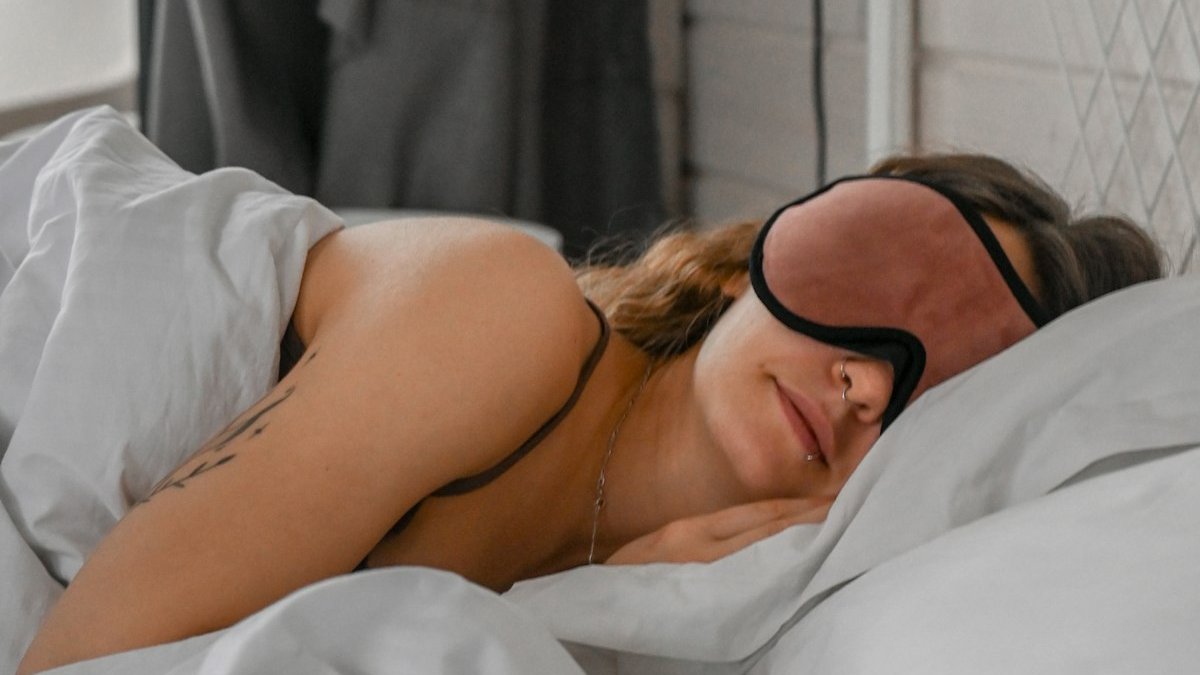
My worst sleep year was also my most sedentary one. I’d taken a job that paid more and asked exactly one thing of me: sitting. I sat in the car, sat through meetings, sat on the couch at night admiring how exhausted I was. Exhausted, yes, but exhausted like a drained battery rather than a worked muscle, and there’s a real difference your night notices even when your day didn’t. Nothing in me had been used up. My body lay down at eleven with nothing spent and no reason to power down. The full system for fixing that, naps and timing included, lives in the guide to exercise and sleep, and this post is about the loop that turned it around.
Key takeaways
- Sleep and exercise run a loop: movement builds the sleep pressure your brain spends at night, and deep sleep restores the energy tomorrow’s movement runs on.
- A body that spent nothing by evening has nothing to pay sleep with.
- People who move at all sleep better than people who don’t, and the jump from nothing to something is the biggest jump available.
- Even thirty minutes of moderate aerobic exercise improves sleep that same night, and light activity beats sitting still.
- The loop starts either end. Can’t face a walk tonight? Fix the sleep first and the walk gets easier by next week.
Why the loop runs in both directions
Start with the direction everyone argues about: exercise and sleep. Sleep pressure is the drowsy cargo you accumulate with every hour awake and unload while you sleep, and movement loads that cargo faster than sitting does. A body that spent nothing by evening has nothing to pay sleep with, which is why the drained-battery exhaustion of a desk day produces such unsatisfying nights.
The other direction gets less press, but it’s half the loop. A heavy night pays back the day’s energy account, so movement stops feeling like a withdrawal. Anyone who has tried to start an exercise habit on five broken nights of sleep knows exactly how that negotiation goes: the alarm wins, the walk loses, and the guilt compounds. Bad sleep doesn’t just miss out on exercise’s benefits. It actively deletes the energy that exercise spends.
That’s the loop. And loops are either vicious or virtuous, depending on which part you push first.
The good news hiding in the survey data
Here’s the part that surprised me, and it’s actually good. You don’t need a program, a gym, a wearable, or a personality transplant into the kind of person who says exercise is my therapy without flinching. The findings here are unusually consistent: people who move at all sleep better than people who don’t, and the jump from nothing to something is the biggest jump available.
The National Sleep Foundation’s Sleep in America surveys found that vigorous exercisers were about twice as likely as non-exercisers to say they rarely or never had trouble sleeping. That’s the headline. What interests me more is the fine print: light activity also beat sitting still, and moderate activity closed most of the gap that remained. The real line isn’t between casual exercise and serious exercise. It’s between moving and not moving.
Johns Hopkins Medicine frames it in terms I can use: even thirty minutes of moderate aerobic exercise measurably improves how you sleep that same night. Thirty minutes is a brisk walk after dinner, or a bike ride that doesn’t ask you to wear anything special. And it compounds, which means a boring walk repeated for a month beats a heroic workout attempted once and abandoned by Thursday.
What counts, and the myth that stops people from starting
The bar for “counts” is hilariously low. Taking stairs instead of the elevator counts. Hauling groceries from the far end of the parking lot counts. Forty-five minutes of yard work on a Saturday counts, and usually overcounts, if my lower back is any kind of credible witness, which it is. None of it looks like exercise. All of it is movement, and your sleep doesn’t check your outfit.
Now the myth, because it keeps people out of the loop entirely. You’ve probably absorbed some version of the rule: never exercise in the evening, or at least never after six, because it will wire you up and wreck your night. I believed it for years. It doesn’t hold up. The old three-hour rule has shown weak support when sleep researchers actually put it to the test, and when researchers tracked sleep stages instead of opinions, evening exercisers came out with more slow-wave sleep, the deep physical-repair kind, not less. Your evening run is not sabotage. The myth can retire with our thanks.
What survives scrutiny is narrower and more sensible: finish vigorous workouts one to two hours before bed, because core temperature and heart rate need time to come down. That’s a cooling-off period, not a curfew. If you want the full timing argument, the post on the best time to exercise for sleep runs the clock, and the piece on whether you can work out at night handles the evening case in detail.
Which end of the loop to push first
If your nights are merely mediocre and your days are sedentary, push the movement end. Thirty minutes of whatever moves you, at whatever hour your life permits. If your nights are already wrecked by something louder, like a phone that never docks or a wine habit doing its 2 a.m. accounting, fix that first, because no walk survives four hours of broken sleep. The post on why you sleep better on gym days shows what the movement end of the loop looks like once it’s turning.
One honest warning from the other side of the loop: chronic overtraining can burn the benefit back off, and if exercise starts wrecking your nights instead of building them, the dose is wrong, not the loop. The fix is a rest day, not a resignation.
And a word on what actually keeps the loop spinning, since motivation is a terrible scheduler: anchors work. Dumbbells between the kitchen and the television, a walk after dinner, a lunchtime lap around the boring parking lot. The habit that attaches to something you already do outlives the one that depends on feeling inspired. The after-dinner walk in particular earned its own section in my notes, and the post on after-dinner walks and deeper sleep explains why that specific twenty minutes carries so much of the loop.
The honest limits
Now the flaw, because I’d rather hand it to you than have you find it. The loop is slow on the first pass, and slow doesn’t sell. Improvements show up in the first weeks, but “first weeks” feels like a lifetime when you’re doing it, and nothing about a Tuesday walk announces itself as the thing that will fix your Thursday night. If you want a scoreboard sooner than your body can deliver one, you’ll quit and blame the method.
There’s also a ceiling on what movement can carry alone. If your sleep is broken by apnea, by three months of insomnia, or by a stimulant habit running past dinner, the walk helps at the margins and the real problem sits elsewhere. Movement is the most underrated tool in the book and the one nobody sells, because you can’t put a walk in a box and charge monthly for it. Underrated is not the same as sufficient.
Frequently asked questions
What is the sleep exercise loop?
It’s the two-way street between movement and sleep. Moving during the day builds the sleep pressure your brain spends at night, and a deeper night restores the energy that makes tomorrow’s movement possible. Each half improves the other, and the loop can start turning from either end.
How much exercise do I need for better sleep?
Less than you’d think. Even thirty minutes of moderate aerobic exercise measurably improves how you sleep that same night, and light activity beats sitting still. The real line is between moving and not moving, not between casual and serious.
How long does it take to feel the effect?
Improvements in sleep onset and quality show up in the first weeks of a new routine, while you’re still slow, sweaty, and unimpressive. Your sleep responds to the doing, not the finishing.
Does better sleep actually make exercise easier?
Yes, though nobody sells that direction. A heavy night pays back the day’s energy account, so the walk you skipped last month becomes the walk you take without negotiating once your nights have been holding up.
What’s the best exercise for sleep?
The one you’ll repeat. Strength training and aerobic exercise show similar benefits in the research, and consistency is where the benefits live, which makes the theoretically optimal choice mostly irrelevant by Thursday.
If you want the whole loop, naps, timing, and the thirty-day version, it’s in Sleep, Finally. Take the walk today. The night will countersign by Friday.
This guide is educational, not medical advice. If exhaustion sticks around no matter how much you move or sleep, a doctor is the right door.