Exercise, Naps & Sleep
Why Do I Sleep Better on Gym Days?
By Nora Vale · May 22, 2026 · 7 min read
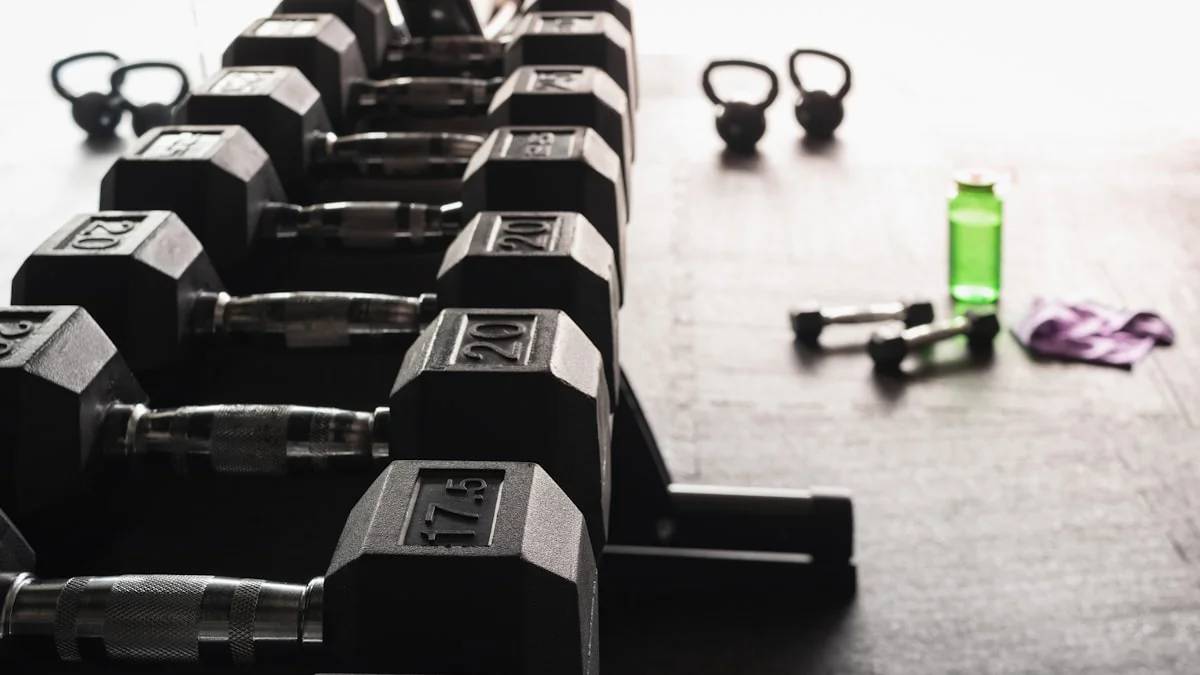
Tuesday nights, after the garage dumbbells, I’m asleep before the chapter ends. Thursday nights, the desk-bound ones, I’m inspecting the ceiling at midnight wondering what’s wrong with me. Same bedtime, same bedroom, same person. Nothing about the two days differs except whether my body got used, and that difference turns out to be the whole answer to why you sleep better on gym days.
I didn’t figure this out from a study. I figured it out from two Tuesdays in a row of better nights, then went looking for the mechanism and found it had a name. The wide map of movement and naps lives in the exercise and sleep guide; this post stays on the gym-day question, because once you see the mechanism, the pattern stops looking like luck.
Key takeaways
- Sleep pressure is the drowsy fuel that builds every hour you’re awake, faster when your body actually does things, and drains while you sleep.
- A sedentary day leaves you drained-battery tired instead of worked-muscle tired, and your night can tell the difference even when your day didn’t.
- The evidence is blunt: people who move at all sleep better than people who don’t, and thirty minutes of moderate movement helps that same night.
- You can run a simple six-day experiment on yourself and watch the gym-day effect show up in your own log.
The mechanism: sleep pressure, the currency your night runs on
Sleep pressure is the drowsy fuel that builds in your brain every hour you’re awake, and it drains while you sleep. The fill rate isn’t fixed. Movement raises it. Sitting all day throttles it. “A body that spent nothing by evening has nothing to pay sleep with,” which is the cleanest one-line explanation of the gym-day effect I’ve ever found, and I’ve tested it against enough Thursdays to stop doubting it.
Here’s the distinction I kept missing for years. There are two kinds of tired, and they look identical from the couch. One is exhausted like a drained battery, the standby kind a sitting day produces. The other is exhausted like a worked muscle, the spent kind that comes from use. Your day notices neither difference. Your night files them under completely different accounts, because the worked muscle hands sleep an actual invoice: repair this, refill that, dim the lights and start the overnight maintenance. The drained battery files nothing, and lying very still in the dark doesn’t manufacture the missing debt.
That’s why gym days pay. Not because exercise is a treatment, but because it spends the exact currency sleep is denominated in. The workout doesn’t help your night; it gives your night something to do.
What the research actually shows
The findings here are unusually consistent, which in this field counts as a small miracle. The National Sleep Foundation’s Sleep in America surveys found that vigorous exercisers were about twice as likely as non-exercisers to say they rarely or never had trouble sleeping. That’s the headline, and it flatters the gym. The fine print underneath is kinder to everyone else: light activity also beat sitting still, and moderate activity closed most of the remaining gap. The real line was never between casual exercise and serious training. It’s between moving and not moving.
Johns Hopkins Medicine puts a number on the dose: even thirty minutes of moderate aerobic exercise measurably improves how you sleep that same night. Thirty minutes, not a training block. That’s a brisk walk after dinner or a bike ride that asks nothing special of you, and it compounds, so a boring walk repeated for a month beats one heroic workout abandoned by Thursday. Nobody can put a walk in a box and charge monthly for it, which is probably why this finding travels so slowly.
And if you’re starting tonight, wondering whether the benefit is years away: the trials say it shows up in the first weeks of a new routine, while you’re still slow, sweaty, and unimpressive, which describes every beginning I’ve ever had. “Your sleep responds to the doing, not the finishing.” The gym-day effect isn’t a reward for fitness. It’s a receipt for the day’s spending.
Dave, and the twenty-minute version
Dave is a data analyst, which is a polite way of saying his body lives folded into a chair. Every afternoon had the same shape: around two forty his eyes went to sandpaper, and he’d drift to the break room for a coffee he didn’t particularly taste. He assumed the slump meant he needed a stronger stimulant. It mostly meant he’d been still for five straight hours.
A colleague dared him into a twenty-minute walk at lunch, outside, around the parking lot’s most boring loop, phone left on the desk. The first week he did it out of politeness. By the second, the two-forty wall had softened into a slope he could roll over instead of crash into, and by the third the vending machine visit had stopped happening on its own. Then came the part nobody predicted, including Dave. “He slept harder on days he walked, same bedtime, same everything else.” Twenty minutes of locomotion bolted onto the middle of the day changed his nights, and his shoulders stopped feeling like desk equipment by evening.
If twenty unglamorous minutes can do that, the threshold is lower than you think, and walking for better sleep makes the whole case for the least equipment-intensive version. If your question is whether the evening slot ruins it, can I work out at night buries that myth properly; the short version is that the old three-hour rule barely survives testing.
Run the experiment on yourself
You don’t have to take any of this on faith, and honestly, you shouldn’t, because the effect is easy to feel and easier to log. Here’s the version I use, adapted from the nap experiment in the book’s appendix.
Pick a week with a predictable shape. Days one through three, keep your usual movement, whatever that is, and note what time you fell asleep and whether you woke in the night. Days four through six, stop moving entirely, the pure-sitting version, and note the same two things. Bedtime and two in the morning are the columns that matter. Patterns show up faster than you’d expect. In my own logs the difference is usually undeniable by the second sedentary night: the buzzing legs at lights-out, the ceiling inspection, the morning that starts a half-step behind.
Two cautions before you run it. First, don’t judge on one night; sleep is lagging data, and a single Friday proves nothing in either direction. Second, don’t overcorrect. More is not endlessly better, and chronic overtraining, where hard sessions stack without recovery, can push sleep the other way. If your nights got worse after your training got serious, load is a reasonable suspect. The dose that helps is the dose a normal week can carry, and the details of scheduling live in best time to exercise for sleep.
There’s also a ceiling on what gym days can rescue. If your sleep is broken for reasons a workout can’t touch, the worry journal, the 3 a.m. wake-up, the bedroom that’s too warm, movement helps the foundation, not the wiring. It’s a supplement, not a system.
Frequently asked questions
Why do I sleep better on days I exercise?
Because movement raises the fill rate of sleep pressure, the drowsy fuel your brain collects every waking hour and drains at night. A training day spends more of it than a still day, so the night arrives with more debt to clear, and deeper sleep is what clearing looks like. A still day leaves the tank full of awake and empty of spent, which is exactly the restless arrangement you’d predict.
Does it have to be a hard workout, or does walking count?
Walking counts, and it’s the version I’d bet on for most people. Light activity beat sitting still in the National Sleep Foundation surveys, and Johns Hopkins Medicine reports that thirty minutes of moderate aerobic exercise improves sleep that same night. Your sleep doesn’t check your outfit.
How fast will I notice the difference on gym days?
Most people see it within the first two weeks of a new routine, while they’re still slow and unimpressive. Your sleep responds to the doing, not the finishing, so fitness isn’t the ticket. Repetition is. Two weeks and a log give you a verdict worth trusting; two nights give you a mood.
Can I test whether exercise is really what’s helping my sleep?
Yes, and it takes six days. Three days with your usual movement, three without, noting bedtime and any two-in-the-morning wakings, with a proper log if you like columns. The pattern usually announces itself by the second sedentary night, and it’s more convincing than anything I could write here.
The gym-day effect isn’t magic and it isn’t luck; it’s arithmetic your body has been running all along. Spend something by evening, and your night finally has something to work with. Thursday can wait until you’ve walked.
This guide is educational, not medical advice. If sleep problems persist for months despite sane evenings, see a doctor.