Stress & Cortisol
What Worry Does to the Cortisol Curve
By Nora Vale · September 22, 2025 · 7 min read
The wellness industry has spent a decade selling me a villain, and for most of that decade I bought retail: a supplement shelf’s worth of products aimed at lowering my cortisol, as if the hormone were a household pest. What nobody mentioned is that the hormone has a day job, a fixed shift, and a shape, and that my actual problem wasn’t the hormone at all. It was what worry did to its schedule. Once I saw the curve, the whole tired-but-wired decade reorganized itself into a map. The full picture is in the guide to stress and sleep, and this post draws the curve itself.
Key takeaways
- A healthy cortisol day is a hill: midnight floor, morning spike thirty to forty-five minutes after waking, long afternoon slide.
- Worry doesn’t raise the spike. It flattens the rest of the curve into a plateau from mid-morning to late evening.
- The plateau removes the arousal floor sleep needs, which is why eleven at night can feel like nine in the morning.
- The morning spike is normal and helpful. The problem is what constant worry does to the rest of the curve.
The hill you’re supposed to have
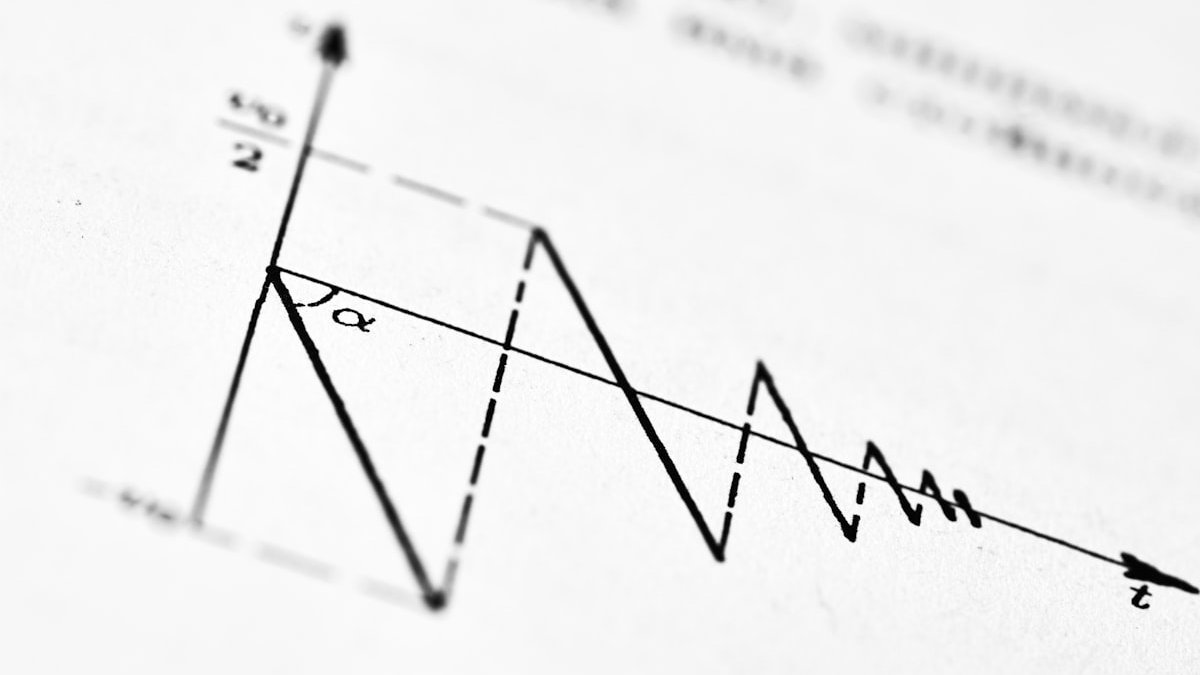
The shape is worth drawing plainly, because most of what’s sold about cortisol assumes you’ve never seen it. The hormone is made by two small glands perched on top of your kidneys, and its daily shift is fixed: lowest around midnight, starting to climb in the last hours of sleep before you’re even awake, then a spike thirty to forty-five minutes after you get up, a surge researchers call the cortisol awakening response. Measured in saliva, that spike jumps roughly 38 to 75 percent within the first half hour of the day.
After the spike, the level slides downhill for the rest of the day, arriving back at its floor around midnight, right where it started. High morning, low night. That’s the design, and it’s a good one, and I want that sentence to survive contact with the supplement aisle.
The morning spike deserves its defense, because it takes the blame for everything. It mobilizes fuel, sharpens attention, and gets you vertical and civil in time for your first conversation of the day. Without it you’d wake feeling the way you feel on the worst afternoon of a stomach flu, which nobody wants. Its timing moves with your wake time, too, which means the spike belongs to your body clock rather than to the sun. The spike was never the villain. Hold that thought for two paragraphs.
What every worry does to the shape
Underneath the curve sits a circuit researchers call the stress axis, and its whole job is deciding whether today counts as an emergency. Here’s the part that took me years to understand: worry is a vote. Not the big worries. All of them. Rerunning a parking-lot comment at dinner is a vote. Rehearsing a difficult email in the shower is a vote. Checking the school portal for the third time is a vote.
Each vote releases a small pulse of cortisol, and none of the pulses is anywhere near flood level, which is exactly why you’d honestly tell me your days aren’t stressful. You’d be right, by every measure you have access to. There was no emergency. There was a Tuesday. But the votes compound, pulse on pulse, hour after hour, into an idle that sits higher than it should for years if nothing interrupts it.
The visible result is the evening that stops sliding. The hill flattens into a plateau that runs from nine in the morning to eleven at night, the midnight floor rises a little, and eleven o’clock arrives carrying chemistry that ten hours earlier would have passed for nine a.m. The person it belongs to was running six hours stale at midnight and still fully staffed. The day ended. The chemistry was never told.
Why the plateau costs you the night
Here’s the direct line from the flattened curve to the wrecked evening, because the connection deserves more than a shrug. Sleep requires an arousal floor low enough for drowsiness to register on. The midnight floor of a healthy curve is so low that sleep pressure, the drowsy cargo you banked all day, can actually tip you over into sleep. The plateau raises that floor, and the tipping never happens. You’re not failing to relax at eleven. The instrument that registers relaxation is pinned above its threshold by chemistry that should have gone home.
This is also why the evening’s honest efforts feel powerless. The wind-down, the dark room, the boring book, all real and all correct, are one quiet hour arguing against a day of accumulated votes. The arithmetic is bad, and knowing the arithmetic is what moves the work upstream, where the votes are actually cast. The curve you have at midnight was drawn mostly between nine in the morning and six in the evening.
One practical corollary worth its own sentence: caffeine and cortisol push in the same direction, so an afternoon coffee lands on an already-elevated baseline on hard days and extends the plateau’s reach. That’s why the cutoff matters most on the worst days, which is backwards from how it feels. The full arithmetic is in coffee on stressful days: when to cut yourself off.
What restores the slope
The curve comes back, and it comes back the way it went in, slowly and through small repeated inputs. The lever with the best evidence is scheduled worry time: fifteen to twenty minutes in the early evening, same time, same chair, paper, worries on the left and one concrete next step on the right, run daily. The window converts open loops, the raw material of votes, into appointments, and appointments stop casting. Clinicians who use scheduled worry time within CBT-I report the interruptions thin out within a couple of weeks, and the setup is in scheduled worry time: how it improves sleep.
The supporting lever is physical, because the axis doesn’t accept announcements, only evidence. Dull, low-stakes tasks with an obvious ending between the workday and bed: a walk around the block, a shower without a phone, folding laundry with the radio on. Each one is a small certified proof that the day’s emergencies ended, and proofs are what the floor needs to come back down. The evening menu is in 9 evening habits that lower cortisol before bed.
Two to three weeks is the honest minimum before you’re entitled to judge the levers. The plateau took months to flatten, and it doesn’t re-steepen overnight. What you’ll notice first is not a number but a sensation: eleven o’clock starts arriving with slightly less staff, and the walk from the couch to the bed stops feeling like a shift change.
Honest limits
Where the model runs out, because the curve is a model and models compress. The saliva numbers and the hill shape describe population patterns, not a diagnosis you can run on yourself, and no home test tells you your curve. Some flattened evenings aren’t cortisol at all: alcohol, late screens, an irregular schedule, and thyroid or hormonal issues all produce tired-but-wired evenings wearing the same costume. If wrecked nights run three or more a week for three months regardless of what your days contained, that’s the standing border of this cluster, and the appointment matters more than the model. CBT-I is the first-line treatment for chronic insomnia, and the physical red flags are checked off in signs of sleep apnea.
And the honest ceiling of the levers themselves: they lower the evening’s floor so sleep can reach it, and they do that reliably. They don’t delete the stressors casting the votes, and for the votes cast by people you love, no lever should promise to. The goal was never a lighter load. The goal is keeping the load out of the mattress, and on the weeks the mattress loses anyway, the plan is one anchor, the wake time, defended perfectly while everything else grades pass-fail.
This guide is educational, not medical advice. If sleep trouble persists most nights for months, a doctor is the right door, not a better hormone model.
The full system behind this post, the worry window, the downshift, and the honest limits of self-help, is in the book.
Frequently asked questions
What does a healthy cortisol curve look like?
A hill. Lowest around midnight, climbing in the last hours of sleep, spiking thirty to forty-five minutes after waking, then sliding all day back to its floor by nightfall. High morning, low night, and the design is good.
How exactly does worry change the curve?
Vote by vote. Every small worry releases a small cortisol pulse, none near flood level, and the pulses compound into an idle that sits higher than it should. The healthy hill flattens into a plateau that runs from mid-morning to late evening.
Why does a flattened curve wreck sleep specifically?
Sleep needs an arousal floor low enough for drowsiness to register on, and the plateau raises that floor. At eleven you’re not failing to relax. The instrument that registers relaxation is pinned above its threshold by chemistry that should have gone home.
Can the curve recover, and how long does it take?
Slowly, through the same kind of inputs that flattened it. Two to three weeks of daily scheduled worry time and evening physical downshifts is the honest minimum before you can judge whether the levers are working for you.
Is morning cortisol a problem I should lower?
No, and the supplement aisle has it backwards. The morning spike mobilizes fuel and sharpens attention, and its timing tracks your wake time. The problem was never the spike. The problem is what constant worry does to the rest of the curve.