Screens & Sleep
Where to Charge Your Phone So It Never Reaches Bed
By Nora Vale · June 24, 2026 · 7 min read
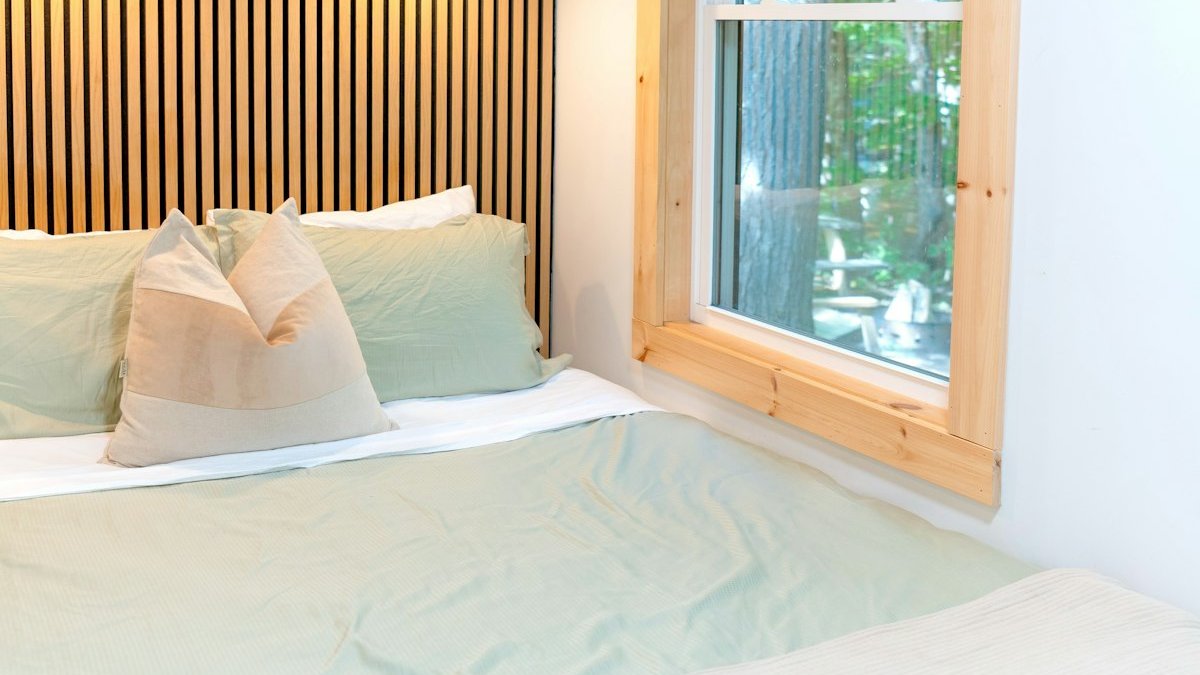
For three years my phone charged on the nightstand, six inches from my pillow, because it was my alarm clock and nobody ever questions the alarm clock. I told myself I would glance. That was a lie I told nightly, and it kept working right up until the nights I did the math and found the glance was eating nearly an hour. Where you charge your phone so it never reaches bed sounds like a furniture question, and it’s actually the whole custody arrangement for your evening, with the case made in full in the screens and sleep guide.
Key takeaways
- The best charging spot is anywhere that isn’t your nightstand: kitchen counter, hallway shelf, bathroom, out of arm’s reach and out of sight from the bed.
- The move works because distance does what do-not-disturb never could. The feed can’t whisper from the kitchen.
- Decide at nine where the phone sleeps, and the eleven o’clock version of you never gets a vote.
- A ten-dollar alarm clock retires the objection that keeps the phone at the bedside.
- If the phone is a lifeline, plan the exception: two names through, ringer up, phone in the hallway.
Why the charging spot is the whole rule
Here’s the frame that made this click for me: the phone is two thieves working together, light and content, and the charging spot is the one move that fires both from the bedroom at once. Dock the phone and you’ve moved the light source out of pillow range and retired the job for the night, all in one motion, and unlike most things sold for sleep this one never needs a firmware update. The room that contains no phone turns out to be a room where a tired person can finish the thought called sleeping, because nothing in it is asking questions.
The mechanics of why distance works are worth one honest paragraph. A phone within reach during the wind-down is just a feed with a delay on it, and no wind-down survives one. The point isn’t discipline, it’s distance: the “one quick check” that becomes forty-five minutes can’t happen from across the house. Every defense that operates on the device itself, the night mode, the screen-time limits, the app timers, is a negotiation you have to win while holding the machine. Distance ends the negotiation by not attending it.
And there’s a bonus that doesn’t show up until later. Somewhere around week two of the kitchen-counter life, you’ll wake at some dark hour and reach out of habit, and your hand will close on nothing. That nothing is the whole trick, because the worst possible company at 3 a.m. is a feed, and the phone can’t whisper to you from the kitchen. Distance does what do-not-disturb never could.
Choosing the spot, and choosing the hour
The spot itself is forgiving. Kitchen counter, hallway shelf, bathroom, anywhere out of arm’s reach and out of sight from the bed, ideally on a different floor or at minimum in a different room with a closed door between you. Mine lives on the kitchen counter, plugged in beside the fruit bowl, and the domestic detail is doing real work: the phone has an address now, and addresses hold. What matters is that the spot is far enough that checking requires shoes, and boring enough that the walk isn’t tempted by anything else.
The hour matters more than the spot. The phone goes to its outlet when the wind-down starts, not later when I’m already in bed negotiating with myself, because that detail matters more than it looks. Decisions made at 11 p.m., phone already warm in your hand, resolve about as reliably as decisions to have one more drink. Decide at nine where the phone sleeps, and the eleven o’clock version of you never gets a vote. If the full move feels like too much right now, charging it across the room is an honest first step, and I’d rather see you take the stair-step than admire the complete version from the couch.
One logistics note, learned the hard way in a house with other people in it: announce the change before it happens. My husband spent the first two evenings thinking I was angry at him, because I’d stopped arriving in bed trailing commentary from the internet, and he only relaxed when I explained that the phone now lived with the colander. Tell the house. A rule nobody explained reads as a mood, and moods get negotiated with at midnight.
The alarm clock objection, retired
The usual objection is the alarm, and it deserves the straight answer it always gets. A phone that’s only an alarm is a phone that never gets checked, and nobody owns one of those; the alarm lives inside the casino, one unlock away from everything. “A ten-dollar clock does one job. It can’t do anything else.” That single-feature limitation is the feature, because the clock can’t open a feed, check a score, or read you the news while you’re waiting for it to ring. If you fall asleep to audio, a clock radio with a sleep timer covers that too, with no feed attached.
Expect the first few nights to feel strange, like part of your hand is missing. You’ll reach for the nightstand around 10:15 out of pure reflex and find a lamp. Sit with that. Mine took about four nights to stop reaching, and what showed up on the other side were the drowsiest evenings I’d had in years, which is the trade running exactly as designed. The bed gets boring, and boring is the on-ramp to sleep.
And the hole the phone leaves behind is real, so fill it on purpose. The scrolling slot doesn’t vanish, it empties, and an empty slot with nothing planned is how the phone gets rehired. One thing for the body, one thing for the mind, one thing for the room, in the same order most nights. The feed will still exist at 7 a.m. Your sleep window won’t.
The exception, planned
For plenty of people the phone isn’t primarily a feed at night; it’s the only live connection to other humans. A sister three time zones away whose daytime is your midnight. A partner on the road. A group chat that only gets good after ten. That’s real, and a bare docking rule will lose to the thing the rule ignores, and it should, because the rule solved the wrong problem.
What works instead is a replacement, planned in advance instead of improvised at 10:30. Move the good part of the conversation earlier and say so out loud; “I’m gone after ten” is a sentence adults are allowed to send. Most phones can be told to let exactly two names through after a set hour, which keeps the lifeline and kills the feed. The phone can sleep in the hallway with the ringer up, close enough for a genuine emergency, far enough that the feed needs shoes. A rule you keep beats a rule you admire, and the keepable version of this one is the one that knows what the phone is actually giving you at night.
Frequently asked questions
Where should I charge my phone at night?
Anywhere that isn’t your nightstand: the kitchen counter, a hallway shelf, the bathroom, ideally a different room with a closed door between you and it. It goes there when the wind-down starts, not later, because the eleven o’clock version of you shouldn’t get a vote.
Why does the charging location matter so much?
Because distance is the only defense that survives midnight. The one quick check that becomes forty-five minutes can’t happen from across the house, and a bedroom with no feed in it is a room where a tired person can actually finish falling asleep.
What do I do about the alarm clock problem?
Buy a ten-dollar clock and let it have the job. A phone that’s only an alarm is a phone that never gets checked, which is why nobody owns one, and a clock’s inability to do anything else is precisely what makes it better at the one thing it does.
My phone is my lifeline at night. Do I have to follow the rule?
Plan the exception instead of abandoning the rule. Move the good conversation earlier, allow two names through after a set hour, and give the phone the hallway with the ringer up. The lifeline survives, the feed doesn’t, and the rule becomes one you actually keep.
How long until charging it elsewhere feels normal?
A few nights of reaching for a lamp instead of a phone, and mine took about four. The drowsier evenings on the other side arrive around week two, along with the dark-hour moment when your hand closes on nothing and that nothing turns out to be the whole trick.
If you want the full case for docking the phone, evidence and all, it’s in Sleep, Finally. The feed will wait at seven. The sleep window won’t.
This guide is educational, not medical advice. If sleep stays out of reach no matter where the phone charges, a doctor is the right next stop.