Hormones & Sleep
Why Hot Flashes Get Worse After Dark
By Nora Vale · November 26, 2025 · 7 min read
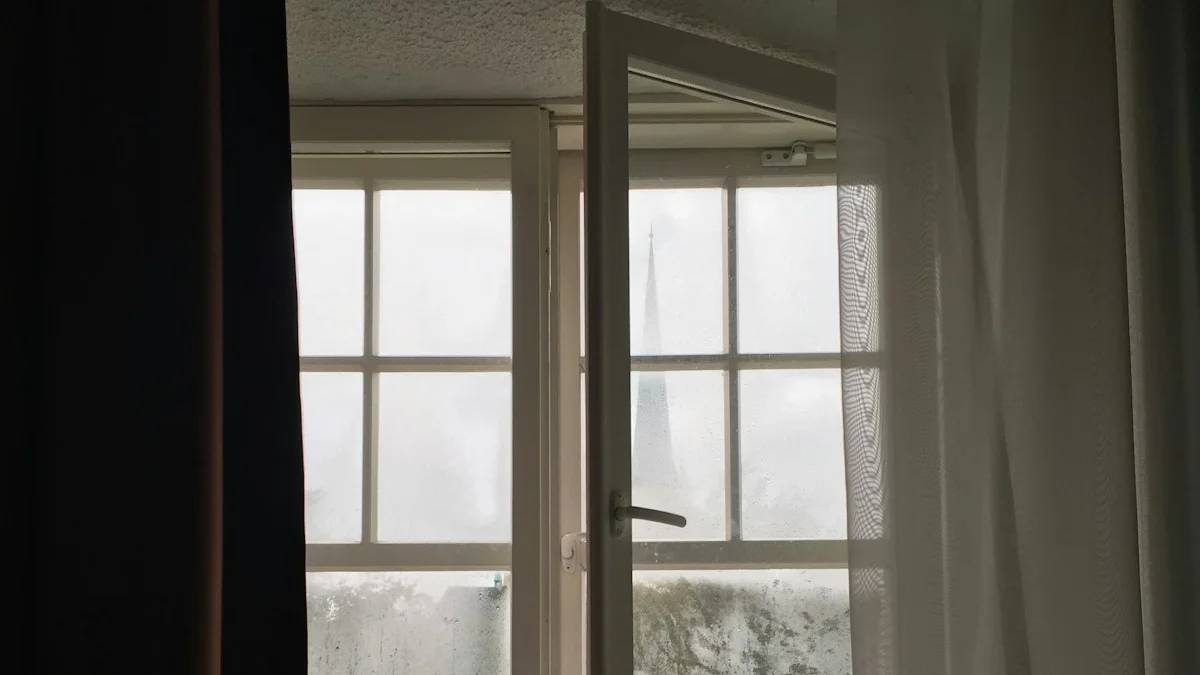
It’s 2:20 in the morning and I’m standing in front of the open freezer holding a bag of frozen edamame against my sternum, doing the arithmetic. Two hours of sleep left if I’m back under the covers now. One and a half if I make it by 2:30. That math is the real thief, and it runs while your skin cools, which is how a five-minute body event becomes a two-hour waking.
If hot flashes own your nights, I’ve been in that kitchen, and the piece I was missing for a season was that the heat is only half the event. The full hormonal picture is in my guide to hormones and sleep. This post is the night-shift version: why flashes get worse after dark, and the cooling playbook that gives you back the hour after the flash ends.
Key takeaways
- A flash works like an alarm you never set: core temperature surges, the body dumps heat, and you surface completely.
- The flash lasts minutes. The wake-up can cost an hour, and the worry finishes what the heat started.
- The cooling playbook is cheap: cool room, layered bedding, a fan, wicking sleepwear, and a cold pack within reach.
- A fourteen-day trigger log finds your personal patterns, because memory rounds off Tuesdays.
- Tactics shrink the number of flashes. They don’t erase them, and knowing that limit is part of the method.
Why nighttime flashes cost more than daytime ones
The mechanics don’t actually change after dark. A flash is an alarm you never set: your core temperature surges, your body dumps heat through skin and sweat, and the emergency pulls you all the way to the surface. What changes is everything wrapped around the event. During the day a flash interrupts, you fan yourself, the meeting continues, and the event shrinks back to a nuisance. At 2 a.m. there is nothing between you and the heat, no distraction to hand the alarm back to, and the wake-up that follows has the whole dark room to expand into.
Large cohort studies that followed thousands of women through the menopause transition found that roughly 40 to 60 percent report sleep problems during it, most of them tied to hot flashes and night sweats, which makes the problem common and also not universal. If you sail through untouched, that’s a perfectly ordinary outcome too.
The second half of the event is the one nobody warns you about. “The heat starts it. The worry finishes it.” Once your skin starts to cool, the mind starts counting: hours until the alarm, how tomorrow will feel, whether tonight will repeat. That inventory feels urgent and none of it is the reason you woke. The part of you that handles the 3 a.m. static is the same one I arm in the racing mind at night guide, and the boring-job tools there work on flash-nights too, once the body is cooling.
The cooling playbook
The gear list is small and mostly cheap, which is how you know it’s honest. None of it is exotic, all of it is testable, and every piece exists because of one line of the biology: your body needs to shed heat to stay asleep.
- Cool the room, bottom of the range. The commonly cited sweet spot for sleep is 65 to 68 degrees, and in this season of life you want the bottom of it. Drop the thermostat a couple of degrees lower than feels reasonable to your partner, who can wear socks.
- Layer the bedding with exits. A duvet you can throw off in stages, a lighter blanket beneath, one foot out first. The goal is a bed you can vent quickly without fully waking, not a bed you have to remake at 3 a.m.
- A fan within arm’s reach. A fan earns its place twice over: moving air across your skin so sweat can do its job, and laying down a steady sound that masks the small noises that would otherwise finish waking you. Some women run one all night, others switch it on the moment heat starts rising, a kind of fire extinguisher for flushes.
- Moisture-wicking sleepwear. It sounds like marketing copy, and I rolled my eyes at it too, then bought the second set. Synthetic or merino, not cotton, which holds sweat against you and then chills you. A cold pack in a towel, kept at the bedside for wrists and the back of the neck, is the zero-dollar companion piece.
- A warm shower one to two hours before bed. This sounds backwards and isn’t: warm water pulls blood toward the skin, you step out, and the escaping heat drags your core temperature down, which is a sleep signal. It won’t stop a flash, but it starts the night from a lower baseline.
Cooling is also the whole strategy in night sweats cooling tips, which goes deeper on the 2 a.m. recovery side of the same playbook.
The trigger log: two weeks, one line a morning
The strongest tool in this chapter isn’t gear, it’s a notebook. Christine, forty-seven, spent six months doing detective work from memory and concluded she had no pattern, because memory is a terrible statistician. Then she kept a log on the kitchen counter, one line every morning about the day before: wine, spicy food, a late workout, when the flash hit. Two weeks of her own handwriting showed her the loudest pattern of all, and it wasn’t the wine: Tuesday curry, Friday salsa and beer, hot sauce after six.
She didn’t become a monk. The wine moved earlier and got smaller, curry became a Saturday lunch dish, and she got her nights back. The instructions that matter: fill it in for fourteen days, not seven, because weekly patterns need two cycles before they’ll confess, and write it every morning regardless of how the night went. A notebook that honest is still worth keeping. It just isn’t a lab, and it doesn’t diagnose anyone.
One more thing the log usually reveals: alcohol and late hot food are the two most common triggers, and evening alcohol has its own second-half-of-the-night damage independent of flushing, which is covered in why wine makes me wake up at night.
Where the fan can’t reach, and where the doctor starts
There’s a piece the fan can’t touch. Progesterone, one of the two main hormones that steer the menstrual cycle, has mild sleep-promoting properties of its own, and its decline in perimenopause can worsen sleep independently of any hot flash. So some women cool the room perfectly and the sleep is still thin, not because they did anything wrong but because one thief was loud and the other was silent. Nobody lies awake at 3 a.m. thinking, my progesterone is falling. If that’s your shape, the quiet thief is described in progesterone and sleep.
And the honest limit: lifestyle can steady the conditions, but it can’t read your hormones. “Notebooks record. Labs read. I can’t.” If sleep stays broken most nights despite a fair, patient run at the playbook, that’s data for a doctor, not a verdict on your effort, and it’s worth asking for one who listens, because “that’s just your age” is a reason to find a second doctor, not to go home. Hormones change the rules of the game. They don’t cancel it.
The cooling playbook, the log template, and the whole forties chapter are in Sleep, Finally. Tonight’s version: thermostat down two degrees, fan within reach, cold pack in the towel, and the log starts in the morning.
This guide is educational, not medical advice. Nothing here diagnoses anyone, and hormonal changes worth a conversation belong with a doctor you trust.
Frequently asked questions
Why do hot flashes hit harder at night?
Partly mechanics: a flash is an alarm you never set. Your core temperature surges, the body dumps heat through skin and sweat, and the emergency pulls you all the way to the surface. There are fewer distractions in the dark to shrink the event back down, so the wake-up that follows costs longer.
The flash itself only lasts a few minutes, so why am I up for an hour?
Because the heat starts it and the worry finishes it. By the time your skin cools, the mind is doing the hours-remaining arithmetic, and that math is the real thief. A five-minute body event becomes a two-hour waking.
What actually helps night flashes?
The cooling playbook: a bedroom at the bottom of the 65 to 68 degree range, layered bedding with exits, a fan within arm’s reach, moisture-wicking sleepwear, and a trigger log kept for fourteen days to find your personal patterns.
When should I stop treating this myself?
The tactics reduce the number of flashes, they don’t erase them, and that’s the method’s honest limit. If sleep stays broken most nights despite a fair run at the playbook, that’s data for a doctor, not a verdict on your effort.