Hormones & Sleep
Why Left Side Sleeping Is Recommended in Pregnancy
By Nora Vale · January 1, 2026 · 7 min read
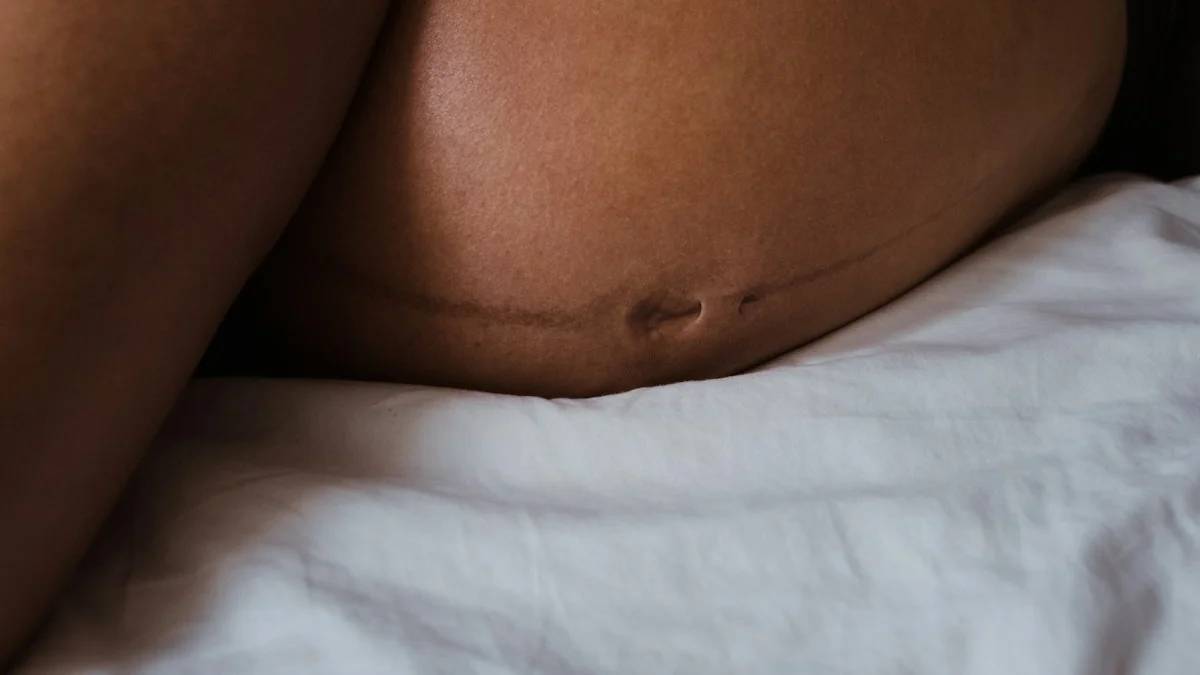
At two in the morning, eight months pregnant, I lay on my side inside a nest of seven pillows and tried to remember which one had been assigned to the belly, because the belly had filed its complaint around midnight and my hips had joined the case by one. Seven pillows. All of them had a job, and nobody had handed me the job descriptions, so this post is the why behind the sentence every pregnant woman hears, why left side sleeping is recommended in pregnancy, what the pillows are actually doing, and how dinner, fluids, light, and naps belong to the same project, with the decade-wide version of hormones and sleep in the hormones and sleep guide.
Key takeaways
- Side sleeping is the recommendation, the left side if it’s comfortable, and comfort is allowed to win over dogma.
- A pillow under the belly and one between the knees carry the position; pillows are cheap and they do real work.
- Smaller, earlier dinners and less fluid in the last hour before bed buy real hours back.
- Keep the 2 a.m. trip dim, because light decides whether you slide back under or surface all the way.
- Naps count after broken nights, and anything that worries you goes to your obstetrician, not a blog.
Left side sleeping pregnancy: why the side is the default
Pregnancy runs the sleep experiment in both directions, and the chapter this comes from puts it plainly: first the hibernation, then the logistics. Early on, a progesterone surge makes many women sleepy with a force that feels almost pharmaceutical, the kind of tired that finds you asleep on the couch at 8 p.m. By the third trimester the script flips. Surveys run by the National Sleep Foundation have found that roughly three quarters of women report disturbed sleep in late pregnancy, which surprises nobody who has attempted it with a full bladder, a foot in the ribs, a wall of heartburn, and a body that has outlawed the stomach and the back as sleeping positions. The side is what’s left standing.
The mechanics come first. Stomach sleeping solves itself somewhere in the second trimester, usually with a jolt. Back sleeping sets the weight of the uterus down near the major vessels, and many women feel it before any article explains it, waking flat on their backs slightly off and rolling over without being told. Side sleeping keeps that weight off. The left side gets named first because it tends to favor the vessel arrangement, and because some women find it eases swelling too.
Here’s the part most lists skip. The left side is a preference, not a commandment. If the right side is the one your body will actually hold at two in the morning, a full right-side night beats a failed left-side one every time. Your obstetrician can tell you whether your own circumstances ask for a specific side, and for most women the tiebreaker is the same. Comfort is allowed to win.
The pillow fort that carries the side
At eight months, nothing holds itself. The engineering that works is mostly pillows and timing, and the pillow half is simple: one under the belly, one between the knees, so the belly pillow takes its load off the hip and lower back while the knee pillow keeps the pelvis level, which does more for hip pain than any mattress ever sold to a pregnant woman. Add a third pillow behind your back as a brake on the rolls that land you flat before you know it.
Build the fort once. Stop apologizing for it. A small fort of pillows is now part of your life, and the cheapest pillows in the house do the job as well as the shaped ones, which I mention because I bought the shaped one first. “Pillows are cheap. They do real work.”
If you want the position-by-position version, the walkthrough of pregnancy third trimester sleep positions covers which pillow goes where and what to do about the back position everyone worries over. My job here is the why. The side needs scaffolding to survive a whole night, and the scaffolding costs less than a takeout order.
Dinner, fluids, and the 2 a.m. trip
The timing half starts at the table. Eat smaller dinners, and eat them earlier, because everything presses on the stomach now and heartburn keeps hours that end far too late, which is why the general rules in the post on eating late at night and sleep get stricter in the third trimester, not looser. If a big plate at eight buys you a burn at midnight, the plate was the problem, not your discipline.
Fluids follow the same logic. Ease off liquids in the last hour before bed to buy the bladder a longer first shift, which is exactly what it sounds like, a negotiation with an organ that will win eventually but can be scheduled. You still need water, obviously, and nobody’s asking you to shortchange it. You can concentrate it earlier in the evening.
Then there’s the trip itself, the 2 a.m. one, and it has a light rule. Keep the light off or as dim as you can manage, because bright light at that hour tells your brain the day has started and you surface all the way, while dim light lets you slide back under instead of lying in the dark doing arithmetic on how many hours remain before the alarm. A low nightlight, or a hallway light around the corner, is enough to walk by and too dim to tell your brain it’s morning. The trip is inevitable. The surfacing is optional.
Naps count, guilt doesn’t
Here’s the permission slip. I mean it literally. The same book that is strict about long afternoon naps stealing sleep pressure makes one stated exception, and it’s this one: a twenty or thirty minute nap after a night of interruptions is repair rather than theft. “You’re not being weak. You’re growing a person, which is labor, and labor gets breaks.”
That goes for both directions of pregnancy. In the first trimester, when the progesterone surge hits and you’re face-down over a lunch you no longer want, the answer is embarrassingly simple, which is to sleep when your body demands it. “Naps count. Guilt doesn’t add a minute.” If you want the dial settings instead of the permission, the post on how long naps should be covers the timing.
What comfort engineering can’t do
A pillow never read a lab result. Comfort is not medicine, and the whole point of this chapter is knowing where the lifestyle stops, which it draws better than any writing I’ve found: it can show the shape of what changes and “mark the line where self-help should stop and a doctor should start.” Anything that persists or worries you belongs in a conversation with your obstetrician, who has heard every version of it and can tell normal from not.
The framing that helped me most came from the chapter’s cousin case, the week before a period, which I’ve written up separately in the luteal phase sleep problems post, where the thermostat gets moved and no amount of effort moves it back. “You haven’t broken anything. Your thermostat got moved. Effort is the one thing this window doesn’t need.” Late pregnancy runs on the same logic. You’re not failing at sleep. You’re sleeping in a body that has been rearranged on purpose, and the goal is a decent night, not the old one.
There’s a ceiling here. Comfort tactics can turn five wake-ups into three, and three is a real win, but they don’t hand your pre-pregnancy nights back, because those nights left for a reason with a due date. The same holds across the wider hormonal story, which the perimenopause sleep overview opens, and the boundary stays the same at every stop. “Notebooks record. Labs read. I can’t.”
Frequently asked questions
Why do doctors recommend sleeping on the left side during pregnancy?
Mostly for circulation and comfort. Side sleeping keeps the weight of the uterus off the major vessels that run near the spine, the left side tends to favor that arrangement, and some women find it eases swelling. The honest footnote is that comfort decides. A position you can actually hold all night beats the textbook one you abandon at one.
What if sleeping on my left side never feels comfortable?
Then use the side you can hold. The left side gets named first because it tends to work best on paper, but a right-side night with a pillow under the belly and one between the knees is a real night, and a failed left-side one isn’t. If no side is comfortable at all, that’s worth a conversation with your obstetrician, since positioning tricks beyond pillows exist and some are prescription territory.
How late should dinner be in the third trimester?
Earlier and smaller than your pre-pregnancy normal. Everything presses on the stomach now and heartburn keeps hours that end far too late, so a dinner that used to be harmless can buy you a 1 a.m. burn. There’s no single correct clock time. If heartburn is costing you hours, move the meal earlier, make it smaller, and mention it at your next appointment if it stays fierce anyway.
Why does the 2 a.m. bathroom trip need dim light?
Light decides the cost of that trip. Bright light at that hour tells your brain the day has started and surfaces you all the way, while dim light lets you slide back under instead of lying there doing arithmetic about the alarm. Keep the light off or as dim as you can manage, and aim a low nightlight so you can walk safely without waking fully.
When should pregnancy sleep problems go to my doctor?
When anything persists or worries you, because your obstetrician has heard every version of it and can tell normal from not. Bleeding, big swelling, a baby moving less, heartburn that won’t respond to smaller dinners, or sleep that has come apart completely all belong in that conversation. A blog can hand you comfort engineering. Only your doctor can read your particular pregnancy.
The fuller system this post leans on, worksheets and 30-day reset included, lives in Sleep, Finally, and it covers the rest of what each season of life does to sleep. Build the fort tonight. Eat early, dim the hall, and let the pillows hold what they can.
This guide is educational, not medical advice. Pregnancy sleep and symptom questions belong with your obstetrician or midwife, who can examine you and read your history; comfort tips are comfort, not care.