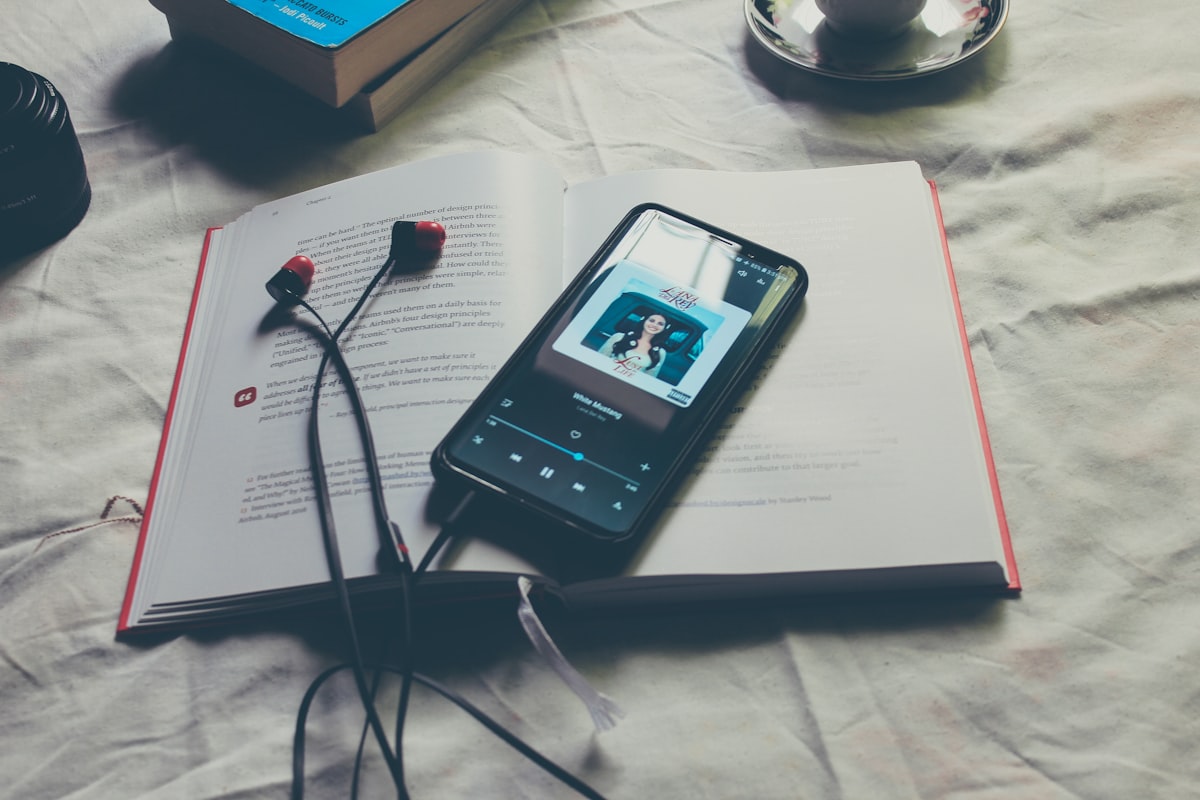
Screens & Sleep
Why We Reach for Phones When We Can't Sleep
By Nora Vale · November 19, 2025 · 7 min read
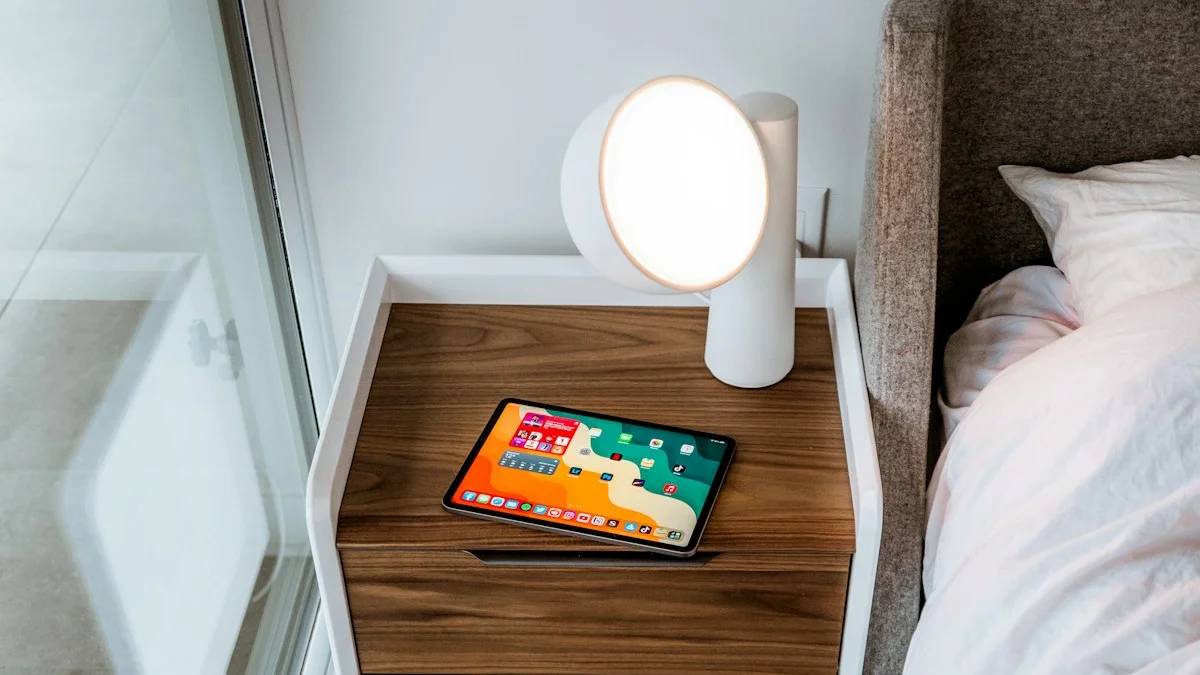
You wake at some dark hour, and before you’re fully conscious your hand is already moving toward the nightstand. Nobody decides this. It’s a reflex, and the phone earns it honestly, because it’s the most interesting object within arm’s reach and it offers relief without effort. But the reflex is expensive, and understanding why we reach for phones when we can’t sleep is the first step to putting something cheaper in the same slot. The full picture of screens at night is in my screens and sleep guide.
Key takeaways
- The reach is a reflex, not a decision, and it’s built on an unpredictable reward loop.
- A middle-of-the-night scroll costs you twice: light plus content, both waking signals.
- The worst possible company at 3 a.m. is a feed.
- Distance beats discipline: the phone can’t whisper to you from the kitchen.
- Have a boring plan for the wake-up before the wake-up happens.
The reflex, explained honestly
The scroll keeps going because every swipe carries a maybe. Maybe the next one is interesting, and an unpredictable reward is the most compelling kind there is, which is exactly why the feed is built that way. When you’re awake and bored in the dark, the deal gets even better: relief from the discomfort of lying there, delivered with zero effort, one unlock away. “Thousands of very good engineers, with bonuses tied to his thumb, refined that design for a decade. Tyler wasn’t weak. He was outnumbered.” A tired brain at 2 a.m. is even more outnumbered than a rested one at 10 p.m.
There’s no shame in the arithmetic. The brain doesn’t respond to the phone as a glowing rectangle. It responds to what’s on it, and most of what’s on it is built to provoke a reaction. An argument in the replies. A feed with no bottom. Each one is a small emergency, and a small emergency is the opposite of the drowsy, bored state your mind has to be in before sleep will come meet it.
What the middle-of-the-night scroll actually costs
The bill arrives twice. First the light: “A phone is a small sun you hold about a foot from your face,” and photons arriving after dark tell the ancient timing equipment in your brain that the day is still running, which presses pause on melatonin and can push your whole schedule later. In the famous 2015 Brigham and Women’s experiment, “The tablet readers’ melatonin arrived about ninety minutes late,” and that was after hours of bright, close-range light. A 3 a.m. check is a smaller dose, but it’s aimed at the most fragile part of the night.
Then the content. If the content wakes your mind up, it barely matters that the screen is dim. The scroll hands your mind questions, and the 3 a.m. brain answers them with a full inventory of everything that might be going wrong in your life. That’s why the worst possible company at 3 a.m. is a feed, and it’s also why the nights you scroll tend to become the nights you’re up for good. The 3 a.m. mind has its own mechanics, covered in why do I wake up at 3am every night.
Why distance beats discipline
Here’s the part that surprises people: willpower is the wrong tool for a reflex. You will not out-argue a slot machine at 2 a.m., and you don’t have to. “Somewhere around week two of the kitchen-counter life, you’ll wake at some dark hour and reach out of habit, and your hand will close on nothing. That nothing is the whole trick, because the worst possible company at 3 a.m. is a feed.” The phone can’t whisper to you from the kitchen. Distance does what do-not-disturb never could.
The setup is boring, which is why it works. “The highest-yield screen rule I know, the one that changed my nights more than any glasses, app, or setting, costs about ten dollars.” A real alarm clock retires the phone’s last honest excuse, and the phone starts charging somewhere the reflex can’t reach. If the full move feels too big, charging it across the room is an honest first step, and the complete case is in should I charge my phone outside the bedroom.
A plan for the next wake-up
The reflex fills a vacuum, so fill the vacuum first. When you wake and can’t sleep, keep the room dark and boring. Slow breathing works for many people. A few pages of a paper book with a dim lamp works for others. If you’re awake past what feels like 20 minutes, get up and do something dull in low light until drowsy, then return. The point is to give your hands a job that leads back toward sleep instead of toward the feed.
Write the plan down before bed, because the 3 a.m. version of you is not a good planner. One line is enough: no phone, dim lamp, boring book, back to bed when sleepy. And if you do lose a night to the reflex, start over the next evening without treating it like a moral event. The feed is patient. You just have to be more stubborn than it is, which only works if you’re not also tired, so sleep first, fight later.
The feed will still exist at 7 a.m. Your sleep window won’t. The book behind this chapter, with the full evening protocol, is Sleep, Finally. Move the phone tonight, and give the reflex nothing to reach for.
Frequently asked questions
Why do I grab my phone when I can’t sleep?
Because it’s the most interesting object within reach and it offers relief without effort. The feed answers every swipe with a maybe, and a bored, awake brain takes the deal every time. That’s design working as intended rather than weakness, and thousands of engineers refined it for a decade.
Does checking my phone in the middle of the night really hurt?
Yes, twice. The light tells your body clock the day is still running, and the content hands your mind small tasks and questions exactly when it needed to be bored. The worst possible company at 3 a.m. is a feed, and the scroll is often what turns a brief waking into a long night.
What should I do instead of scrolling when I wake up?
Keep the room boring and your hands busy with something that ends on its own: a few pages of a paper book, slow breathing, or simply staying in the dark. If you’re awake past about 20 minutes, get up and do something dull in low light until drowsy, then return to bed.
How do I break the reflex if the phone sleeps next to me?
Change the geography. Buy a ten-dollar alarm clock and dock the phone across the room or in another room entirely. Distance does what do-not-disturb never could, because the phone can’t whisper to you from the kitchen, and the hand that closes on nothing is the whole trick.
This guide is educational, not medical advice. If you wake for long stretches most nights for weeks, that’s a conversation for a doctor rather than a settings change.