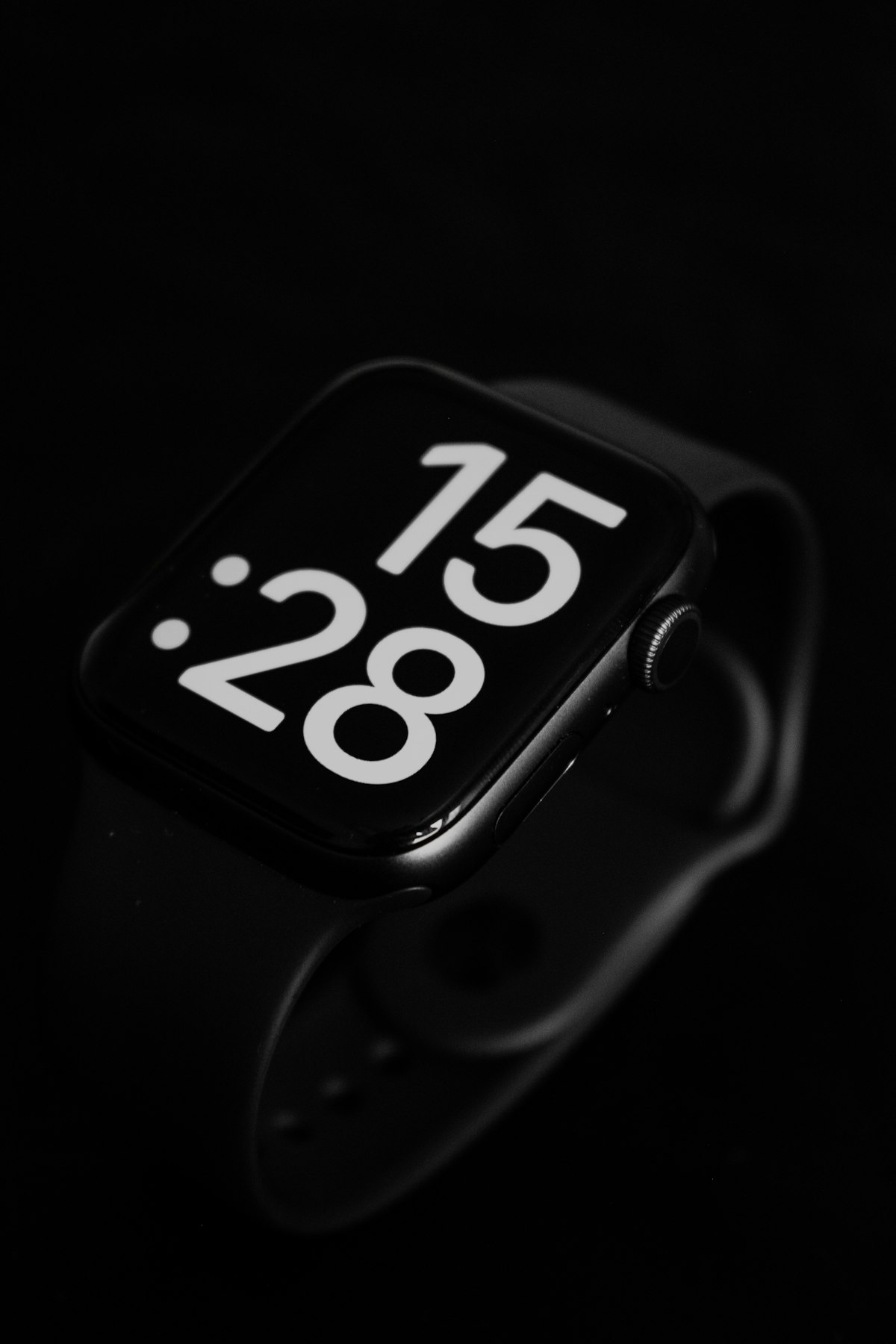
Can a Sleep Tracker Spot Apnea Patterns?
Can a sleep tracker spot apnea patterns? What wrist devices can and can't see, which readings deserve attention, and why a home sleep study is the test that counts.
Can a sleep tracker spot apnea patterns? What wrist devices can and can't see, which readings deserve attention, and why a home sleep study is the test that counts.

Sleep apnea and blood pressure are linked night after night: untreated apnea strains the heart, and snoring, pauses, and unrefreshed mornings deserve a doctor.

Partner snoring talk without the fights: lead with evidence and care, pair earplugs with a fan tonight, and turn the pauses into a doctor visit, not a fight.
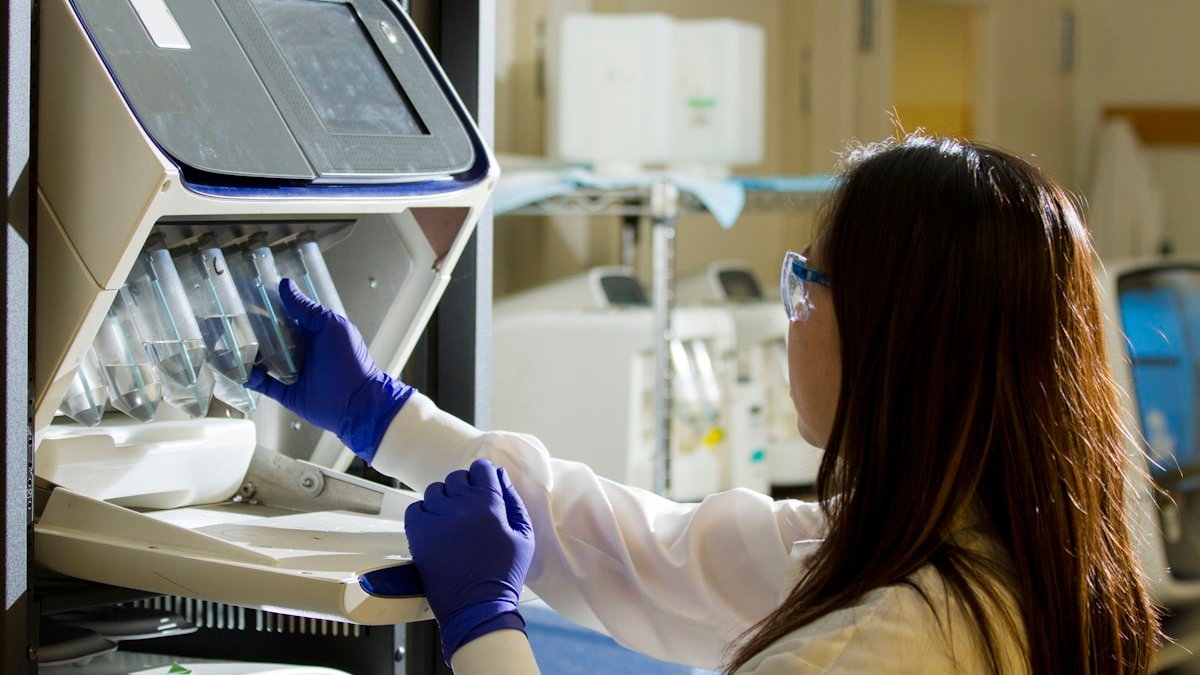
An in lab sleep study explained plainly: what the sensors do, what a night in the lab measures, and why the appointment is easier than its reputation.
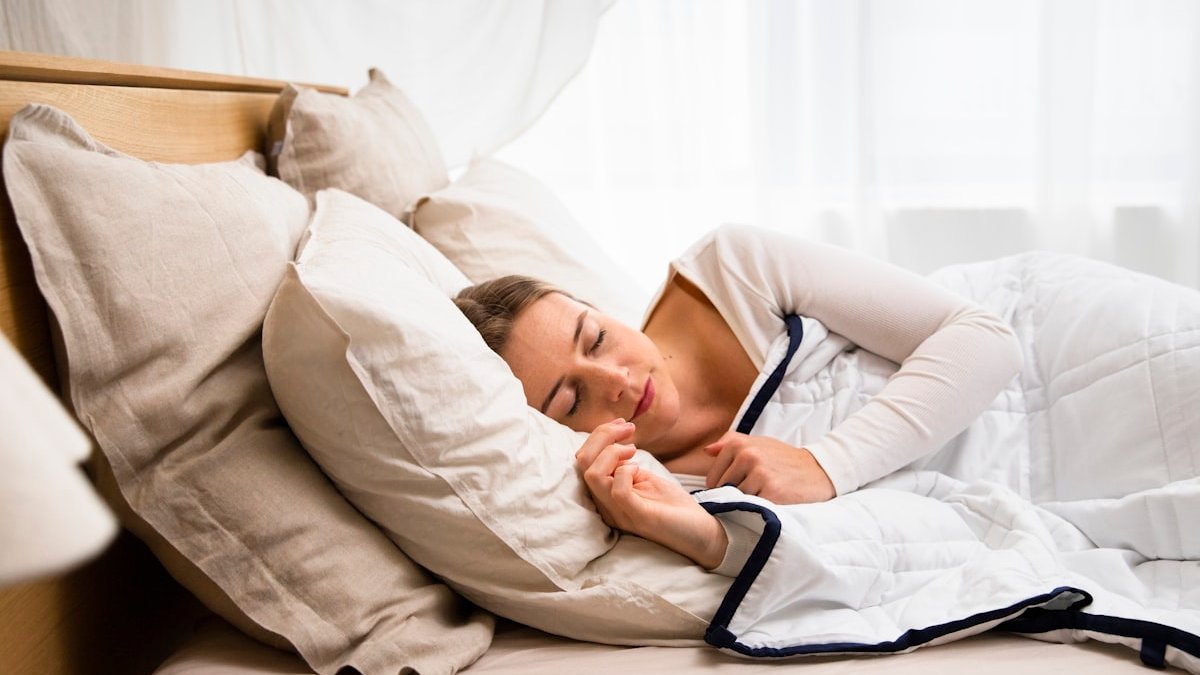
A home sleep apnea test is a few sensors and one ordinary night in your own bed. What the setup involves, and why it's easier than the not knowing.
Recording yourself snoring overnight can turn 'I think I snore' into evidence a doctor can use. What a phone recording can and can't tell you, honestly.
Sleep apnea signs in older adults hide behind age: naps that don't fix fatigue, morning headaches, witnessed pauses. What to watch for and what the test is.

Sleep apnea symptoms women often miss don't look like the man-snoring stereotype: insomnia, fatigue, headaches, and mood changes that hide the real cause.
Yes, sleep apnea can happen without snoring, especially in women and older adults. Learn the quieter signs of sleep apnea that don't snore and when to see a doctor.
Snoring is usually just noise, but pauses and gasps change the story. How to tell ordinary snoring from the pattern that deserves a doctor, and what to bring along.