Waking Up Gasping for Air: What It Means
Waking up gasping for air: what the pattern usually means, when it points to sleep apnea, and the evidence worth bringing to a doctor instead of guessing.
Waking up gasping for air: what the pattern usually means, when it points to sleep apnea, and the evidence worth bringing to a doctor instead of guessing.
Snoring pauses of ten or twenty seconds followed by a gasp are a pattern worth showing a doctor. What the stop-start snore is, and how to gather evidence.
Sleep apnea children signs look nothing like adult tiredness: snoring three or more nights a week plus trouble concentrating, acting out, and grades sliding.
What to tell your doctor about insomnia: seven days of notes, one honest sentence, zero apologies. Bring evidence, ask for CBT-I by name, skip the shame.

The sleep apnea driving risk is falling asleep at the wheel, not snoring: untreated apnea fragments night after night, and the bill lands behind the wheel.
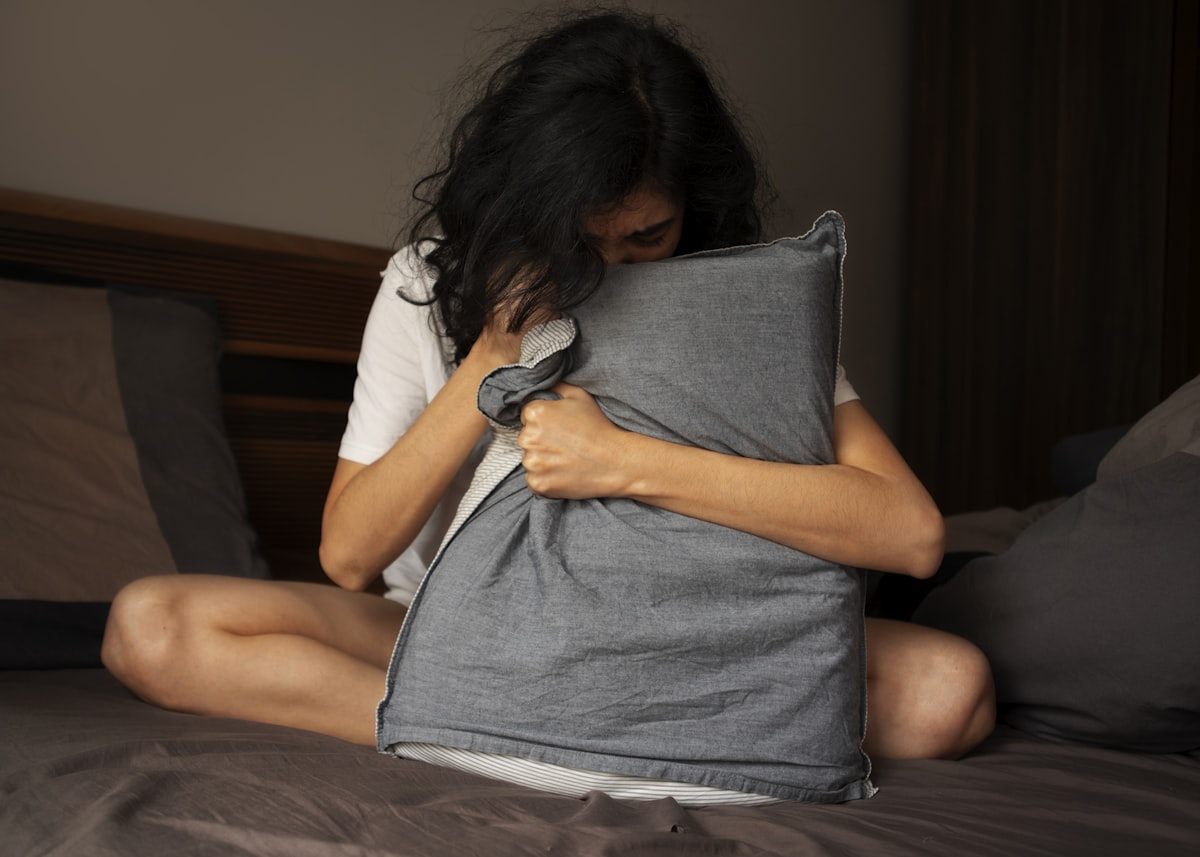
Wedge pillow sleep apnea claims are everywhere. Elevation helps reflux and mild positional symptoms, but apnea itself needs a doctor, not bedding.
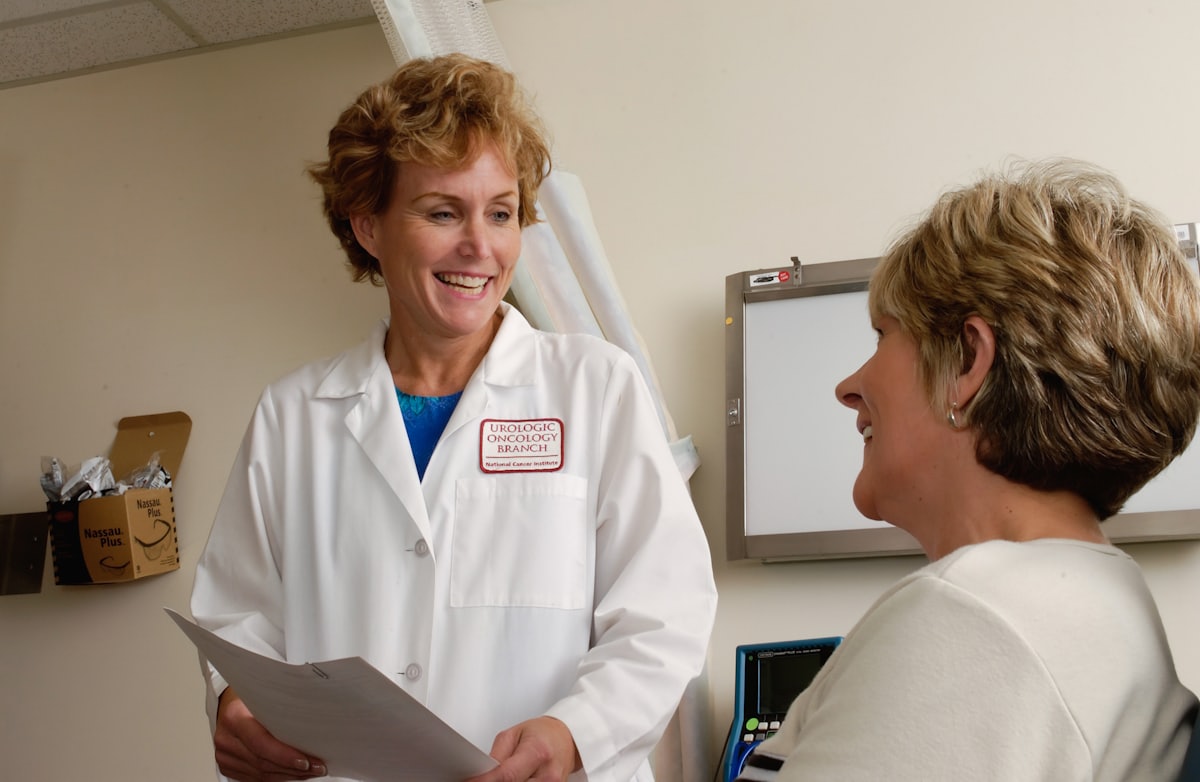
Sleep apnea treatments go beyond CPAP: oral appliances, positional therapy, surgery, and weight-centered approaches, each with honest strengths and limits.

Adjusting to CPAP in the first two weeks: what's normal, what's mask-fit versus habit, and how a two-week log turns a rough start into a usable one.
Sleep study cost runs from a few hundred dollars for a home test to thousands for a lab night. What drives the price and how to check yours.
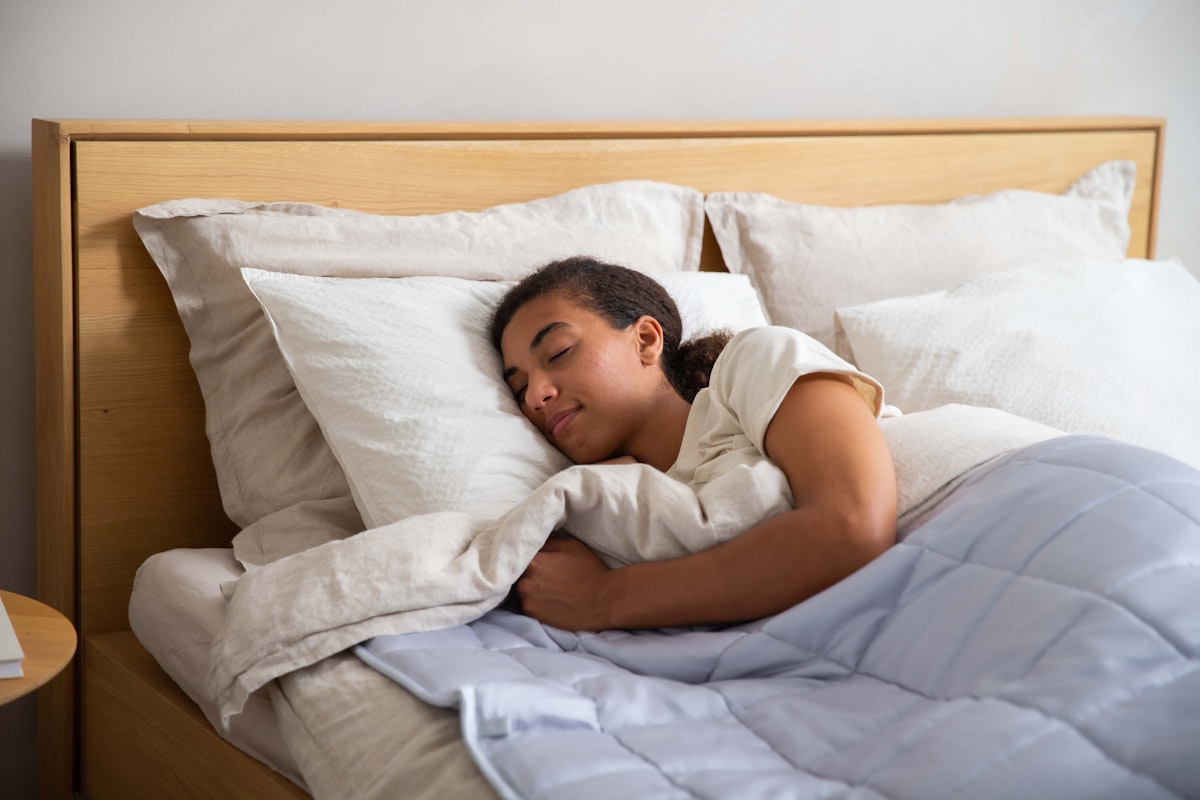
Home vs in lab sleep study: what each one measures, what the night actually looks like, and how the doctor decides which test fits your suspected problem.