Exercise, Naps & Sleep
Best Yoga Mats for Evening Wind-Down Routines
By Nora Vale · July 21, 2025 · 7 min read
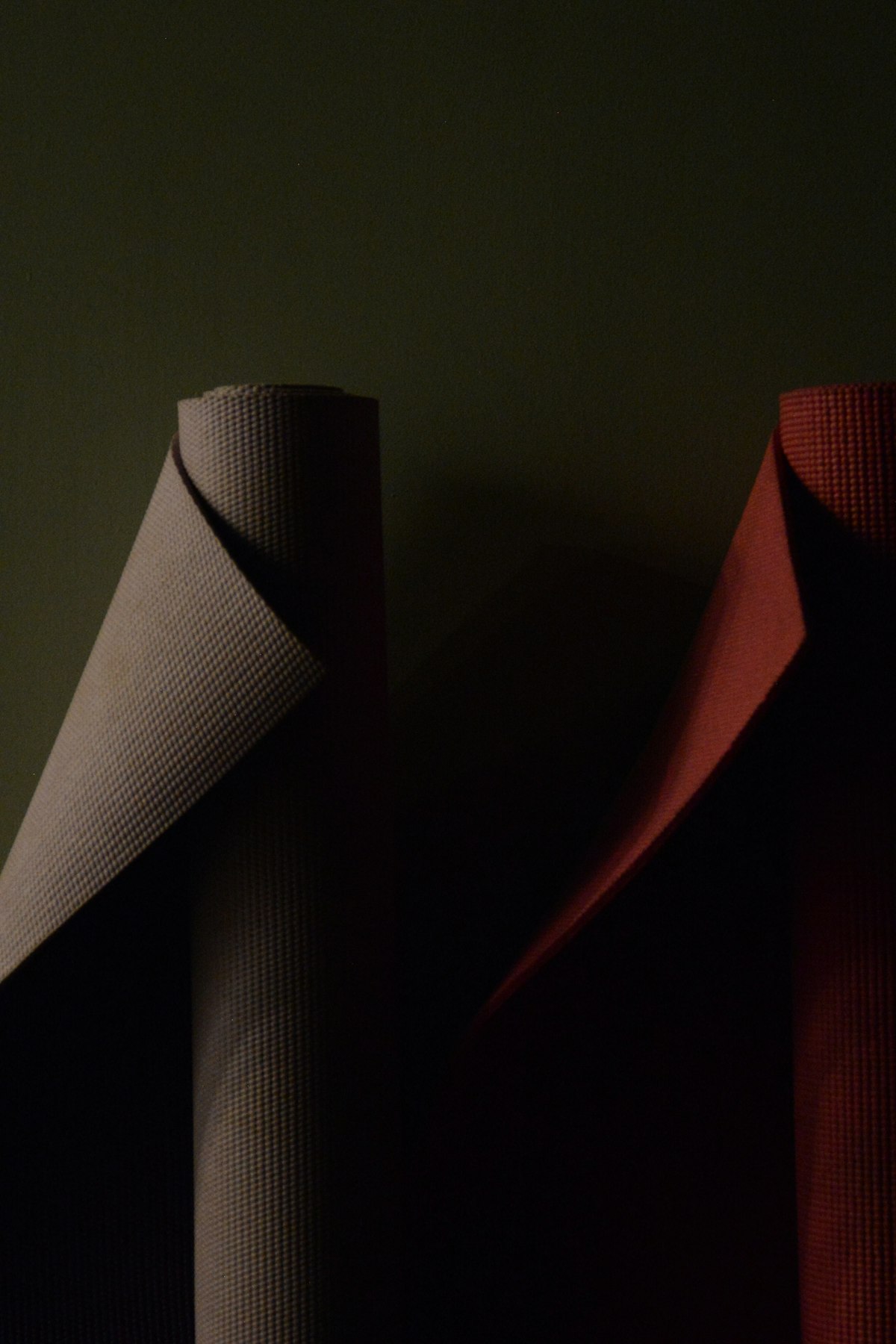
The mat under my bed has done more for my wind-down than anything I’ve bought for sleep, and it cost less than the candles people buy for the same hour. I don’t do poses worth posting: cat, cow, child’s pose, some hamstring thing, eight minutes under a dim lamp. The mat’s job is to make those eight minutes friction-free, and that job has a narrow spec most reviews miss. This is the buying guide for the bedtime version of yoga mats, not the studio version. The exercise and sleep guide holds the movement chapter the mat serves.
Key takeaways
- The evening session is eight slow minutes, so the spec is grip, comfort on hard floors, and quiet, not performance features.
- Around six millimeters is the sweet spot: kind to knees, still honest under balance.
- Skip anything that smells strongly out of the box, since off-gassing in a small bedroom is a real objection.
- Storage location outranks brand: a mat under the bed gets used, and a mat in a closet doesn’t.
- The mat fills the body slot of a wind-down routine, and the evidence behind gentle evening movement is real but modest.
What the wind-down actually asks of a mat
The before-bed session is nothing like a class. It happens in the last hour before bed, under a dim lamp, in whatever you’d wear to sleep, and the movement is slow and unclenching: cat, cow, child’s pose, some hamstring work. Your body believes demonstrations more than declarations, and this is the demonstration. The mat’s job is to disappear into that scene, which means it needs to be grippy enough that you never once think about slipping, comfortable enough that kneeling on a hardwood floor isn’t the thing you remember, and quiet enough that nothing squeaks in a dark house.
That spec disqualifies more mats than you’d expect. The travel mats that fold into a suitcase are thin enough to make knees object, and knees that object at 9:45 p.m. don’t get a second session. The deluxe home-practice mats at fifteen millimeters feel like a mattress and then let your wrists sink in a way that makes slow transitions wobblier, which is the opposite of the hour’s goal. And the cheap ones that arrive smelling like a chemical plant are a genuine problem in a small bedroom, where you’re about to put your face near the surface and breathe.
The evidence behind the session itself is real but modest, which is worth saying in a buying guide: trials on gentle evening movement found slower sleep onset and better sleep quality, nothing dramatic, no incense required. The mat is furniture for that finding, and furniture for a real finding is a legitimate purchase. Furniture for a fantasy, the fantasy being that equipment produces the habit, is what most of the sleep market sells. This one at least sits on the honest side of the line, provided the eight minutes happen.
The short list of features that matter
Thickness first, because it decides whether the habit hurts. Around six millimeters handles hard floors and keeps balance honest, and it’s the size most wind-down sessions settle on once people stop buying for Instagram. Density second: a dense mat doesn’t bunch under a palm or a knee, and bunching is a small annoyance that becomes a reason to skip. Grip third, and here’s the honest note most reviews skip: many grippy mats are slick for the first week out of the box, so a new mat needs a few days of unrolled air time and maybe a wash before its first bedtime shift, which conveniently is also how the chemical smell leaves. None of these features is glamorous, and that’s the point, because the session is glamorous to nobody, including your nervous system, which prefers it that way.
Length matters less than stores imply unless you’re tall, in which case buy the long one, because hanging feet off the end of child’s pose is exactly the kind of insult a wind-down doesn’t need. Material comes down to honesty about trade-offs: PVC mats grip well and carry the smell question, natural rubber grips well and bothers latex allergies, and the thermoplastic middle ground is fine and usually cheaper. None of it changes your sleep. All of it changes whether the eight minutes are pleasant, and pleasant is what repeats.If you want the session the mat hosts, yoga before bed runs the practice version, stretching vs yoga: which wind-down fits your nights settles the style question, and stretching before bed: does it help you sleep holds the evidence for plain stretching. For the hour the mat lives inside, how to build a wind-down routine that sticks is the manual, and do you really need a full hour to wind down argues the shorter case. If the whole evening hour keeps collapsing under late work or screens, why your brain needs a wind-down hour is the argument for defending it, and the body slot is where the mat earns its floor space.
Frequently asked questions
What makes a yoga mat good for evening wind-down use?
Three things: a grippy surface so you never fight slipping during slow poses, enough thickness to make kneeling comfortable on hard floors, and a dense build that doesn’t bunch under a knee or a palm. Nothing that makes noise or demands energy.
How thick should a wind-down yoga mat be?
Around six millimeters is the honest sweet spot: thick enough for cat, cow, and child’s pose on wood or tile, thin enough to keep your balance honest in standing stretches. Much thicker and the mat fights you; much thinner and your knees win the argument against the habit.
Do I need a special mat for before-bed stretching?
No, and that’s the point. The wind-down session is eight slow minutes under a dim lamp, not a practice with equipment demands. Any honest mat works, and keeping it under the bed matters more than which one you buy.
What should I avoid in a mat used at night?
A strong chemical smell, which means off-gassing you’ll breathe in a small room, and slick new surfaces that need a week of breaking in. Unroll and air a new mat for a day or two before its first bedtime shift.
Where should I keep the mat?
Somewhere it takes one motion to deploy. Mine lives under the bed, and the mats that live in closets never make it to the wind-down hour. The version that lives visible is the version that happens.
One honest limit to close the review. No mat has ever improved anyone’s sleep by itself, and if the choice is between a perfect mat and starting tonight on a carpet with a towel, start tonight on the carpet with a towel. The mat is a convenience that lowers friction, and lowering friction is worth money only after the habit exists. When it does, buy the boring six-millimeter one, air it out, and put it where one motion deploys it. Mine is under the bed, and the whole movement chapter it supports is one chapter of the book.
This guide is educational, not medical advice. If stretching causes pain or you have an injury, check with a doctor or physical therapist first.