Screens & Sleep
Does Screen Time Affect Sleep? The Honest Answer
By Nora Vale · July 26, 2026 · 7 min read
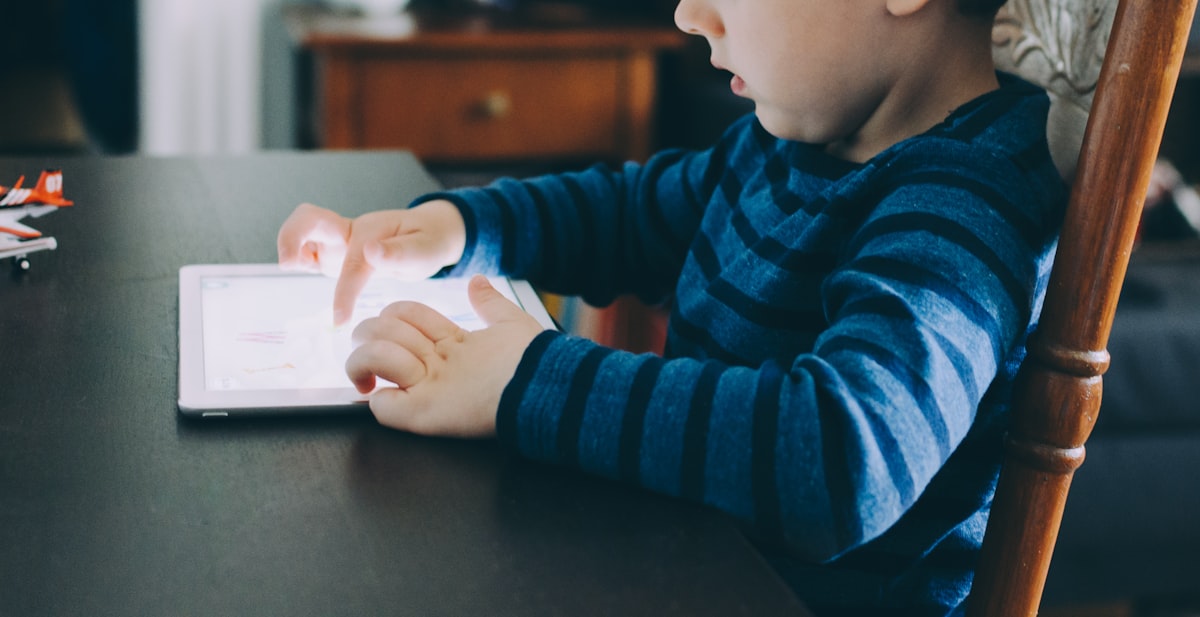
At 10:50 last winter, a neighbor named Tyler got into bed to check the weather for his morning run. At 11:37 he was staring at the ceiling doing math on six hours of sleep, with no memory of the previous forty-five minutes. In between: a senator had said a thing, the replies were worse than the thing, and a stranger was confidently wrong about pasta water. He fell asleep eventually. He didn’t enjoy a minute of the gap.
That gap is the real answer to whether screen time affects sleep, and it’s stranger than the one you’ve been reading. The light story is half true. The bigger story is that a slot machine in your hand asks your brain a question with every swipe, and forty-five minutes can vanish. I keep the full map in the screens and sleep guide; this post takes the question apart.
Key takeaways
- Screen time does affect sleep, but the average effect in pooled studies is smaller than the panic suggests.
- The damage comes mostly from stimulating content and stolen minutes, not from the glow itself.
- Light matters too: hours of bright close-range light delay melatonin, but a dim phone is a modest dose.
The short answer, with the dose attached
Screen time does affect sleep. If it didn’t, nobody would need this post, and my own worst stretch of nights wouldn’t have tracked my phone habits so neatly. But the honest version is smaller than the headline.
In 2015, researchers at Brigham and Women’s Hospital ran the experiment this whole conversation keeps quoting, having people read for hours before bed on light-emitting tablets or printed books. The tablet readers’ melatonin arrived about ninety minutes late. They took roughly ten minutes longer to fall asleep, spent less of the night in REM sleep, and their clocks shifted later as well. Real effects. Worth respecting.
Notice the dose, though. That result came from hours of bright, close-range light held about a foot from the face, night after night. It did not come from a glance at tomorrow’s weather. When researchers pool the media studies that follow children and teenagers, the average effect comes out small. The damage that shows up traces to two things: content that keeps young minds switched on, and scrolling that should have been sleep. So the answer is yes, with a smaller asterisk than the glasses aisle implies.
Why the light is the smaller thief
Light after dark genuinely delays melatonin. Photons hitting the back of your eye tell the ancient timing equipment in your brain that the day is still running, so the hormone that opens the door to sleep holds off. That mechanism is real, and it’s why dimming your screens and switching on night mode after dark are worth doing, since they cost nothing.
The deflating part is the numbers, and they deflate the panic nicely. Full daylight runs around ten thousand lux. A brightly lit office manages fewer than five hundred. A phone at arm’s length sits far below either, even at full brightness, and most of us dim it further in a dark room anyway.
I spent a season wearing blue light blocking glasses, and they did roughly nothing. They solved for the wrong thief. The phone moved to the kitchen the same month, and my evenings changed shape within a single week. Only one of those two moves was ever going to matter for my sleep, and it was the one that cost nothing but a short walk across the kitchen.
The bigger thief is the job in your hand
Here’s the piece the light conversation skips. Your brain doesn’t respond to screens as glowing rectangles; it responds to what’s on them. A feed is built to provoke a reaction, an argument in the replies is a small emergency, and a small emergency is the opposite of the drowsy, bored state your mind has to be in before sleep will come meet it.
Worse, plenty of adult screen time isn’t entertainment at all. It’s the inbox, the school group, the client who emails at nine, the boss who just quickly needs an answer. Every one of those arrives on someone else’s timing and assigns you a small task with a small deadline attached. That’s not a light problem. That’s a night shift with worse hours, and you’re working it unpaid from a horizontal position while the actual work sleeps soundly across town.
Then there’s the time itself. The scroll keeps going because every swipe carries a maybe, and an unpredictable reward is the most compelling kind there is. Thousands of engineers spent a decade refining that design, and the refinement worked. Tyler wasn’t weak. He was outnumbered. What the forty-five minutes stole wasn’t sleep quality; it was the hour itself, showing up next morning as a groggy Thursday and a growing coffee habit. I’ve written a separate post on why scrolling keeps you awake if you want the mechanism.
Not all screens are equal, though. A show you chose, watched in the living room with the lights low, is passive content, the gentle end of the screen spectrum. The replying and refreshing is what holds your mind in third gear, and that gear has no neutral.
What actually helps, ranked by how much it pays
The boring option wins. I’ve stopped apologizing for saying so, because ten dollars beat every gadget I tried, and I tried most of them. The highest-yield screen rule I know changed my nights more than any glasses, app, or setting ever sold, and it costs about ten dollars at any hardware store. You buy a real alarm clock. The phone stops sleeping next to you, and the whole arrangement changes in one motion. One rule handles both thieves: the light source moves out of range and the job retires for the night.
Decide where the phone sleeps at nine, not at eleven. Decisions made in bed, phone already warm in your hand, resolve about as reliably as decisions to have one more drink. Mine charges on the kitchen counter beside the fruit bowl, and it goes there when the wind-down starts, never later. The eleven o’clock version of me never gets a vote. That is the entire trick. If the full move feels like too much, charging it across the room is an honest first step; more in charging your phone outside the bedroom.
After that, in descending order of payoff. Turn off auto-play on your streaming service, a free two-minute setting that stops the next episode from choosing itself. Keep the last hour completely feed-free, even dimmed, even in a warm sepia glow that fools nobody’s body clock. Swap in paper, an e-reader, or audio with a timer, any of which ends on its own without asking you a single question.
The honest limit first. Even the good rules lose some nights. Tyler’s score after docking his phone is six nights out of seven, and the seventh is a bad news week that eats an hour anyway. One lost hour still beats seven.
Frequently asked questions
Does screen time actually affect sleep?
Yes, but through two doors. The light door is real but modest for ordinary evening use, since a phone at arm’s length is a small dose compared with daylight or office lighting. The content door is the big one: anything that provokes a reaction or assigns you a small task keeps your mind switched on, and the minutes the feed eats come out of your sleep window.
How much screen time is too much before bed?
A reasonable target from the sleep research world is minimal screen use in the two or three hours before bed. A direction, not a wall. I’d draw the line by type rather than by clock: nothing with an infinite scroll in the final hour, and no interactive anything in bed.
Does night mode make screens harmless at night?
No, and no. I’d rather you knew that before spending anything. Night mode trims the light half of the problem, which is the smaller half of the problem, and it’s free, so take it anyway instead of buying lenses. But if the content wakes your mind up, the dim screen barely matters at all.
Is screen time worse for kids and teenagers?
The pooled studies find a small average effect even for them. Unpopular, that finding. What damage shows up traces almost entirely to stimulating content and scrolling. The finding that holds: kids with televisions in their rooms sleep worse on average, which is worth remembering before any bedroom gains a screen.
Why do I lose track of time on my phone but not with a book?
Because a feed is assembled one item at a time by a system whose only question is what keeps your eyes here longest. A book ends. A chapter finishes, and nothing counts down from five to start the next one.
The feed refills itself overnight and sits there at seven a.m. with the same appetite. Refreshed. Ready for your attention. Your sleep window is the only thing in the whole arrangement that closes, so dock the phone at nine, and let the pasta-water argument wait for the morning version of you, unbothered.
This guide is educational, not medical advice. If sleep trouble persists most nights for months, a doctor is the right door, not a new screen rule.