Screens & Sleep
Kindle vs Phone for Bedtime Reading: Which Helps Sleep
By Nora Vale · June 21, 2026 · 7 min read
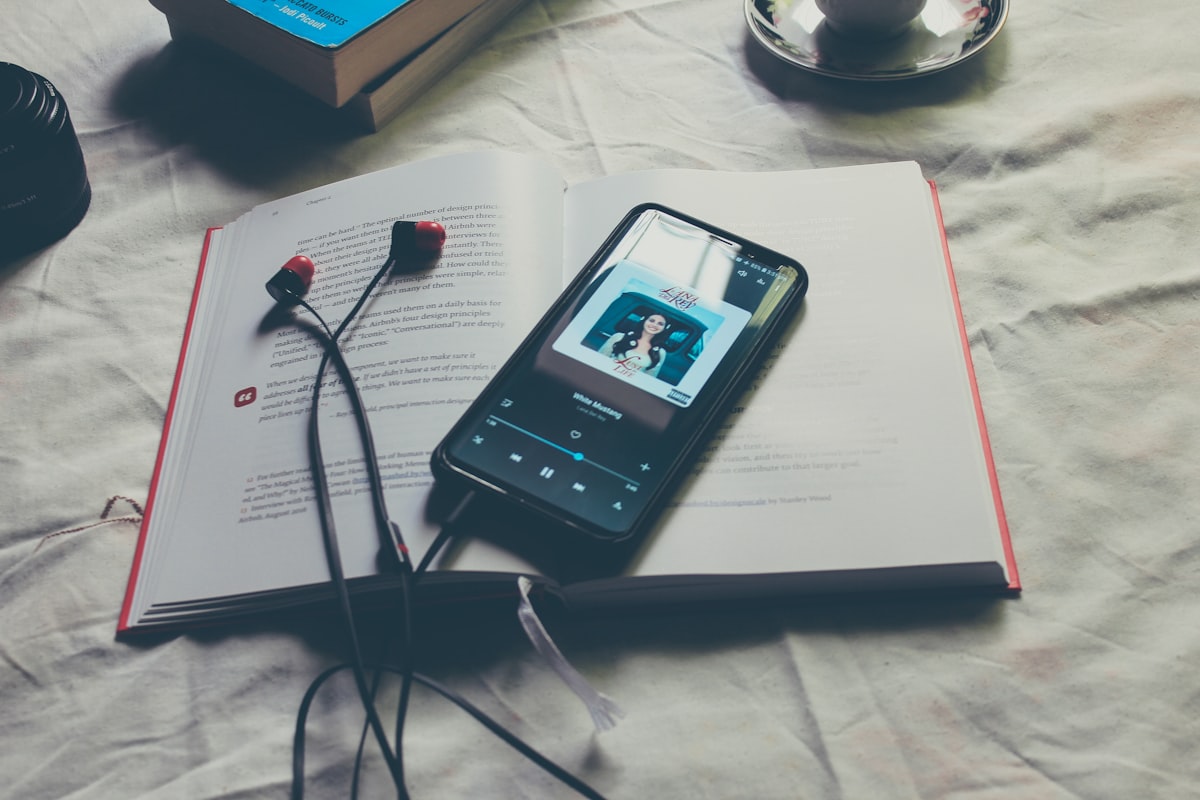
The night I understood the Kindle vs phone question properly wasn’t a reading night at all. I picked up my phone to finish one chapter of something on a reading app, and ninety minutes later I was reading a stranger’s argument about that book’s ending, then a related author’s back catalog, then something about punctuation I have never once needed. The phone had converted a book into a feed, which is what phones do to everything they touch. The e-reader by my bed, I realized, had never once done that, and the difference wasn’t the screen. The screens and sleep guide calls the phone two thieves working together, and bedtime reading is where the second thief, content, does its best work.
So let’s run the comparison the way it deserves, which is not as a spec fight. The book’s test for any bedtime habit is two questions: can it end on its own, and does it come with a feed? Hold both devices up to those two questions and most of the marketing falls away, because the answers are almost embarrassingly lopsided.
Key takeaways
- A basic e-reader passes the bedtime test on both questions: it ends on its own and ships with no feed, no notifications, and no inbox.
- A phone carrying a reading app technically reads, but it carries everything else too, and the feed is one swipe from the chapter.
- Light matters less than advertised; what the device does matters more than how it glows, though a dimmed screen still beats a bright one.
- The book itself is the last variable: a page-turner costs sleep on paper too, and familiar books are the low-risk bedtime choice.
- If the phone must be the reader, airplane mode plus distance from the pillow recovers most of the benefit.
The device comparison, question by question
Can it end on its own? A book, on any screen, ends on its own, chapter ends, sleepiness arrives, the device closes. That’s the shape reading is supposed to have at night. The phone, though, sits one gesture away from the rest of its inventory, and the rest of its inventory never ends. The failure isn’t reading on a phone, it’s that reading on a phone shares a border with a slot machine, and borders leak at eleven at night.
Does it come with a feed? A basic e-reader, the non-Android kind, ships with a bookstore and nothing else, and the bookstore closes when you close the cover. The phone carries a feed in its pocket, plus notifications, plus the inbox, and if the content wakes your mind up, it barely matters that the screen is dim, because the feed eats forty-five minutes and no night-mode setting hands them back. I’ve watched that arithmetic run on my own nights more times than I’d like to report.
Light, since everyone asks first: a phone at full brightness is a small sun you hold about a foot from your face, and even dimmed it’s a real, close-range source late at night. An e-ink Kindle frontlight is gentler and, on the lowest settings, roughly bedside-lamp territory. So yes, the e-reader wins the light column too. It just wins it by less than the ads suggest, which is why the light argument alone understates the case.
The honest case for the phone
Fairness requires saying what the phone has going for it, because plenty of people only own one. The phone is free, it’s already in your hand, reading apps sync your place across devices, and for many people the phone’s library is the only library they use. Telling all of those people to buy hardware is both snobby and wrong.
The recovery path for phone readers, in order of effectiveness: airplane mode first, because it deletes the ambush vector entirely, no notification can reach a book in airplane mode. Distance second, the phone charges across the room, not beside the pillow, so the book lives somewhere it takes a small decision to reach. Third, a reader-only app that syncs nothing and suggests nothing, the digital equivalent of a paper book with a plain cover. Readers who run all three get most of the e-reader’s benefit, and the ones who skip airplane mode get roughly the experience I described in my opening paragraph, chapter to comment section in one evening.
One more fairness note for the other side of the comparison: a cheap used e-reader costs about two nights of takeout, so the hardware argument is rarely about money, it’s about whether you want a device with a single job. Devices with one job are hard to misuse, and that’s their whole advantage.
The book matters more than the device
Now the variable both camps ignore, and it’s the one I got wrong for years. Bedtime reading’s sleep benefit depends on the book as much as the screen. A propulsive thriller keeps you turning pages past your bedtime on paper, on e-ink, on anything, because the mechanism it works on is arousal, not lumens. The goal of the last hour is lowering the stakes, and the reading that lowers them best is familiar, well-paced, and slightly boring in the loving way that reruns are boring.
So the practical formula, after all the device talk: e-ink or airplane-moded phone, dim light, and a book you’ve either read before or have no reason to binge. Save the unputdownable ones for daylight, when a three a.m. finish is a story instead of a Tuesday.
And keep the rest of the hour boring by design, because reading works best as part of the wind-down rather than as a standalone trick, which is the wind-down routine guide’s whole argument. If the feed side of the problem is your real thief, why scrolling keeps you awake takes the fuller case, and should I charge my phone outside the bedroom handles the docking decision that makes all of this stick.
Frequently asked questions
Is a Kindle better than a phone before bed?
Usually yes, and mostly for reasons beyond the screen. A basic e-reader has no notifications, no feed, and no inbox, so it can’t ambush you mid-chapter, and its e-ink light is gentle at low settings. The book you pick matters as much as the device you hold.
Doesn’t the light difference decide it?
Less than advertised. A dimmed phone is still a small sun at reading distance, but the bigger thieves are what the device does, not how it glows. Night mode narrows the gap slightly and doesn’t hand back the forty-five minutes a feed eats.
What’s the two-question test?
Can it end on its own, and does it come with a feed? A book ends on its own and carries no feed. A series auto-plays and a feed never ends, which is why both fail the test while a paper or e-ink book passes it cleanly.
What if I only use a reading app on my phone?
Then you’re one notification away from an ambush, because the phone carrying the book carries everything else. If the phone must be the reader: airplane mode, a reader app that syncs nothing, and charging across the room rather than beside the pillow.
Can a book be too exciting before bed?
Yes, and it’s the honest limit of the whole comparison. A thriller that costs you an hour of sleep works on arousal, not lumens, and it does the same damage on paper. Familiar books and reruns are the low-risk choice for the last hour.
The verdict, for the record: Kindle, or whatever single-job e-reader you like, for the default, phone with airplane mode and distance as the acceptable fallback, paper as the gold standard that needs no defense. The feed will still exist at 7 a.m. Your sleep window won’t. The book that drew this boundary is the Quiet Core Reset.
This guide is educational, not medical advice. If you experience persistent eye strain or sleep problems despite good habits, talk to a doctor or an eye care professional.