Screens & Sleep
Screens and Melatonin: What Actually Happens at Dusk
By Nora Vale · October 5, 2025 · 7 min read
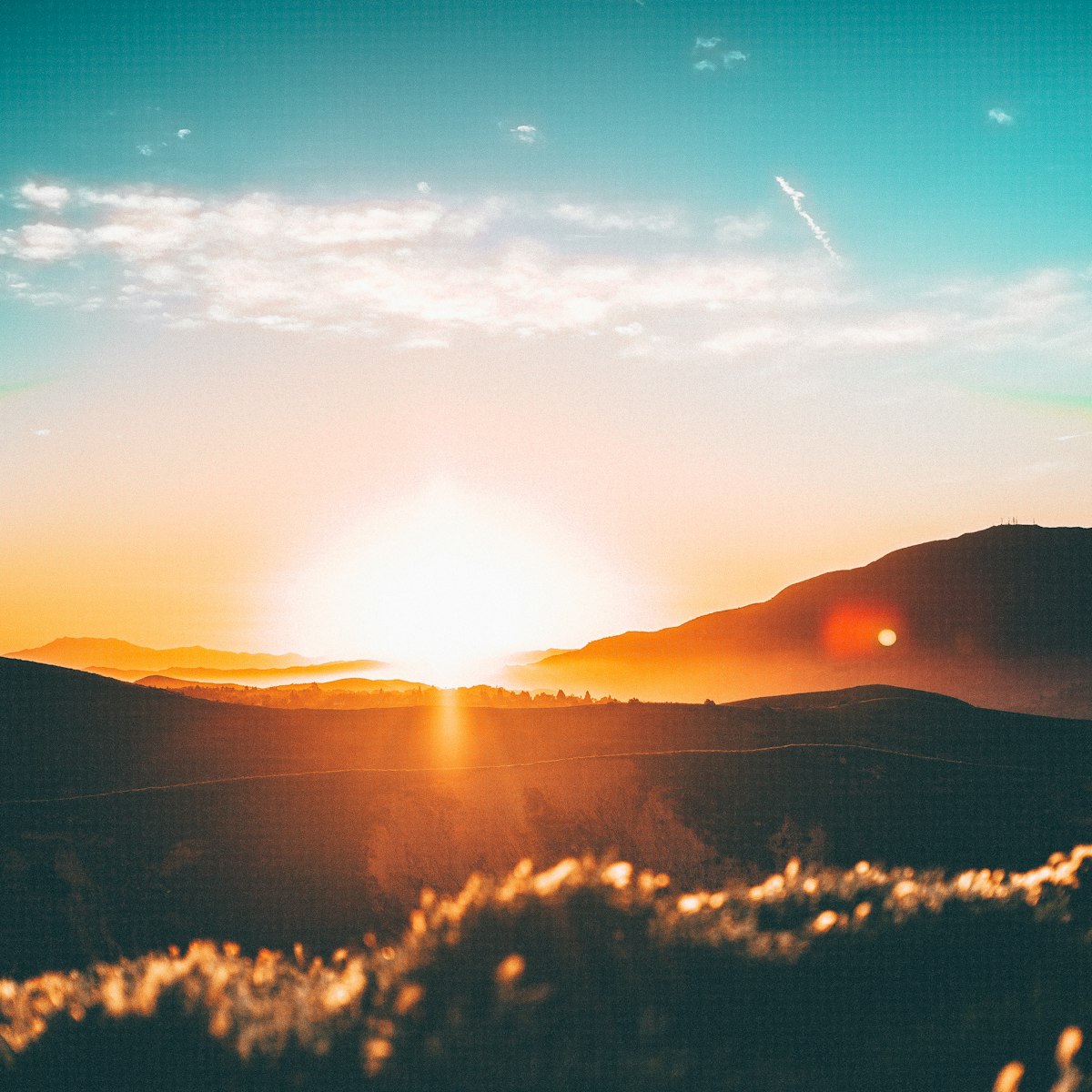
Last October I dimmed every lamp in the house at dusk for a week, and my phone still lit up my face like a reading lamp every single night. I wasn’t reading anything important. I was watching the light level outside drop and the screen level stay exactly the same, and the gap between those two facts is where most of the confusion about melatonin lives.
Melatonin is the hormone your brain releases in darkness to begin the slow shutdown, and bright evening light presses pause on that release, which pushes your whole schedule later. Not forever. Tonight, and every tonight it gets the chance. That’s the whole mechanism. Everything else, the glasses, the apps, the panic, is marketing arranged around one plain fact about photons. In this post I’ll walk through what actually happens at dusk, what the famous tablet study did and didn’t find, and which habits protect the hormone without a single purchase. The full map of how screens steal sleep lives in my screens and sleep guide; this post zooms in on the light thief.
Key takeaways
- Melatonin releases in darkness; bright light after dusk presses pause and pushes your whole schedule later.
- The famous 2015 result came from hours of bright close-range light, not from one glance at the weather.
- Dusk is the transition hour: dim the house and the screens there, and the hormone stays on schedule.
- Glasses and night mode trim a modest effect. Content and stolen minutes do more damage than glow.
Screens, melatonin, and dusk: the honest chain
Melatonin deserves one plain paragraph, since the word gets thrown around by everyone selling something. It’s the hormone your brain releases in darkness to begin the slow shutdown. Photons arriving at the back of your eye after dark tell the ancient timing equipment in your brain that the day is still running, so melatonin holds off until the light goes away. That part of the story is true. “A phone is a small sun you hold about a foot from your face”, and a small sun at nine p.m. tells a brain that should be hearing October that it’s still noon in July.
Timing matters as much as brightness. The hour when dusk used to arrive is the hour your brain still expects the lights to go down. Dim the house then and melatonin starts opening the door to sleep on schedule. Keep a bright rectangle six inches from your pillow and the door stays shut another hour or two, which shows up tomorrow as a body that isn’t ready for the alarm and a coffee that starts earlier than it used to. Screens and melatonin are not enemies in the abstract. They’re enemies at a specific hour, and dusk is it.
What the Brigham and Women’s study actually found
In 2015, researchers at Brigham and Women’s Hospital in Boston ran the experiment this whole conversation keeps quoting. People read for hours before bed, some on light-emitting tablets and some on printed books. “The tablet readers’ melatonin arrived about ninety minutes late. They took roughly ten minutes longer to fall asleep, spent less of the night in REM sleep, reported groggier mornings, and their body clocks had shifted later as well.” Real effects, worth respecting, and the reason I take evening light more seriously than most sleep-advice skeptics do.
Now the dose, because the dose is the story. That result came from “hours of bright, close-range light held about a foot from the face, night after night”, not from a last check of tomorrow’s weather, a dimmed screen on the nightstand, or a show watched from across the room. The tablet readers essentially gave themselves a long session of noon-strength indoor light at midnight. An ordinary evening of ordinary checking is a much smaller dose, and a much smaller dose deserves a much calmer conversation.
Light is measured in lux, and the numbers deflate the panic nicely. Full daylight runs around ten thousand lux. A brightly lit office manages fewer than five hundred. A phone at arm’s length sits far below either, even at full brightness, and most of us dim it further in a dark room anyway. Your own porch in July outranks every phone ever made. An hour of evening daylight, a walk after dinner or a commute home in June, delivers more light to your body clock than an entire night of scrolling does.
Why dusk is the hour that decides your night
Your body clock is a timing machine, and timing machines care about transitions. Morning light locks in the start of the day. Evening dimness locks in the end. Get that second transition wrong, by holding a small sun through the hour the house used to go dark, and everything downstream shifts: melatonin late, sleepiness late, alarm clock ringing in the middle of your deepest sleep. The next morning you get weak indoor light and a late commute sun, and the whole cycle leans a little later again. That loop, not any single dramatic night, is how a phone quietly moves a body clock.
None of this requires blackout rules. Lamps instead of overheads after dark, screens dimmed, night mode scheduled to switch on around dusk. Those are half measures that trim the dose, and they cost nothing, so take them. I spent a season wearing blue light blocking glasses instead, and they did roughly nothing; they live in a drawer while my evenings changed shape around a ten-dollar purchase. If you want the other half of the transition, the morning side that anchors all of this, I wrote about morning light and melatonin timing separately.
The dose question, answered honestly
How much screen light does it actually take to delay melatonin? The honest answer sits between the panic and the dismissal: less than the tablet study, more than zero, and it depends on distance, brightness, and how dark the room is. A phone a foot from your face in a black bedroom is the worst case, right in the study’s weight class if you hold it there for hours. A tablet across the couch with two lamps on barely registers. You are not the same dose every night, which is exactly why blanket rules sell better than honest ones.
Content muddies the measurement too, and this is where the light-only story falls apart. When researchers pool the media studies that follow children and teenagers, the average effect of screens on sleep comes out small, and the damage that does show up traces mostly to stimulating content and time spent scrolling. “If the content wakes your mind up, it barely matters that the screen is dim, and if the feed eats forty-five minutes, no night-mode setting hands them back.” Melatonin is a timing problem. The feed is a time problem. Different thieves, and only one of them lives in your lenses.
A reasonable target from the sleep research world is minimal screen use across the two or three hours before bed. The line I actually draw is about dusk and the last hour: dim and night-mode everything when the sun goes down, then keep the final hour free of feeds entirely, even dimmed, even in a warm sepia glow that fools nobody’s body clock.
What I do now, and where this honestly falls short
My current setup costs almost nothing. Dusk arrives, lamps replace overheads, night mode switches itself on, and the phone goes to the kitchen counter to charge, which removes the worst light source in the house along with the slot machine attached to it. The wind-down that follows is paper pages and twenty minutes of stretching. It took an embarrassingly long time to accept that this plain routine beat every gadget I ever bought for the purpose, and I say that as someone who owned the glasses.
The honest limits, because there are some. Melatonin timing is one input among many; caffeine after lunch, irregular schedules, and stress can push your nights harder than any screen does. Dimming the light thief does nothing about the job thief, and you can absolutely lose an hour in a sepia glow with perfect melanopsin manners. The tablet study was small, its reading sessions were extreme, and ordinary evening use sits well below that dose. Nothing here treats a medical sleep disorder. If you can’t sleep most nights for months no matter how dark the house gets, a doctor is the right door.
Frequently asked questions
Does screen light really delay melatonin?
Yes, in a dose-dependent way. Hours of bright close-range light pushed melatonin about ninety minutes late in the Brigham and Women’s experiment. An ordinary dimmed evening check is a much smaller dose, closer to a candle than a noon sun, but the direction is the same.
How much screen time does it take to shift my body clock?
Less than the study, more than zero. Distance, brightness, and room darkness set the dose: a phone held close in a black bedroom is the heavy end, a distant tablet with lamps on is the light one. Nights matter more than nights-off, because the clock learns from what happens most evenings.
Do blue light glasses protect melatonin?
Mine did roughly nothing, and the lux numbers explain why. They trim a modest effect while the bigger losses, stimulating content and the forty-five minute scroll, walk out the front door. Free dimming beats priced lenses in my scorecard.
Is dusk really the hour that matters most?
It’s the transition your clock uses to mark the end of day, so errors there shift everything downstream. You don’t need to live by candlelight. Lamps, dimmed screens, and night mode scheduled for dusk get you most of the way.
What single habit protects melatonin most?
Dim the house at dusk, and keep the last hour feed-free. If you do one more thing, charge the phone in another room, because that move removes the brightest close-range light in the bedroom and the content problem in the same motion.
“The feed will still exist at 7 a.m. Your sleep window won’t.” Dusk is when you still get to choose which one you spend. If you want the whole method, the SleepFinally book turns tonight’s sunset into a plan that costs about ten dollars.
This guide is educational, not medical advice. If sleep trouble persists most nights for months, a doctor is the right door, not a new screen rule.