Screens & Sleep
The 3am Phone Check: What It Costs Your Sleep
By Nora Vale · November 20, 2025 · 7 min read
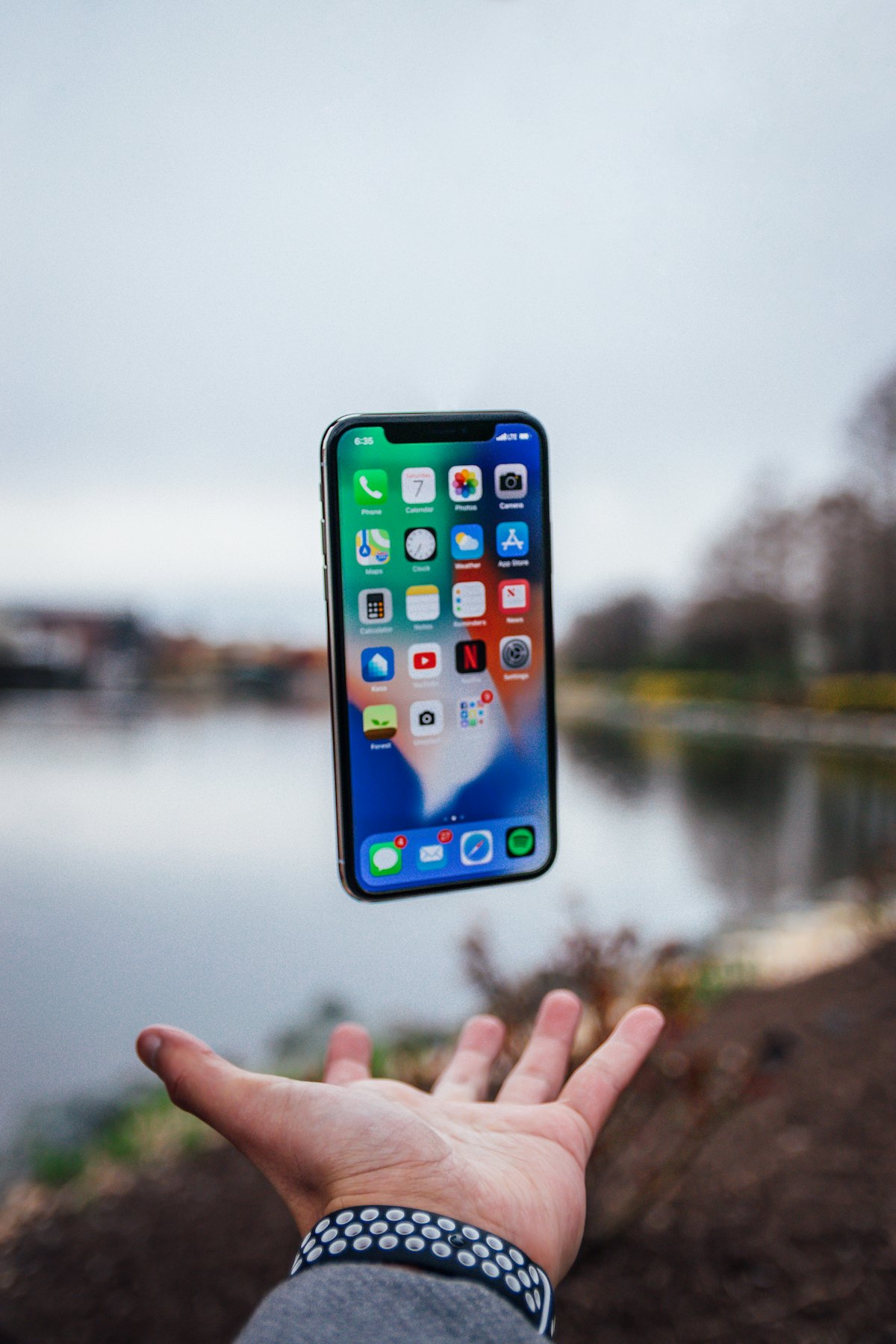
The wake-up itself isn’t the problem. Waking between cycles is normal, brief, and forgettable. The problem is what your hand does next, because at 3 a.m. the phone check is a three-for-one deal: light, content, and clock math, all delivered in the most fragile part of the night. One unlock and a brief surfacing becomes a long night. This piece prices the 3am phone check honestly, then removes the option. The full anatomy of screens at night is in my screens and sleep guide.
Key takeaways
- Night wakings are normal. The phone check is what turns them into long nights.
- The check charges three ways: light, content, and the arithmetic of hours left.
- Night mode doesn’t make the 3am check harmless, because content outweighs photons.
- The worst possible company at 3 a.m. is a feed.
- Distance beats discipline: dock the phone where the reflex can’t reach it.
What the check actually costs, line by line
Start with the light. “A phone is a small sun you hold about a foot from your face,” and photons arriving after dark tell the ancient timing equipment in your brain that the day is still running. Melatonin, the hormone that starts opening the door to sleep, holds off until the light goes away. A daytime scroll sits on top of a fully lit brain. A 3 a.m. check lands on a body that was halfway through the door, and it reopens the question the whole night was answering.
Then the content. The feed is a slot machine that asks your brain a question with every swipe, and each answer is a small dose of alertness. At 3 a.m. those doses land on a mind already primed to read danger, so the small emergencies get answered with a full inventory of everything that might be going wrong in your life. “Nothing genuine arrives at 10:40 p.m. that can’t survive until breakfast,” and almost nothing that arrives at 3 a.m. matters by morning either. The worst possible company at 3 a.m. is a feed.
The clock math, the quiet third cost
The third cost doesn’t come from the screen at all. It comes from the lock screen. The time is always there, glowing, and one glance starts the arithmetic: five hours until the alarm, four and a half, four. That inventory feels urgent. None of it helps you sleep. The 3 a.m. brain treats the shrinking number as a deadline, and deadlines are the opposite of drowsy.
If clock-watching is your version of the spiral, the dedicated piece is the 3am math spiral: counting hours left to sleep, and the wider mechanics of that hour are in why do I wake up at 3am every night. The short version: the wake-up is survivable, the audit is not. Ordinary wakings between cycles are brief and forgettable, a roll-over at most. This one arrives with a glowing number, and the number invites you to file a report your brain will read for the next two hours. Decline the filing.
There’s also a physiological reason the math feels so urgent at that hour. Sleep pressure has mostly spent itself by 3 a.m., and the mind that surfaces then is running on its lightest fuel. A thought that would be a shrug at 10 p.m. becomes a project. That’s why the advice for this hour is always subtraction, not analysis: fewer inputs, fewer numbers, fewer questions. You are not going to think your way back to sleep, and the phone hands you more to think about with every swipe.
Why night mode doesn’t save the 3am check
The pitch you’ve heard is that a dim, warm screen is gentle. It’s half true. Dimming treats the light thief, which is real but small at phone doses, and it leaves the other two costs fully staffed. “If the content wakes your mind up, it barely matters that the screen is dim, and if the feed eats forty-five minutes, no night-mode setting hands them back.” At 3 a.m. the feed rarely eats forty-five minutes. It only needs fifteen, plus the inventory it starts.
Turn night mode on anyway, since it’s free and it helps the light half at 10 p.m. Just don’t let it argue for the middle-of-the-night check, because the check was never mostly a light problem. It’s a content problem and a math problem wearing a brightness costume.
Removing the option entirely
You will not out-argue the reflex at 3 a.m., so don’t try. “Somewhere around week two of the kitchen-counter life, you’ll wake at some dark hour and reach out of habit, and your hand will close on nothing. That nothing is the whole trick, because the worst possible company at 3 a.m. is a feed.” The phone can’t whisper to you from the kitchen. Distance does what do-not-disturb never could.
The setup costs about ten dollars and one decision made before the hour it governs. “The highest-yield screen rule I know, the one that changed my nights more than any glasses, app, or setting, costs about ten dollars.” A real alarm clock retires the last excuse, and the phone charges where the reflex can’t reach. If you keep the phone at night for a genuine reason, a partner on the road or a parent whose updates arrive by text, build the planned version instead: two names on an allow list, ringer on, phone in the hallway. A rule you keep beats a rule you admire.
Then write the plan for the wake-up itself: no phone, no clock, dim lamp, boring book, back to bed when sleepy. The book behind this chapter, with the full evening protocol, is Sleep, Finally. Dock the phone tonight, and let 3 a.m. find nothing to check.
Frequently asked questions
Why is a 3am phone check worse than a daytime scroll?
Because it lands on the most fragile part of the night. The light tells your body clock the day is still running, the content hands your mind small emergencies, and the clock math starts a spiral that keeps you up for good. A brief surfacing becomes a long night with one unlock.
Does night mode make the 3am check harmless?
No. If the content wakes your mind up, it barely matters that the screen is dim. Night mode treats the light thief, and the feed and the clock math remain fully awake, which is why the check still costs you the rest of the night.
What should I do instead of checking my phone at 3am?
Stay in the dark, skip the clock, and give your hands something dull: slow breathing or a few pages of a paper book. If you’re awake past about 20 minutes, get up and do something boring in low light until drowsy, then return to bed.
How do I stop the check if the phone is right there?
Change the geography. Dock the phone across the room or in the kitchen and buy a ten-dollar alarm clock. Distance does what do-not-disturb never could, because the phone can’t whisper to you from the kitchen, and the hand that closes on nothing is the whole trick.
This guide is educational, not medical advice. If you wake for long stretches most nights for weeks, that’s a conversation for a doctor rather than a settings change.