Screens & Sleep
Using an Alarm Clock Instead of Your Phone: First Week
By Nora Vale · July 17, 2026 · 7 min read
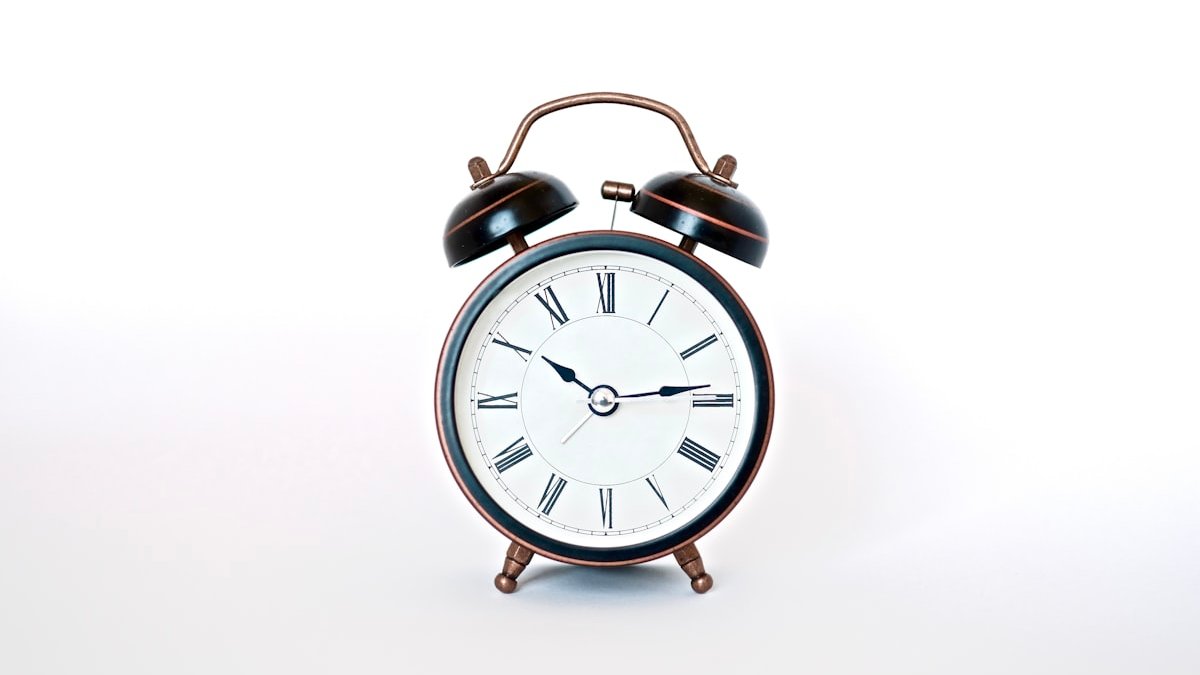
The first week is where the ten-dollar alarm clock rule goes to die, or doesn’t. I know because I’ve run it three times: two failures and one that stuck for good. The failures weren’t hardware problems. The clock worked exactly as designed both times. What failed was my understanding of what week one actually feels like, which nobody had described to me, so the strange little grief of the missing phone caught me unprepared and I called it evidence that the rule didn’t suit me. Here’s the description I needed, day by day, so your week one doesn’t need a third attempt. The full philosophy is in the screens and sleep guide.
Key takeaways
- The rule is simple: a real alarm clock, phone charging somewhere it can’t be reached from the pillow.
- Days one and two feel strangely bereft, day three brings the best excuses, and one relapse night is normal in week one.
- “The phone is two thieves working together”: light is the smaller one, the feed is the one who takes the whole night.
- Run the test for replacements: does it end on its own, and does it come with a feed?
- “A rule you keep beats a rule you admire,” so design the exceptions before you need them.
Why the phone, not the alarm, was the problem
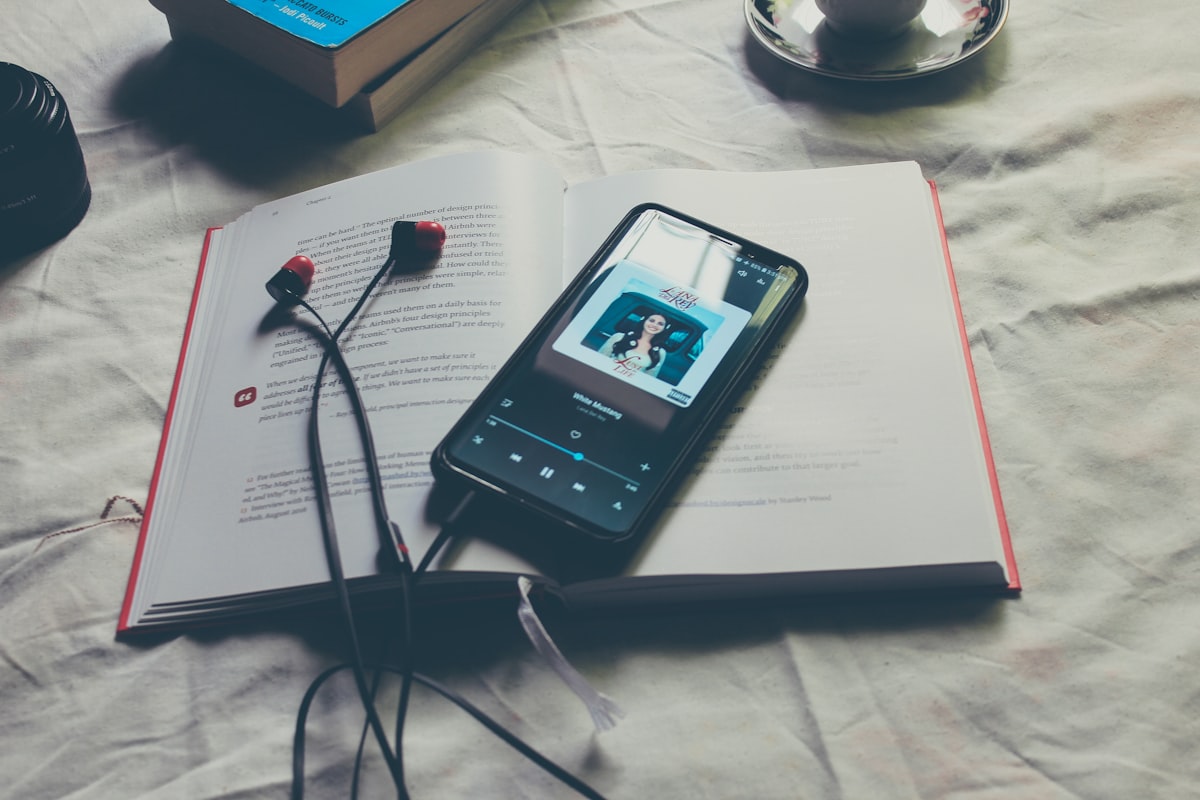
Start with the accusation, because the rule sounds arbitrary until the case is made. A phone on the nightstand is doing three jobs in one rectangle, and none of them is sleep. It’s a light source aimed at your face during the shallow half of the night. It’s a feed engineered to be more interesting than sleep. And it’s work: the inbox, the group chats, the news. That’s not one bad habit; that’s a whole evening’s worth of stimulation in an arm’s reach, and the blue-light setting people argue about addresses maybe a tenth of the actual theft.
The book’s version of the arithmetic is the one that got me: the highest-yield screen rule, the one that changed nights more than any glasses, app, or setting, costs about ten dollars. Not because the clock is magic, but because removing the phone removes the entire decision tree. You can’t doomscroll a device that’s in the kitchen. Willpower is a terrible overnight employee; distance is a reliable one.
There’s a detail from the book that belongs on every nightstand: a man who went to bed at 10:50 just to check the weather for a morning race, and at 11:37 was staring at the ceiling calculating six hours of sleep, with no memory of most of the forty-five minutes between. He wasn’t weak. He was outnumbered, by thousands of engineers whose bonuses depend on that thumb movement. So is everyone. The clock is how you even the odds.
Week one, day by day
Days one and two: the phantom limb. You’ll reach for the phone at the old times, in the elevator of the evening, in bed, on waking. What surprised me most wasn’t the reaching; it was the mood that came with it, a low-grade restlessness, like the evening had lost a co-host. Nothing is wrong. That restlessness is the withdrawal of a slot machine, and it burns off fastest when the hands have something else, a paperback, folded laundry, a crossword. Fill the slot on purpose instead of white-knuckling it.
Day three: the negotiator arrives. This is when the good excuses show up, because the novelty has worn off and the inconvenience is fully priced. I need it for the sleep sounds. I might get an important call. I’ll just check once with the screen facing down. Every one of these is the feed talking in your voice. The counter isn’t an argument; it’s infrastructure: the sound machine on the dresser, the ringer loud enough to carry through the wall, the alarm clock doing its single job. Decide once, during daylight, because the eleven o’clock version of you has no vote.
Days four and five: the quiet gets interesting. For most people, somewhere here, the evenings start feeling longer, in the good sense. Falling asleep happens earlier with no announcement, because the last hour stopped being a stimulation buffet. This is also when the temptation changes shape, from craving the phone to resenting the rule, and both are weather, not climate.
Days six and seven: the evidence. Look at the week’s actual numbers instead of its feelings: how often you fell asleep without a fight, whether the 11:37 ceiling-stare happened, how mornings felt. One relapse night in seven is a typical week-one result, not a failed experiment. The book’s own outcome line for the man with the race was six nights out of seven, and the seventh was a bad-news night that no longer ate an hour as a moral event.
The exceptions, designed before you need them
A rule with no pressure valve breaks in week one, so build the valves on purpose. If the phone is your lifeline to an aging parent, a partner who travels, a sister three time zones away, the honest version of the rule allows exactly two names through with priority notifications, and moves the good part of those conversations earlier in the evening. If you use sleep sounds or a meditation, apply the two-question test: does it end on its own, and does it come with a feed? A dedicated speaker passes. The phone’s app drawer, with its whole casino adjacent to the sound machine, does not.
And tell the house. A rule nobody explained reads as a mood, and I once spent two days with a partner convinced I was angry at him when the actual situation was that my phone now lived with the colander. One sentence at dinner spares a week of decoded silences.
For couples with one convert, the fair version is a basket in the hallway for everyone, because a rule that spares only the rule-maker smells of hypocrisy from another zip code. The kids fold within about four days, the book reports, once the adults go first.
What week two gets to be
If week one’s data is decent, week two isn’t about gritting; it’s about filling. The half hour the feed used to eat is real estate now, and it wants a tenant: a chapter of a novel, a shower, stretching on the floor, the wind-down you always meant to have. The people who keep this rule for years are the ones who furnished the space rather than defending it. The feed will still exist at 7 a.m. Your sleep window won’t.
If you’re still deciding whether to attempt the week at all, should I charge my phone outside the bedroom makes the case in full, and why scrolling keeps you awake explains the mechanism you’ll be escaping. The whole system is in Sleep, Finally.
Frequently asked questions
What do I do about needing my phone as an alarm?
That’s the one job the phone never needed to do. A ten-dollar clock handles it, keeps the single responsibility away from a device carrying a casino, and removes the nightly excuse for keeping the phone in reach. If waking gently matters to you, a sunrise lamp on the dresser is a later refinement, not a week-one requirement.
Is it normal to feel anxious the first few nights without the phone?
Yes, and it’s worth naming precisely: that hum is withdrawal from a feed designed to be checked, plus the phantom habit of a decade. It peaks in the first two or three nights and fades as the evenings fill with something else. Hands want occupation, so give them a paperback or a folding task, and the anxiety loses its slot.
Where should the phone charge instead?
Somewhere reachable in a genuine emergency but unreachable from the pillow: the kitchen, the hallway, the bathroom counter. Loud ringer on, if calls matter. The distance is the entire technology; every version of this rule that keeps the phone at arm’s length keeps the slot machine at arm’s length too.
What if I share a bed with someone who still scrolls?
You can only run your experiment, and it counts. The light from their phone is the smaller thief anyway, and plenty of people report better nights from fixing only their half. The honest ask isn’t compliance, it’s the story: tell them what the week is about, and let the results do the recruiting.
How do I know week one worked?
Look at the week’s data, not its drama: nights you fell asleep without a fight, mornings without the ceiling-stare math, and whether the 11:37 phenomenon showed up. One relapse night is a normal week-one outcome. Six good nights out of seven is a triumph, and the seventh night was always going to have its own weather.
The whole phone-free night system, exceptions and all, is in Sleep, Finally.
This guide is educational, not medical advice. If sleep trouble persists most nights for three months, that pattern deserves a doctor, not a better alarm clock.