Wind-Down Routines
Why Screens Trick Your Brain Into Staying Awake
By Nora Vale · April 30, 2025 · 7 min read
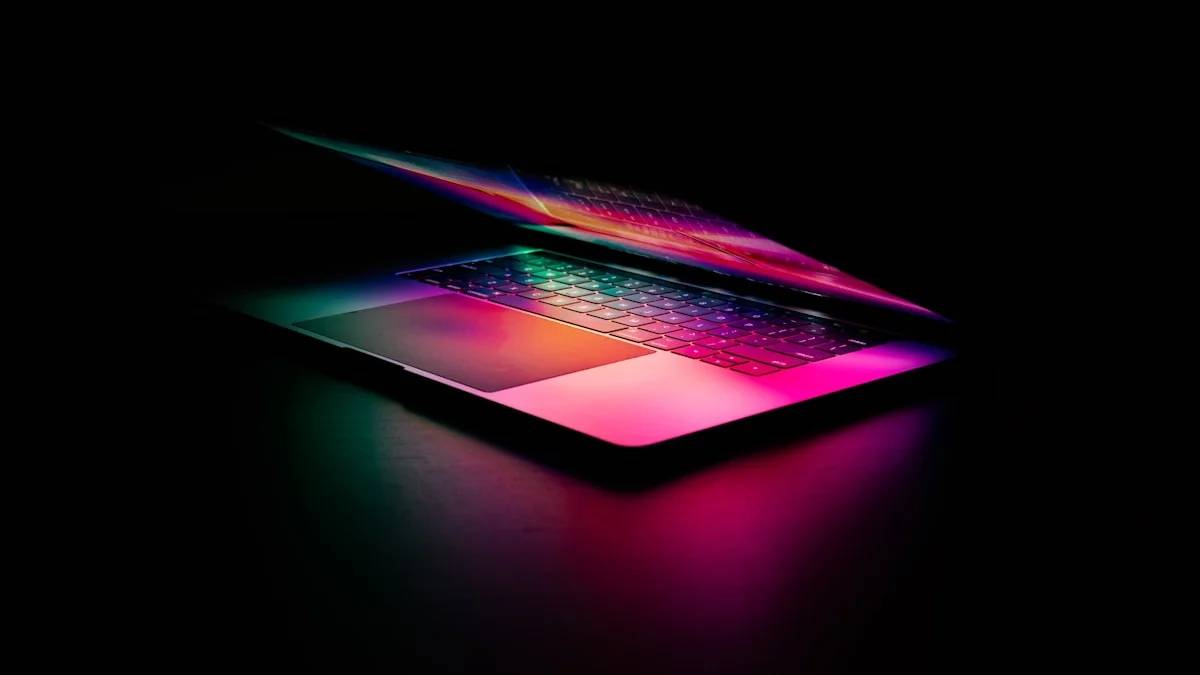
You finish the last episode at 10:40 and the app asks if you’re still watching. You are, technically, because the next one is already loading and your thumb knows the way. At midnight the phone is face-down on your chest and you’re awake, and the strange part is that you wanted to be tired two hours ago.
I did that for years and assumed the problem was discipline. It wasn’t. Screens before bed run a two-part trick on you, light and content, and each part would be manageable alone. Together they quietly move your whole body clock later. The full case for the evening buffer is in the wind-down routine guide, and this page is about the trick itself, because once you see both halves, the fix stops feeling like willpower.
Key takeaways
- Screens work two levers: the light holds melatonin down, and the content keeps the mind awake.
- Evening light pushes your body clock later, so late-night brightness borrows sleep from tomorrow.
- Content is the half most people underestimate; a feed is engineered to be more interesting than sleep.
- Night mode helps with light but does nothing about the feed.
- The fix is boring and free: dim the house, dock the phone outside the bedroom.
The light half: dusk that never arrives
Melatonin is a darkness signal, not a sedative. It starts rising about two hours before your usual bedtime, but only in dim light, because bright light in that window holds the hormone down and quietly shoves the body clock later. That sentence is the entire light problem. When the brightest thing in your 9 p.m. is a screen an inch from your face, you’re telling the gland the sun is still out, and the gland believes you.
The dose matters more than the villainy. A phone at arm’s length in a dark room is a genuinely bright, close-range light source, and hour-long reading on backlit tablets in a famous Brigham and Women’s experiment pushed melatonin onset about ninety minutes late and left people groggier the next morning. A last weather check is not that. But three hours of streaming after dinner is exactly that, and it doesn’t feel like a decision because each episode is one more.
The content half: a feed more interesting than sleep
Light gets all the headlines, and content steals more nights than it does. I noticed this the hard way. One winter I used night mode religiously, screens amber by eight, and I was still wide awake at midnight, because the last hour of my day had been other people’s opinions, a group chat argument, and a documentary about shipwrecks I hadn’t planned to watch. My eyes were dim. My brain was hosting a panel.
That’s the second lever, and it’s the one why scrolling keeps you awake takes apart properly. A feed has no natural stopping point, so the mind you carry to bed is still running: half-finished arguments, someone’s highlight reel, a headline you can’t do anything about at midnight. Wind-down needs the mind to hand over the plot, and the feed keeps writing new scenes until the second you dock the phone. If you want the full anatomy of it, why screen content keeps you awake more than the light covers the mechanism.
Why the trick works: the brain can’t tell dusk from a lamp
The reason this all lands so hard is that your body clock reads light through your eyes and takes it at face value. It has no way to know that the bright rectangle is a letter, not the sun. It just does what lit rooms have meant for most of human history: stay up. Evening light pushes the clock later, morning light pulls it earlier, and a late-pushed clock turns into “I’m just not tired until 1 a.m.” within a couple of weeks.
Here’s the part I got backwards for years. I thought the phone was how I relaxed. What actually happened was a trade: forty minutes of pleasant numbness at the price of a clock that drifted later every week. The numbness was real. So was the bill.
What night mode actually fixes
Night mode and amber filters trim the blue-ish wavelengths your clock is most sensitive to, and that’s worth having because it costs nothing. What they don’t touch is brightness at close range, and they do nothing at all about content. In my own scorecard the filter was the accessory and the docking was the fix. I kept the filter, but the glasses went in a drawer and the phone went to the kitchen, and only one of those moves ever changed a night.
So the honest ranking, from someone who tested all of it: dimming and night mode after dark are good hygiene. A paper book is better. A screen you can’t put down at 11 is the problem no filter solves.
The fix: two moves, both boring
The first move is light, and it happens earlier than you think: after dinner, stop using the big overheads. Lamps, shades half down, nothing in the house brighter than a bedside lamp. That single change makes the screen look like what it is, a searchlight in a dark field, and it starts the melatonin rise on schedule. If rewiring the living room sounds like a project, how to dim your home for sleep without rewiring is the ten-minute version.
The second move is distance: the phone charges somewhere that isn’t your bedroom, and a ten-dollar alarm clock takes over the morning. Not a ban, a border. You can scroll until docking time, then the feed goes to bed in the kitchen. The first few nights your hand heads for the nightstand and finds nothing, and it feels absurdly dramatic, like leaving the house without keys. That part lasted about four nights for me. What came after was the drowsiest evening in years. If the docking keeps failing, the alarm clock swap that ends the phone excuses is the piece that made it stick for me.
Then give the last hour something with an ending. Twenty pages of a novel. Audiobooks count if you want sound without a screen. The point isn’t virtue, it’s handing the mind a story that closes instead of one that reloads. For the screen-free menu, there’s a whole list of things to do before bed instead of scrolling.
What this won’t do
One honest limit: none of this works as a one-night experiment. Move the light earlier and dock the phone tonight, and you’ll likely sleep the same tonight. The clock shifts over days, and the payoff shows up in the second and third week, which is exactly when nobody is watching for it. If you sleep fine and enjoy a show until eleven, you may not need any of this. This is for the person who keeps saying “I’m just a night owl” while yawning through the afternoon. That was me, and the owl turned out to be a lamp.
Frequently asked questions
Does night mode make screens before bed safe?
It helps a little and it fixes the wrong half. Night mode trims the light, but the content keeps the mind working, and for most people the content is the bigger thief. Dim it and dock it.
How long before bed should I stop using screens?
The practical version is to dock the phone when your wind-down starts, thirty to sixty minutes before bed. The light matters most in the last two hours, when melatonin is trying to rise.
Is reading on a tablet as bad as scrolling?
Reading is calmer content, but a backlit tablet held close is still a bright rectangle. Paper wins, a dim e-ink reader is a fair stand-in, and a bright tablet at midnight is the worst of the three.
What if my whole job happens on a screen at night?
Then fix what you control. Dim the room around the screen, dock the phone earlier, and keep the feed out of the last hour. A screen you have to use beats a feed you scroll for sport.
Tonight’s version is two sentences long. After dinner, the big lights go off and the lamps go on. At wind-down time, the phone plugs in somewhere you can hear it ring but not reach it from bed. The rest is repetition, and the whole system, including the evening menu, is in Sleep, Finally.
This guide is educational, not medical advice. If sleep problems persist for months or wreck your days, see a doctor.