Adenosine and Caffeine: A Receipt Not a Gift
Adenosine caffeine explains the afternoon crash and the 2 a.m. wake-up: caffeine doesn't erase sleepiness, it hides the receipt. Here's how the debt works.
Adenosine caffeine explains the afternoon crash and the 2 a.m. wake-up: caffeine doesn't erase sleepiness, it hides the receipt. Here's how the debt works.
The 5-6 hour rule for when to stop drinking coffee, why it undershoots for a lot of people, and the two-week experiment that finds your real cutoff.
Why 6 pm coffee lingers: caffeine's half-life runs five to six hours, so a quarter of the dose is still in your blood past 3 AM. Here's the math and your cutoff.
How long does caffeine stay in your system: the 5-6 hour half-life, the 2 a.m. quarter-cup math, and the two-week cutoff experiment that finds your own number.

Iced coffee at night runs on the same caffeine math as hot coffee, plus a serving-size trap. The half-life math, the hidden milligrams, and the cutoff that works.
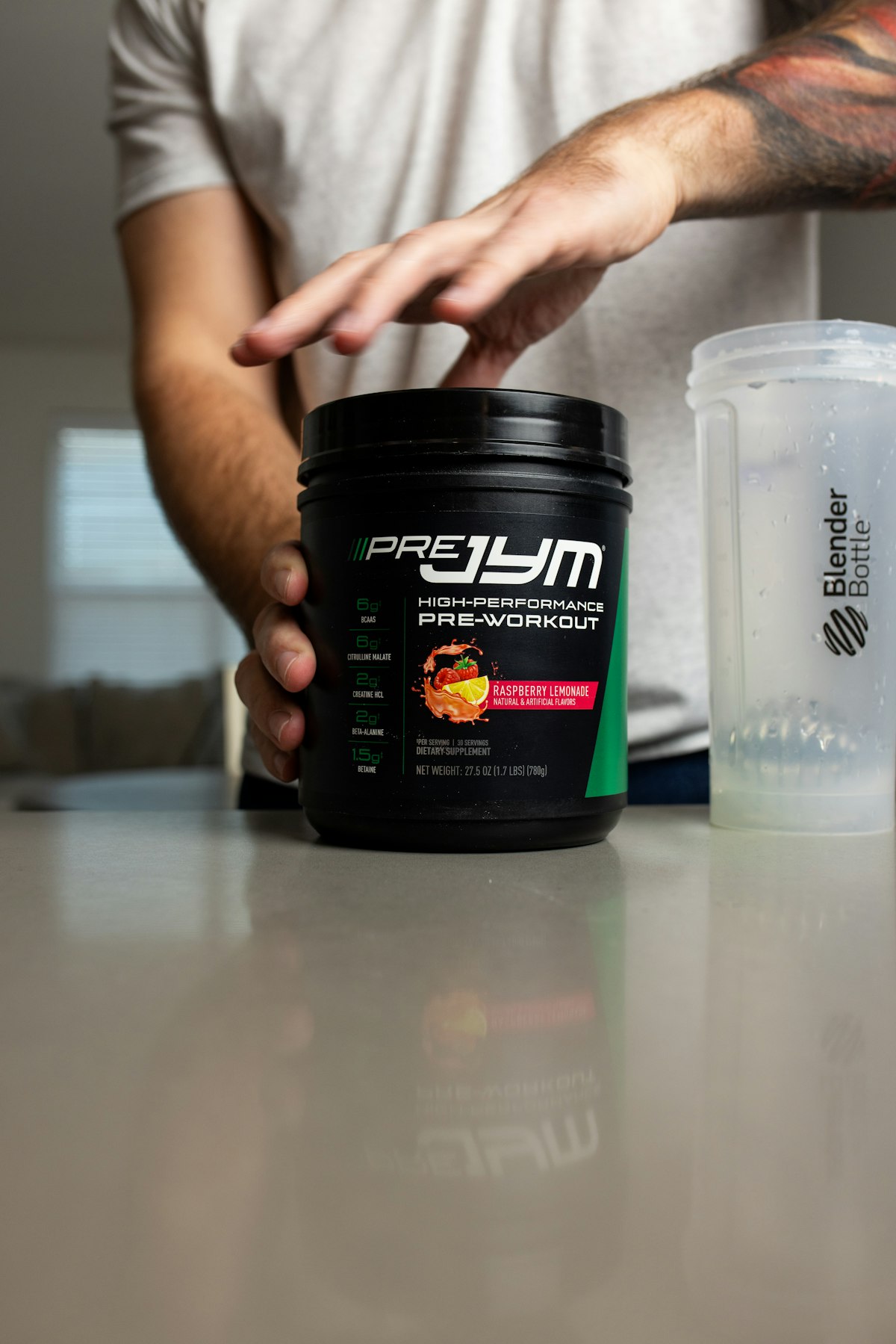
Fast slow metabolizers drink the same coffee and have different nights. Here are two caffeine rules that fit your liver, not the average person's.
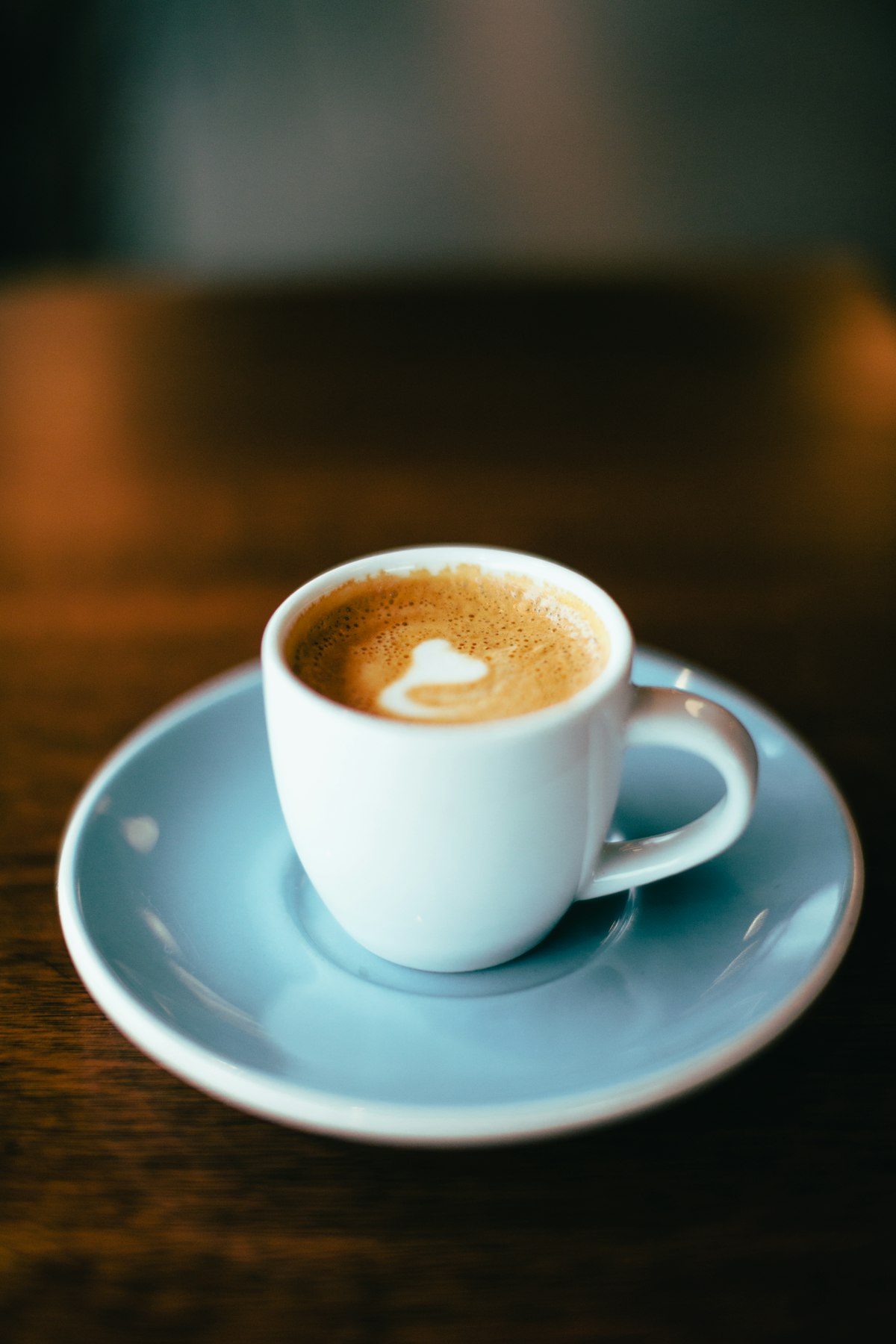
What one afternoon cup costs your deep sleep: the half-life math behind caffeine deep sleep debt, the 2 a.m. bill, and the cutoff that protects the deepest hours.
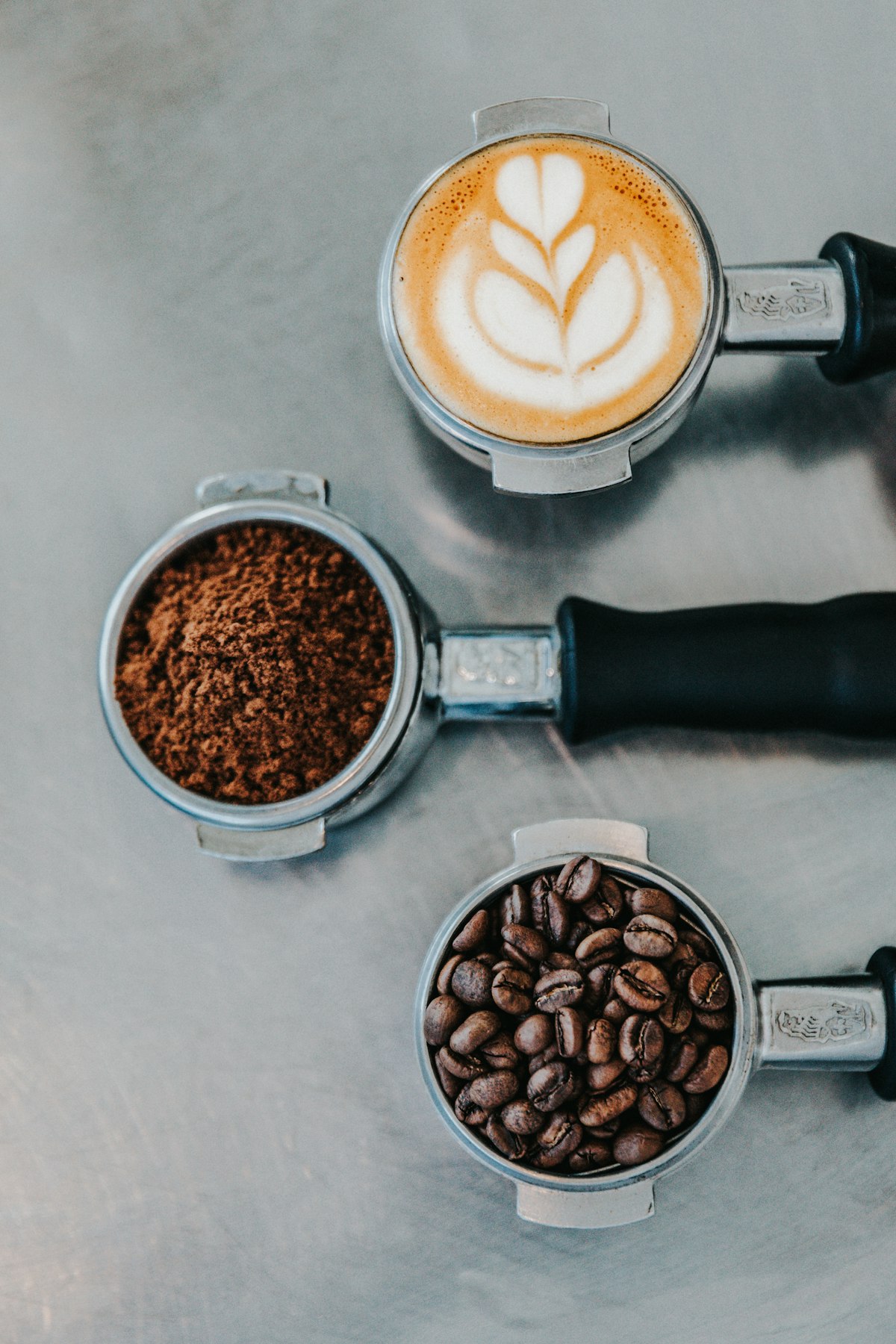
Coffee 2pm 3pm: does moving your last cup one hour earlier actually change your sleep? The half-life math, the honest answer, and the two-week test.
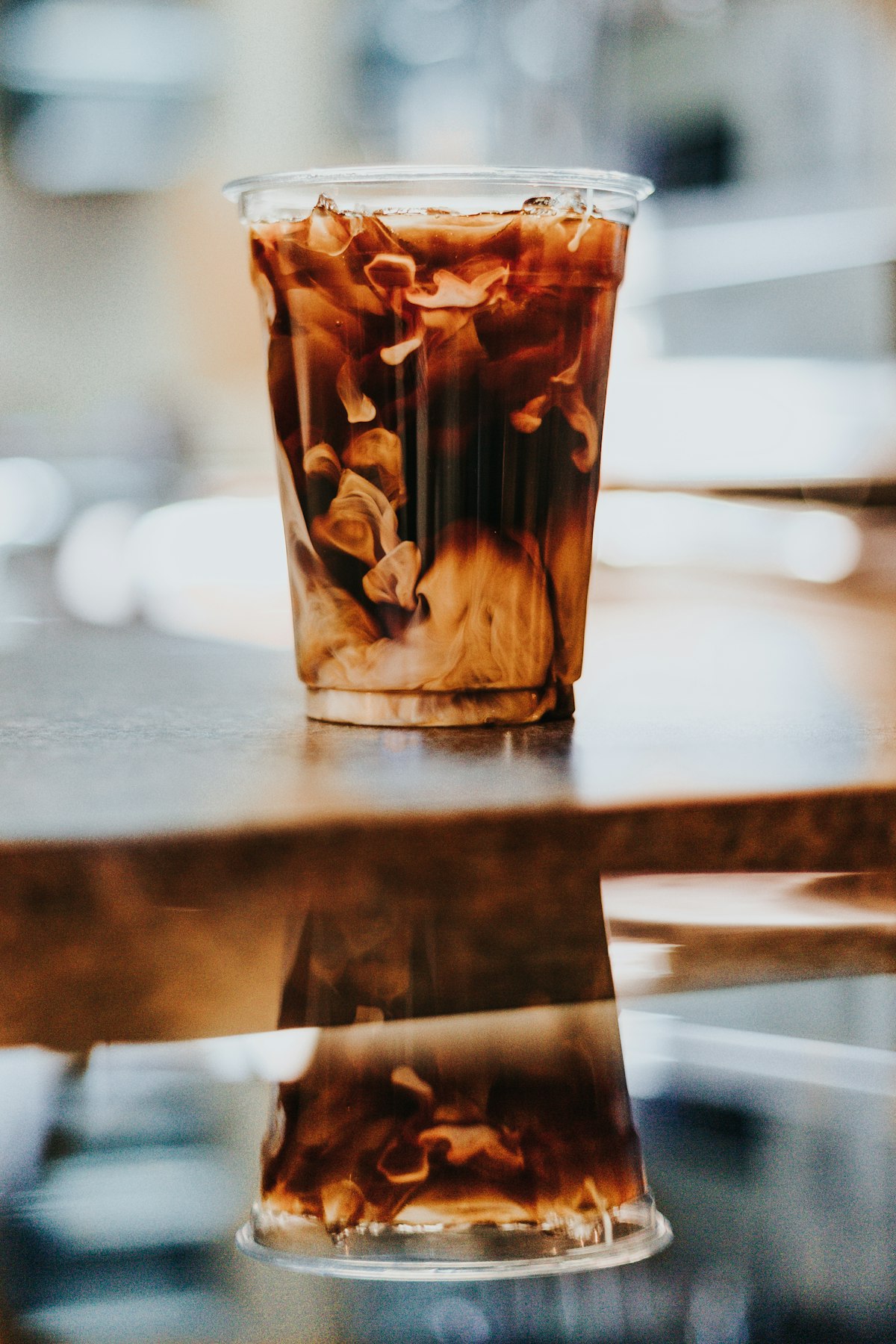
Cold brew vs hot coffee matters less than the clock. What actually decides whether your cup follows you to bedtime, from caffeine content to half-life math.

Some pain relievers pack 65 mg of caffeine per tablet. How the hidden caffeine in evening painkillers stacks against your sleep, what to check, and what to swap.