Waking Up at 3 A.M.
How Light Should Your Middle-of-Night Room Be
By Nora Vale · June 12, 2026 · 6 min read
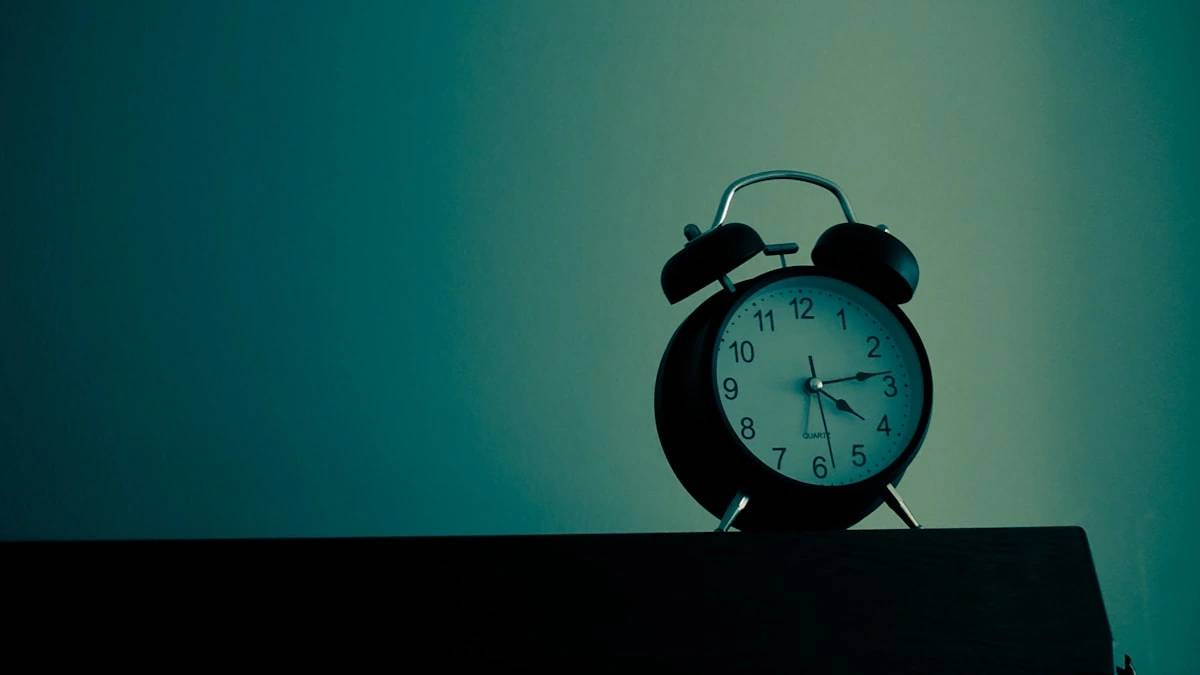
One bad-sleep winter, I lay in bed and counted the small glowing lights in my bedroom. Seven. A router, an alarm clock, a television idling in standby, two phone chargers, and a smoke detector blinking green at the ceiling, every one of them bright enough that I could have read by its light if reading had been the plan. None of it looked like a problem, which is exactly why it took me another year to connect those pinpricks to the fact that my brain never quite slid under. The midnight light level of your room is not a mood. It’s a dose, and it’s being administered to your retinas all night.
The wake-up itself, and what to do during it, lives in the waking up at 3am guide. This piece is about what the room is doing while you surface.
Key takeaways
- Your retinas keep reporting illumination to the brain all night, whether or not you consciously notice it.
- The hand test: lights off, five minutes of adaptation, hold your hand in front of your face. Clear hand means too much light.
- The most damaging midnight light is the one you show yourself: a phone screen during a wake-up can convert a five-minute surfacing into a two-hour waking.
- The cheap fixes cost about two dollars: tape over LEDs, a sticky note on the clock, a mask for streetlight.
- A night-light is legitimate if safety requires one; make it small, warm, low, and out of the sight line.
Why the dose matters even with your eyes closed
Light is the loudest signal in the room, even when the room is silent. “Your retinas keep reporting illumination to the brain long after you’ve stopped consciously noticing it, and the brain takes every report at face value, because for most of human history a lit room meant daytime, and daytime meant stay up.” That report doesn’t require your attention. It runs on its own, all night, quietly arguing that the day is still running.
This is why the glow you stopped seeing is still on the payroll. Your eyes keep adapting for about twenty minutes after lights-out, which is why a bedroom that seemed fine when you walked in can still be bright enough to matter by midnight. What counts is the light that stays: standby dots, window glow, the charger across the room. The streetlight stripe you’ve gone blind to is on shift the whole time.
And there’s a second, sharper cost that shows up only when you wake. A brief surfacing between sleep cycles usually ends by itself, three minutes, forgotten by morning. But a wake-up spent in a lit room, or worse, spent looking at a screen, gets attached to alertness, and the surfacing becomes a waking. The light you see at 3 a.m. is not neutral scenery. It’s input.
The hand test
Here’s the test I use: “stand in the finished room with the lights off, give your eyes five minutes to adapt, then hold your hand up in front of your face. If you can see it clearly, there’s too much light; if you can only find it by waving, you’re close.” That’s the entire standard, and it beats any lux number you could buy a meter for, because it’s calibrated by the same eyes that will be doing the sleeping.
Run it at your real bedtime, not on a Sunday afternoon, and run it after you’ve fixed the obvious things, because the eye adapts so well that the room will always seem fine at first glance. The test works precisely because it forces the adaptation to finish before you judge.
Fixing the room, cheapest first
Start with the LEDs. “Electrical tape over the router light, a folded sticky note on the clock face, a small square of masking tape over the television’s standby eye. This costs about two dollars and takes ten minutes, and it’s the closest thing to free sleep improvement I know.” My husband thought the taped-over router looked ridiculous for about a week, and then he stopped noticing it, the way you stop noticing everything once the room is actually dark. Guests don’t judge your bedroom at midnight. They aren’t there.
Then the window, if a streetlight or a porch light is the leak: a dark blanket pinned over the frame, foil pressed flat against the glass, or a proper blackout setup if you’re ready for the weekend project. The full shopping and installation logic lives in best blackout curtains for light sleepers. If the window isn’t yours to fix, a sleep mask costs less than most people’s monthly snack budget and works on business trips forever.
One more thing belongs in this section: the phone. “Even face-down, it lights up when a message lands, and a dark room with a glowing rectangle on the nightstand isn’t a dark room, it’s a dim one with a notification habit.” For tonight, it can charge across the room. Permanently, the kitchen is better, and the reasons run past the light.
The 3 a.m. rules, light edition
Because the wake-up is the hour when light does its sharpest damage, the room has to hold up without your judgment. You’re not going to decide anything sensible at 3:14, so the decisions need to be made in daylight.
No clocks visible: turn the display away and cover the glow, because the time check starts the math and the math fuels arousal. The phone stays wherever you rehomed it, beyond arm’s reach and out of sight, because the screen during the shallow half of the night is a light source, a feed, and a job arriving in one rectangle. If you need to move around the house, keep the trip dim on purpose: the dimmest lamp in the house, not the hallway overhead, because brightness tells your body clock that morning has arrived, and the whole trick is letting the night run until sleep wants you back.
If safety or a small child requires a night-light, that’s legitimate, and the design rule is the same one as the tape: small, warm-colored, low, placed along the path rather than aimed at the bed. The goal was never zero photons. The goal was a room that stops reporting daytime.
What the dark room can’t fix
Honest limits. A properly dark room is the floor of the fix, not the whole fix. My own bedroom was once the best-behaved room in the house, blackout curtains, fan, thermostat down, and I still spent midnights running a slow inventory of every awkward thing I’ve said since high school. If the wake-up comes with a mind that starts litigating, the dark room keeps it small but doesn’t dismiss it, and the tools for that hour, the shuffle and the twenty-minute exit, live in how to fall back asleep at night and should you get out of bed when you can’t sleep.
And if you’re waking most nights for months, struggling to get back down, that pattern deserves a doctor conversation rather than another roll of tape. The dark room is the first move, not the last one.
Frequently asked questions
How dark should my bedroom be in the middle of the night?
Dark enough that you can’t see your own hand. Lights off, five minutes for your eyes to adapt, then the hand test: clearly visible means too much light, findable only by waving means you’re close.
Why does light matter at 3 a.m. if I’m already asleep?
Retinas report illumination to the brain all night, noticed or not, so background glow keeps telling the brain the day is running. And light you see during a wake-up attaches alertness to a surfacing that would otherwise end on its own.
Is a dim night-light okay?
If safety requires it, yes. Make it small, warm-colored, and low, placed to light the path rather than the bed. The aim is a room that stops reporting daytime, not an absolute zero.
What’s the cheapest way to cut midnight light?
Tape over LED dots, a sticky note on the clock face, and a sleep mask for streetlight: about two dollars and ten minutes. The phone moves out of the bedroom entirely, which costs nothing at all.
Tonight’s version: run the hand test, tape the three brightest dots, and put the phone across the room. The full system, worksheets included, is in Sleep, Finally.
This guide is educational, not medical advice. If sleep problems persist for months or wreck your days, see a doctor.