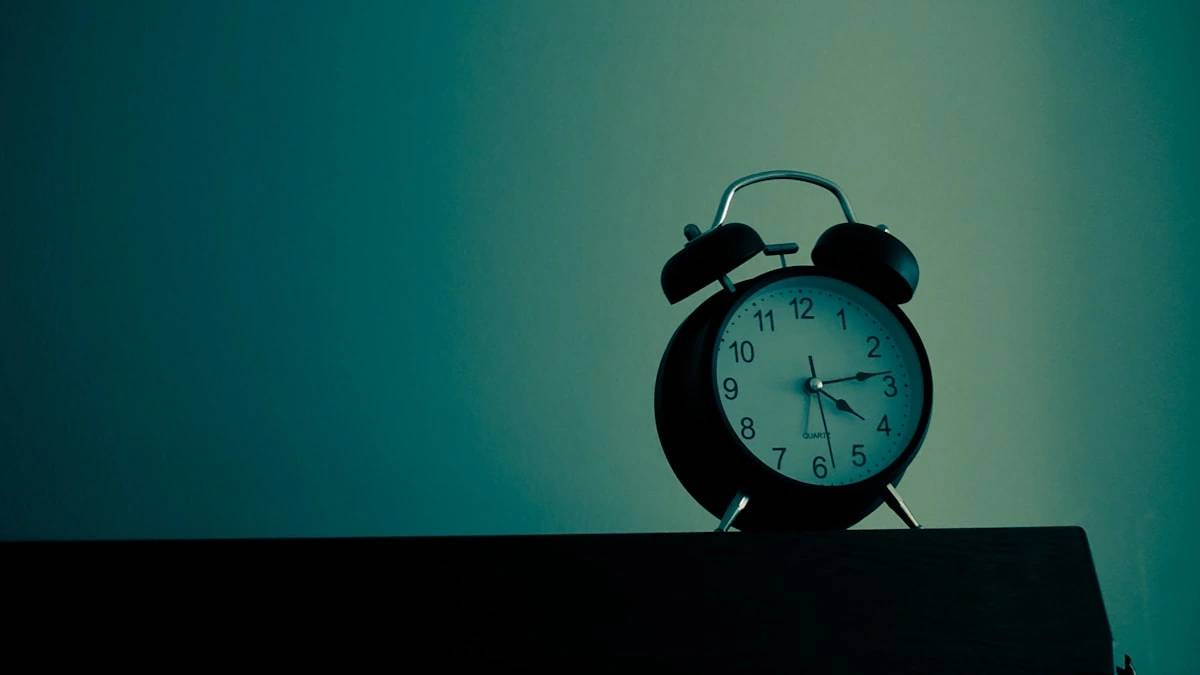
Why Clock-Watching Makes Insomnia Worse
Clock-watching at night feeds insomnia with time math: you check for reassurance and get a bill instead. Here's why the 3am count backfires and what to do instead.
Clock-watching at night feeds insomnia with time math: you check for reassurance and get a bill instead. Here's why the 3am count backfires and what to do instead.

The 3am math spiral, from pension arithmetic to the alarm countdown: why time math fuels wakefulness, and the rules that starve the spiral instead.

Deep sleep comes first because sleep pressure is highest at bedtime: the body banks its heavy repair early, then trades toward REM. What that means for your nights.

Sleep inertia after a 3am wake-up is a thick-headed hangover from waking out of deep or REM sleep. Why fog happens, why the clock check feeds it, and what clears it.

Sleep cycles explained plainly: why nights run in ninety-minute laps, why you surface between them, and why 3 a.m. is the shallow end of the pool, not a curse.

One waking long night: the ordinary mistakes that stretch a five-minute surfacing into two hours of ceiling math, and what to do instead at each fork.
Sleep restriction in CBT-I caps time in bed near your actual average sleep, then stretches it back out. Why deliberately sleeping less rebuilds consolidated nights.
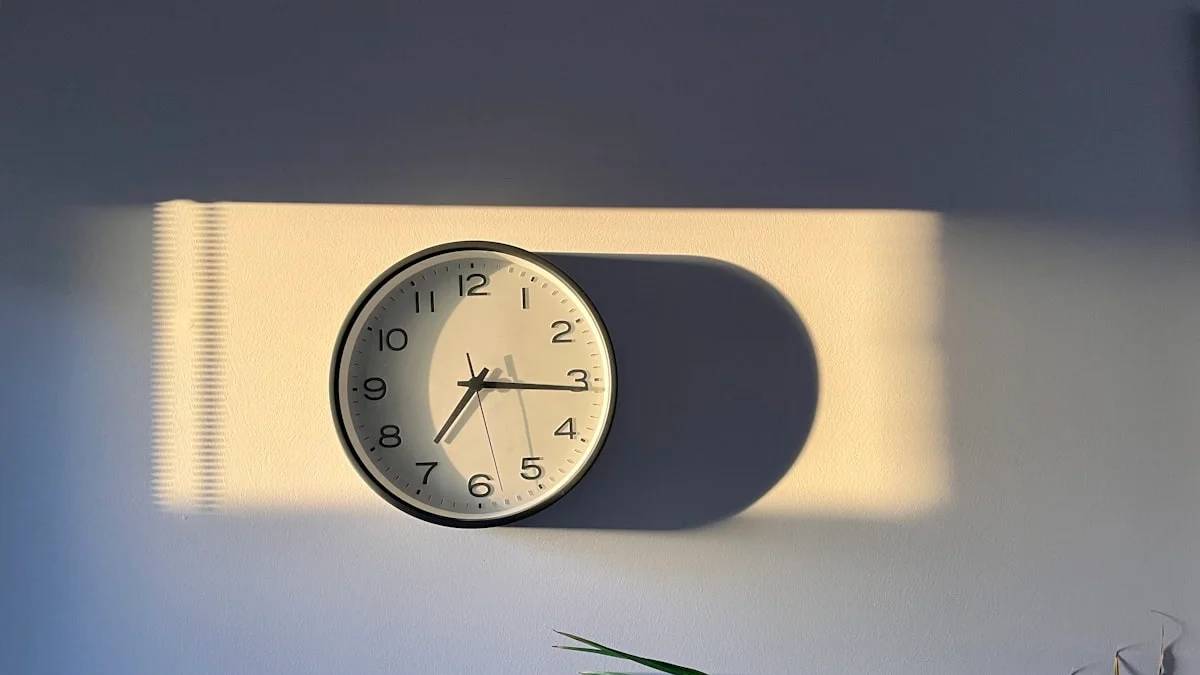
The cortisol wave at 3am explains the timing: alertness chemistry climbs toward morning while sleep runs shallow. Why the hour is biology, not a curse.
Wakings become chronic at three or more nights a week for three months. Where that line sits, what sleep-maintenance insomnia is, and why CBT-I beats willpower.

How to survive the day after a bad night without wrecking the next one: keep the wake time, get daylight, skip the rescue coffee, and refuse the 8:30 bedtime.