Screens & Sleep
Night Mode: Does It Actually Help Sleep
By Nora Vale · November 16, 2025 · 7 min read
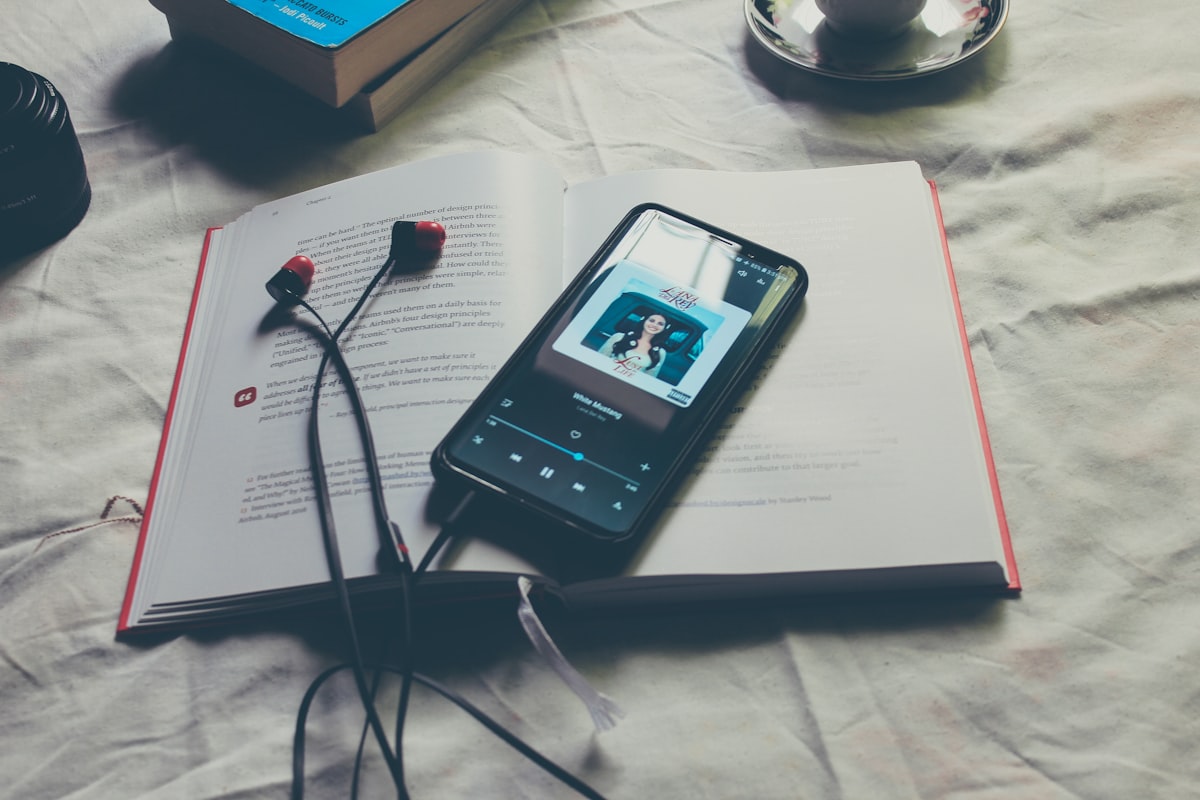
The night I tested this properly, my phone was amber as a candle flame, brightness two steps from zero, and I still surfaced from a scroll at 11:20 with my heart going like I’d read a breakup text. Warm glow, calm colors, and a fully awake brain. That mismatch is the whole story of night mode, and it took me an embarrassing number of evenings to notice.
If you’re asking whether night mode helps, the honest answer is yes, a little, and less than the setting’s own name implies. It belongs in the plan, just not where most people put it, which is in the place of an actual decision about the last hour. The full picture of how screens eat nights lives in the screens and sleep guide; this post is about the glow specifically.
Key takeaways
- Night mode has a real but modest effect: it treats the light half of the problem, which is the smaller half.
- The content on the screen and the minutes the feed eats do more damage than the glow, and no setting hands those back.
- It costs nothing, so keep it on, just don’t count it as a fix.
- Distance and an ending beat any setting: phone in the kitchen, reading that stops on its own.
Does night mode help, or just dim the problem
The mechanism it touches is real. Photons arriving at the back of your eye after dark tell the ancient timing equipment in your brain that the day is still running, so melatonin, the hormone that starts opening the door to sleep, holds off until the light goes away. Bright evening light presses pause on that release, which pushes your whole schedule later. Not forever. Tonight, and every tonight it gets the chance.
Night mode shifts the screen’s colors warmer and cuts a chunk of the blue arriving at that equipment. That part works as advertised. Your display genuinely emits less of the wavelengths your body clock reads as daylight, and it costs nothing, so there’s no argument against it. I run it on a sunset schedule on every device I own and never think about it again.
What it doesn’t do is turn the screen into paper. A phone in night mode is a dimmer lamp pointed at your face, not a candle. The display still glows, still sits a foot away, still keeps a light source live in a room whose whole job is going dark. That’s the honest size of the effect: real, modest, worth keeping, and incapable of doing more than its one job.
The dose problem the glow can’t fix
Here’s the arithmetic that keeps the panic about screens in proportion. Full daylight runs around ten thousand lux. A brightly lit office manages fewer than five hundred. A phone at arm’s length sits far below either, even at full brightness, and most of us dim it further in a dark room anyway. An hour of evening daylight delivers more light to your body clock than an entire night of scrolling does.
That’s why the famous 2015 experiment from Brigham and Women’s Hospital needs its dose attached. People read for hours before bed on light-emitting tablets or printed books. The tablet readers’ melatonin arrived about ninety minutes late, they took roughly ten minutes longer to fall asleep, and their clocks shifted later. Real results, worth respecting. The dose was hours of bright, close-range light night after night. Night mode on an ordinary evening is a different animal entirely, and expecting it to carry the whole defense is like buying sunscreen for a candle.
I bought the glasses version of this hope once, amber plastic instead of amber pixels, and they did roughly nothing. The phone moved to the kitchen the same season and my evenings changed shape within a week. Only one of those two moves ever mattered, and it was the one that removed the light source instead of repainting it.
The thief the warm glow never touches
The reason night mode feels disappointing in practice is that light was only ever half the problem. Your brain doesn’t respond to screens as glowing rectangles. It responds to what’s on them. A feed asks your brain a question with every swipe: is this worth replying to, should this annoy me, who liked the photo. Each answer is a small dose of alertness, and alertness is the exact opposite of what eleven at night is for. If the content wakes your mind up, it barely matters that the screen is dim, and if the feed eats forty-five minutes, no night-mode setting hands them back.
Then there’s the third piece, the one that wears a work badge. The inbox, the school group, the client who emails at nine. Every one arrives on someone else’s timing and assigns you a small task with a small deadline. That’s not a light problem. That’s a night shift with worse hours, and night mode doesn’t shorten the shift; it just makes the office amber.
My amber-candle night up top is the pattern in miniature. Nothing about the glow kept me awake. The thread did, the maybe on the next swipe did, and the setting sat there doing its modest job while the real thief worked. If your last hour is a scroll, the honest sentence is that night mode redecorated a room you shouldn’t be in. The reason scrolling keeps you awake has nothing to do with wavelength.
Where night mode fits in an evening that works
Keep it, in its place. The place is: automatic, after sunset, on every screen, and never mistaken for a decision. Around it, the moves that actually pay, in the order I’d rank them.
The big one costs ten dollars. A real alarm clock lets the phone sleep somewhere that isn’t your nightstand, and one move handles both thieves: the light source leaves pillow range and the job retires for the night. Mine charges on the kitchen counter beside the fruit bowl, sent there when the wind-down starts, decided at nine while the eleven o’clock version of me has no vote. If the full move feels too big, charging it across the room is an honest first step, and charging your phone outside the bedroom covers the logistics.
The second is a line drawn by type, not by color: nothing with an infinite scroll in the final hour, even dimmed, even in a warm sepia glow. That single rule beats every setting combined. Fill the slot the feed leaves with something that ends on its own, paper or an e-reader or audio with a timer, and the light question mostly answers itself, because a basic e-reader before bed at low light is a dose closer to a lamp than to a tablet.
And a free one most people skip: turn off auto-play. “Auto-play is a setting, not weather.” Two minutes, tonight, and the next episode stops choosing itself at the exact moment your judgment used to.
The honest limit, so you can plan around it: night mode can’t rescue an hour that’s already spent. If you scroll until midnight, the glow isn’t the reason Thursday hurts, and dimming at 11:30 is locking the barn after the horse has taken your parking spot. The setting protects the hour you haven’t spent yet. Nothing protects the one you spent.
Frequently asked questions
Does night mode actually help you sleep?
A little, and it’s free, so keep it. It trims the light half of the screen problem, which is real but modest for ordinary evening use, since a phone at arm’s length is a small dose next to daylight or office lighting. The bigger damage comes from what’s on the screen and how long you stay on it, which the setting never touches.
Should I use night mode if it’s only half a fix?
Yes. Half of a small problem, handled for nothing, is a fine deal. The mistake is letting the amber glow license a final-hour scroll, which is where the actual cost lives. Night mode plus a feed-free last hour covers both halves; night mode alone covers the smaller one.
Does night mode block all blue light?
No. It warms the colors and cuts a chunk of the blue, but the display still emits light straight at your face, and some of the wavelengths your body clock reads as day still arrive. Think of it as lowering the volume, not muting it.
Why did I sleep badly even with night mode on?
Because the glow probably wasn’t what kept you up. Content that provokes a reaction, small tasks arriving from other people’s schedules, and the forty-five minutes a feed can eat will wreck a night through the warmest palette ever designed. My own worst evening on record happened in full amber.
Is a warmer screen or a dimmer screen better?
Dimmer wins, if you’re picking one. Brightness determines how much light arrives at your eye in total; the warm shift changes the mix of wavelengths. If you can only do one, drop the brightness, and if you can do both, do both once on a schedule and stop thinking about it.
The feed refills itself overnight and waits at seven a.m. with the same appetite it had at eleven, glow or no glow. Your sleep window is the only thing in the arrangement that closes. Keep night mode on, and give it a job it can actually do: guarding an hour that doesn’t have a feed in it.
This guide is educational, not medical advice. If sleep trouble persists most nights for months, a doctor is the right door.