Screens & Sleep
Scrolling and Arguments Before Bed: A Sleep Tax
By Nora Vale · July 30, 2025 · 7 min read
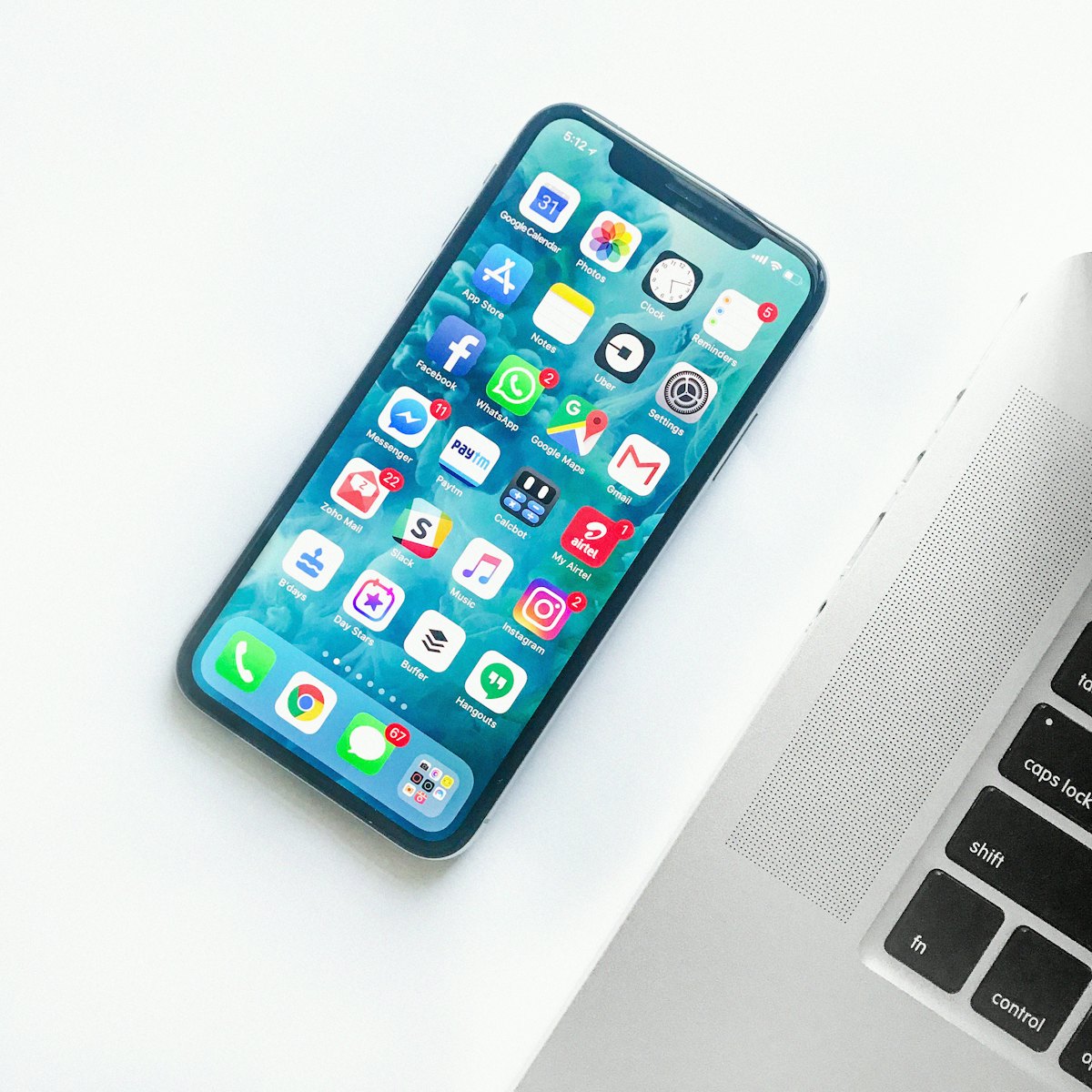
You put the phone down at 10:55, and the room goes dark, and none of it goes quiet. Someone was confidently wrong in a reply section, and now your brain is drafting the counterargument into the ceiling. This is the specific tax of scrolling arguments bed style: you didn’t stay up late arguing, you just read the argument, and your nervous system pays the bill anyway. The frame that helped me was this: the phone is two thieves working together, one thief is light, and the other is a job. An argument at night is the job thief working overtime. The whole two-thief story is in the screens and sleep guide, and this post is about the thief who gets triggered by one bad thread.
Key takeaways
- A feed is a slot machine that asks your brain a question with every swipe, and your brain answers even when you’d rather it didn’t.
- An argument in the replies is a small emergency, and a small emergency is the opposite of the drowsy, bored state sleep has to find you in.
- Night mode doesn’t cover this. Content beats photons: if the content wakes your mind up, it barely matters that the screen is dim.
- Notifications run the same mechanism: somebody tapping your shoulder at a time they chose.
- The fix is unglamorous: no feeds in the final hour, and the phone charging somewhere it can’t be reached from the pillow.
Why the argument follows you into the dark
Your brain doesn’t respond to the phone as a glowing rectangle. It responds to what’s on it, and most of what’s on it at night is built to provoke a reaction. An argument in the replies. A feed with no bottom. Each one is a small emergency, and a small emergency is the opposite of the drowsy, bored state your mind has to be in before sleep will come meet it.
The swipe itself is the delivery system. The feed is a slot machine that asks your brain a question with every swipe: is this worth replying to, should this annoy me, who liked my photo. Each answer is small, but each one is a small dose of alertness. A disagreement is the largest dose in the whole feed, because your brain treats being contradicted by a stranger as a problem that needs solving, and it keeps solving it after the phone is face-down on the nightstand.
Then there’s the version where the screen is work. The inbox, the school group, the one client who emails at nine, the boss who just quickly needs an answer. Every one of those arrives on someone else’s timing and assigns you a small task with a deadline attached. That’s not a light problem. That’s a night shift with worse hours.
Night mode can’t save you from this one
This is where the popular advice fails, and I say that as someone who bought the glasses and watched them do roughly nothing. Light matters, and the 2015 Brigham and Women’s Hospital study is real: people reading on light-emitting tablets for hours before bed had their melatonin arrive about ninety minutes late, took roughly ten minutes longer to fall asleep, and spent less of the night in REM sleep. But notice the dose, because the dose is the story. That result came from hours of bright, close-range light, not from one glance at tomorrow’s weather.
The argument doesn’t work through your eyes in the way the panic stories claim. It works through your mind. If the content wakes your mind up, it barely matters that the screen is dim, and if the feed eats forty-five minutes, no night-mode setting hands them back. I dimmed everything for years while the bigger thief walked out the front door with my whole night.
Pooled media studies on children and teenagers back the same reading: the average effect of screens on sleep comes out small, and the damage that does show up traces mostly to content that keeps minds switched on, and time spent scrolling that should have been spent asleep. Adults aren’t a different species.
The forty-five minutes that felt like five
Tyler told me his version at a neighborhood barbecue, sheepish and precise. At 10:50 he got into bed and opened his phone to check the weather for a morning run. While he had the thing open, he checked the news. A senator had said a thing. The replies were worse than the thing. At 11:37 he looked up at the ceiling, doing the math on six hours of sleep, with no memory of most of the previous forty-five minutes.
Ask him what he got out of it and he’ll tell you the truth: nothing. He didn’t enjoy it. Nobody enjoys it. The scroll keeps going because every swipe carries a maybe, and an unpredictable reward is the most compelling kind there is. Thousands of very good engineers, with bonuses tied to his thumb, refined that design for a decade. Tyler wasn’t weak. He was outnumbered, and neither are you.
Notice what the theft took, too. Not sleep onset so much as the night itself: a shorter night, a groggy Thursday, a coffee ramp starting a little earlier every month. If your 3 a.m. tends to open with a replay of whatever you read last night, why your brain wakes up when you lie down covers the machinery, and why scrolling keeps you awake is the general version of this post.
What actually reduces the tax
The rules here are dull, which is why they work.
- No infinite scroll in the final hour. Even dimmed, even in a warm sepia glow. That’s the line I’d actually draw: feeds rather than photons. The e-reader stays, the phone displaying a book goes, because a phone displaying a book has an entire arcade one swipe away, and at 10:40 you know exactly which one wins.
- Give the argument somewhere else to live. If you read something that sets you off, don’t litigate it in bed. Write the reply on paper for morning handling, the same move as the worry page, then take a duller job to the dark. The draft at midnight is never as sharp as it thinks.
- Dock the phone. The highest-yield screen rule I know, the one that changed my nights more than any glasses, app, or setting, costs about ten dollars. A real alarm clock, and the phone charging on the kitchen counter. Decide at nine where the phone sleeps, and the eleven o’clock version of you never gets a vote.
- Turn the shoulder-taps off. Each notification is somebody tapping your shoulder at a time they chose, and almost none of it has ever mattered by morning. Nothing genuine arrives at 10:40 p.m. that can’t survive until breakfast.
If the phone is genuinely your connection to people at night, the docking rule needs a replacement planned in advance: “I’m gone after ten” is a sentence adults are allowed to send, and most phones can be told to let exactly two names through after a set hour. A rule you keep beats a rule you admire.
Honest limits
You will read an argument at night again. A bad news week gets everyone; Tyler still loses an hour about once out of seven nights, and he starts over without treating it like a moral event. The realistic ceiling for most humans is six nights out of seven, and the point of knowing the mechanism is that the seventh night doesn’t turn into a two-night spiral.
Also, the feed is not your enemy in a personal way and this isn’t a discipline story. The feed refills itself overnight with fresh arguments, fresh clips, and a new stranger being confidently wrong about pasta water. None of it expires. None of it needs you by morning. Your sleep window is the only thing in the arrangement that closes: the feed will still exist at 7 a.m. Your sleep window won’t. If heavy evening screen use is tangled up with anxiety that runs deeper than a thread, why anxiety is worse at night is the honest companion piece, and three months of most-nights trouble deserves a doctor rather than a phone rule.
Frequently asked questions
Why do arguments I scroll at night keep me awake?
Because a disagreement is the strongest small dose of alertness the feed sells. Your brain answers the question every swipe asks, and it keeps composing the reply after you put the phone down. Alertness at eleven at night is the exact opposite of what the hour is for.
Doesn’t night mode fix the scrolling problem?
Night mode treats the light thief, which is the smaller one. If the content wakes your mind up, it barely matters that the screen is dim, and if the feed eats forty-five minutes, no night-mode setting hands them back.
How long before bed should I stop scrolling?
My line is feeds rather than photons: nothing with an infinite scroll in the final hour, even dimmed. Passive things that can end on their own, a rerun you’ve already seen or audio with a timer, are the gentle end of the screen spectrum.
What should I do if I already read something upsetting?
Don’t argue with it under the duvet. Write the reply on paper for morning, then give the mind a boring job in the dark. A brain at 3 a.m. catastrophizes; treat its conclusions as unreliable drafts, not decisions.
Where should the phone charge instead of the nightstand?
Somewhere the feed needs shoes to reach. Mine lives on the kitchen counter beside the fruit bowl and goes there when the wind-down starts, not later when I’m already negotiating with myself. If the full move feels too big tonight, charging it across the room is an honest first step.
A ten-dollar clock, the allow-list trick, and the whole wind-down menu are in Sleep, Finally. The feed will wait until morning. It always does.
This guide is educational, not medical advice. If stress at night feels bigger than a habit problem, or sleep trouble has lasted three months or more, a doctor is the right next step.