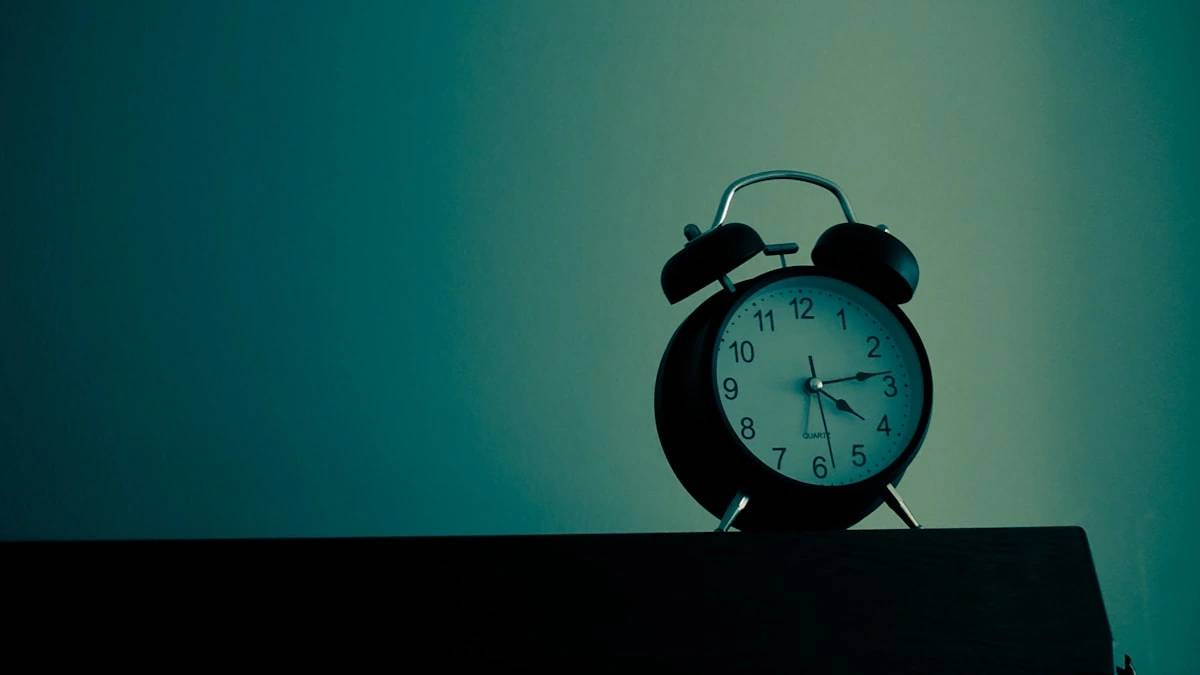
Waking Up at 3 A.M.
night waking recovery: what it actually looks like
By Nora Vale · May 19, 2026 · 7 min read

Recovery from night waking has a marketing problem. The version sold to you is a night with no wakings at all, and by that standard almost everyone fails. The real version is quieter: the wakings still come, but they stay small, they stop turning into arguments, and somewhere in the second week they start thinning out. That difference is the whole method, and it has a face.
Sofia is a nurse in the book behind this site, and her story is the most honest picture of night waking recovery I know, because her schedule was rigged against her from the start. The frame it sits in is in the 3 a.m. waking guide. Here’s what her recovery actually looked like, step by step.
Key takeaways
- Night waking recovery means wakings that stay small, not wakings that disappear.
- The twenty-minute rule gives you a script to follow instead of a fight to win.
- The first week or two feels like defeat, and that’s the untraining curve, not a prognosis.
- A fixed wake time anchors the recovery and matters most after bad nights.
- Trust a protocol over a feeling. Feelings come around once the results do.
The problem: precious nights, furious mornings
Sofia’s sleep ran on a rotating schedule she didn’t choose, and her nights off were rare enough to feel rationed. For years she spent those precious nights lying awake at 2 or 3, furious, running her own version of the classic math: seven hours until the kids wake up, six and a half, six. The fury was the problem. She had been using the bed as a rehearsal room for tomorrow’s disasters, and the more precious the night off, the louder the rehearsal got.
That’s worth pausing on, because it’s the trap most of us build ourselves. The rarer good sleep gets, the harder we grip it, and the grip is arousal. The bed becomes a cue for alertness the way a dentist’s chair is a cue for dread before anyone turns the drill on. Nothing about her biology was broken. The setup was.
The script: twenty minutes, then up
What Sofia credits is the twenty-minute rule giving her a script to follow instead of a fight to win. When she surfaced and stayed surfaced past roughly twenty minutes, she got up, went to the kitchen, and read old paperbacks under the forty-watt bulb over the kitchen table, sometimes with a chamomile tea she didn’t even like. Some nights, four pages. Other nights she read forty and alphabetized the spice rack, and either way the bed stayed a place where sleep happened rather than a place where she lost arguments with herself. Within a couple of weeks, her nights off stopped feeling like exams.
I asked her, in the book’s telling, whether standing in the kitchen at 3 a.m. felt like defeat, and for the first week it absolutely did. What changed, she said, was the arithmetic: twenty boring minutes downstairs, traded against two hours of ceiling math and a morning of self-recrimination. She had been a nurse long enough to trust a protocol over a feeling. The twenty-minute rule is a protocol. Feelings came around once the results did.
The rules behind her script are the four rules of stimulus control, and they’re laid out plainly in what is stimulus control. The timing details, why twenty minutes is the get-up cue, are in how long falling back asleep should take. Sofia’s version adds nothing exotic. The script matters more than the specifics, and it asks for nothing but patience and a dim lamp.
The part that feels like giving up
Now the honest cost, because a recovery story that hides it reads like an ad. Getting out of bed in the middle of the night feels like surrender, like you’ve lost to your own brain, and the first stretch genuinely makes nights worse: more time awake, more standing in a dim kitchen feeling ridiculous, more arithmetic performed vertically. Plenty of people quit right there. I nearly did.
What kept me going was understanding the shape of the curve. You’re untraining an association that took months to build, so the first rough nights measure the untraining rather than your prognosis, and the awkwardness usually starts breaking up somewhere in the second week. The method asks you to take the option that feels worse on faith for a little while. If the first week passes and every night still feels like a defeat, that’s information rather than a verdict, and a seven-day log turns the vague complaint into evidence you can actually use.
The quiet minute that nobody markets
There’s a moment in this method that deserves more billing than it gets: the one where you’re standing up, still half-drunk with sleep, walking your own body back to bed. That minute is the win. It means the waking stayed small, the bed stayed honest, and the night is still yours even though it opened an eye in the middle. You did nothing clever to get there. You declined three invitations, and the invitations were panic, check, and solve.
Going back should feel like nothing at all: no puzzle to solve, no scoreboard to check, and no last chance ticking away in the dark. The bed is just the place where sleep happens. It happened at 11. It’s about to happen again. The bed you get back into at 3:40 should feel slightly boring.
And the morning anchors all of it: same wake time regardless of how the night went, daylight early, no rescue coffee at noon. That single kept habit is why one rough night costs one rough day instead of the whole week. For the shift-work version of Sofia’s problem, night shift sleep tips covers the harder schedule honestly.
If wakings run three or more nights a week for three months, the self-help version of this has done what it can, and what is cbt-i is the structured treatment worth asking for by name. Otherwise, recovery looks like Sofia’s: a script, a dim lamp, a paperback, and mornings that stop holding court.
Frequently asked questions
What does recovery from night waking actually look like?
Not waking less, at first. It’s the wakings staying small: you follow a script, keep the bed honest, and stop converting five-minute surfacings into two-hour arguments. The wakings then thin out on their own.
How long does night waking recovery take?
The first week or two genuinely makes nights worse, and the awkwardness usually starts breaking up somewhere in the second week. That’s the untraining curve, not your prognosis.
What is the twenty-minute rule for night waking?
Estimate fifteen to twenty minutes awake in bed. If you’re still awake past that, get up, do something dim and boring elsewhere, and return only when you feel truly sleepy.
Should I use sleep aids during night waking recovery?
The method asks for patience and a dim lamp rather than equipment. Anything beyond that, especially anything with a dose, is a conversation for a doctor, not a purchase.
Sofia’s story is one of several in Sleep, Finally, where the whole method costs a ten-dollar alarm clock and a dim bulb.
This guide is educational, not medical advice. If sleep problems persist for months or wreck your days, see a doctor.