Screens & Sleep
The Show That Auto-Played: A Bedtime Story
By Nora Vale · April 9, 2025 · 7 min read

It’s 12:40 on a Wednesday and you’re watching a man dig a hole in the woods at increased speed. You stopped liking the show two episodes ago. You can’t explain why you’re still on the couch, and the honest answer is that nobody asked you to stay, because when the credits rolled the service counted down from five and pressed play for you.
That was Megan’s version of the night a show auto-played its way past her bedtime, one episode of a thriller at ten that became three. The whole screens-and-sleep conversation is bigger than streaming, and the screens and sleep guide maps all of it, but a show that queues itself deserves its own story, because it steals the night in a way that never feels like a decision.
Key takeaways
- Auto-play is a settings change, not a personality flaw. It takes under two minutes to turn off, and it hands the decision back at the exact moment you’re worst at choosing.
- Cliffhangers work like infinite scroll: a hook placed where your judgment used to be. Rewatches can’t ambush you.
- The light from a television across the room is a modest thief compared to the feed on a phone. Content beats photons.
- The couch stays the couch. Watching in bed costs more than the episode.
The night a show auto-played everything
Megan’s story runs on a small mechanical detail. She’d watch one episode of a thriller at ten, and when the credits rolled the service counted down from five and started the next one on its own. “I wasn’t even choosing it,” she told me. “It just auto-played.” Three episodes later it was 12:40, and she was watching that man dig that hole, no longer liking the show much, unable to say why she was still there.
Ask her what she got out of the extra episodes and she’ll tell you the truth: nothing. Nobody enjoys this part. The scroll and the auto-play are the same design wearing different clothes, a hook placed exactly where your decision used to be, and an unpredictable reward is the most compelling kind there is. You’re not weak for losing track of time in one. You’re inside a machine that was tuned, item by item, until people like you stopped noticing the hour.
What showed up the next day wasn’t classic insomnia. She fell asleep eventually, the way everybody does. What showed up was a shorter night, a groggy morning, and a coffee ramp that started a little earlier every month.
The two-minute fix that actually works
“Auto-play is a setting, not weather.” You can turn it off tonight, for free, in under two minutes, in the playback settings of the app you already use. I’d nominate it as the best two minutes available in this whole conversation after the ten-dollar alarm clock, because it doesn’t take the show away, it takes the default away.
Megan turned auto-play off, kept the show, and started finishing episodes on her own schedule. The first night she reached for the remote out of habit, found nothing queued, and read for twenty minutes instead, which she calls the first free twenty minutes she’d had since the show started. Some nights that still meant two episodes. Most nights it meant one. That’s the whole size of the win, and it compounds weekly.
There’s no product attached to this fix, which is part of why you hear so little about it. Night mode has a marketing budget. A settings toggle doesn’t.
Why the rerun is the honest choice
A word on the rewatch, which Megan taught me without meaning to. Old episodes, shows you’ve already seen, documentaries about rivets, the television equivalent of a warm bath: familiar stuff doesn’t carry a hook, because you already know who dug the hole. Producers save their best ambush for the unknown. A rerun can’t ambush you.
If you’re going to watch at night anyway, the rerun is the honest choice, and I stopped pretending otherwise years ago. New thrillers happen earlier in the evening, on purpose, with a hard stop. Pick the mellow end of the menu when you pick at all.
One honest limit before this reads like a permit. Passive doesn’t mean harmless, it means gentler. Three episodes of anything still pushes lights-out past midnight, and no amount of rerun logic refunds the hour. The fix caps the damage; it doesn’t make late television free.
Keep the couch where the couch is
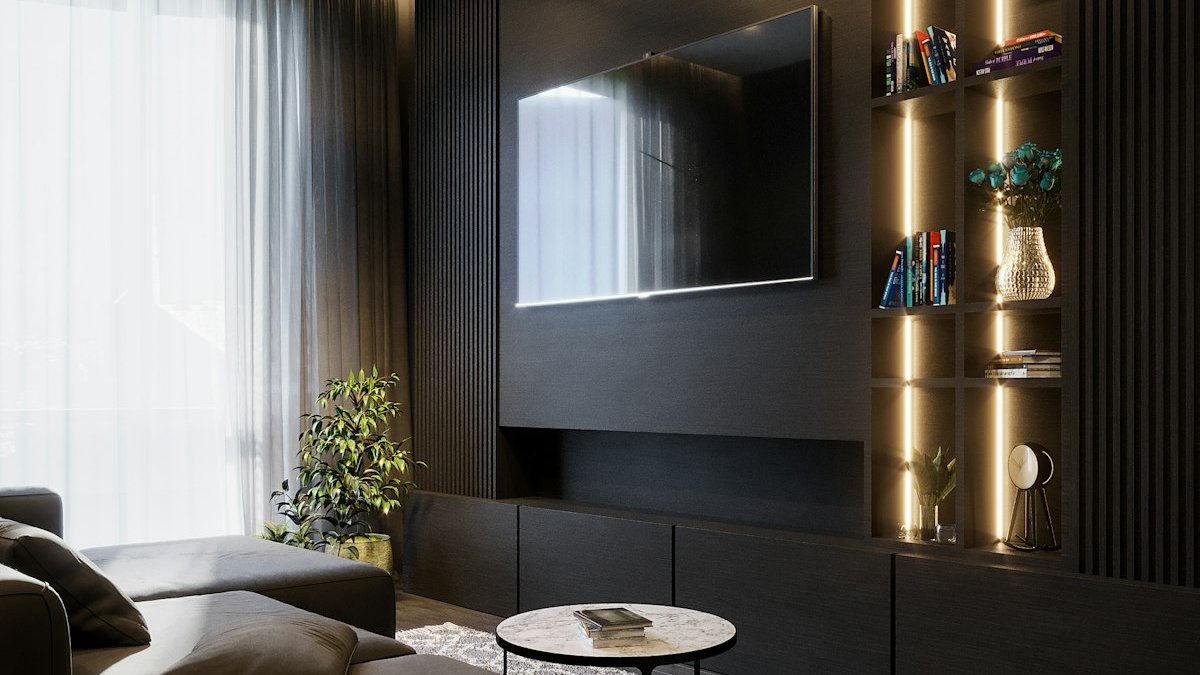
The bedroom rule matters more than the streaming rule. A show you chose, watched in the living room with the lights low, is passive content, and passive is the gentle end of the screen spectrum. The interactive stuff, the replying, posting, and refreshing, is what holds your mind in third gear. An hour of a calm cooking competition is not in the same weight class as forty-five minutes of the replies.
But the bedroom is where you’re supposed to stop being interesting to yourself for a while, and a device built to hold attention doesn’t belong in that contest. If your phone has been running the same auto-play scam from the pillow, why scrolling keeps you awake takes that one apart, and should I charge my phone outside the bedroom covers the fix that changed my own nights more than any setting. If the show has been standing in for an actual wind-down, the half hour you fill on purpose is what the evening was missing, and how to wind down before bed has the full menu.
And if your evenings are already screen-heavy on every front, does screen time affect sleep walks the whole ledger, light and content both.
Frequently asked questions
Is watching a show before bed bad for sleep?
Not automatically. A show you chose, in the living room, with the lights low, is passive content and the gentle end of the screen spectrum. The real costs are auto-play, cliffhangers, and the bedroom itself, where a device built to hold attention wins a contest it shouldn’t be allowed to enter. Fix those three and a nightly episode is a defensible habit.
How do I stop shows from auto-playing?
Open the playback settings in your streaming app and turn auto-play off for the next episode. It’s free, it takes under two minutes, and it removes the countdown from five that presses play where your decision used to be. Pair it with the rewatch rule and most of the damage disappears.
What should I watch late at night?
Rewatches, familiar shows, documentaries about rivets. Old episodes carry no cliffhanger because nothing in them is unknown, so they can’t ambush you into a fourth episode. Save the tense new thriller for earlier in the evening, on purpose, with a hard stop.
Does the blue light from the TV matter more than the show?
Far less than advertised. A screen across the room delivers a modest dose of light compared to a phone at arm’s length, and an hour of scrolling beats any television on the light ledger. The content and the clock do the damage: the show that starts the next episode on its own at midnight costs more than any glow.
The feed, streaming or scrolling, refills itself overnight and waits with the same appetite at seven a.m. The only thing in this arrangement that closes is your sleep window, so take the two minutes tonight: auto-play off, remote on the couch table, and the decision stays yours.
This guide is educational, not medical advice. If sleep problems persist for months despite sane evenings, see a doctor.