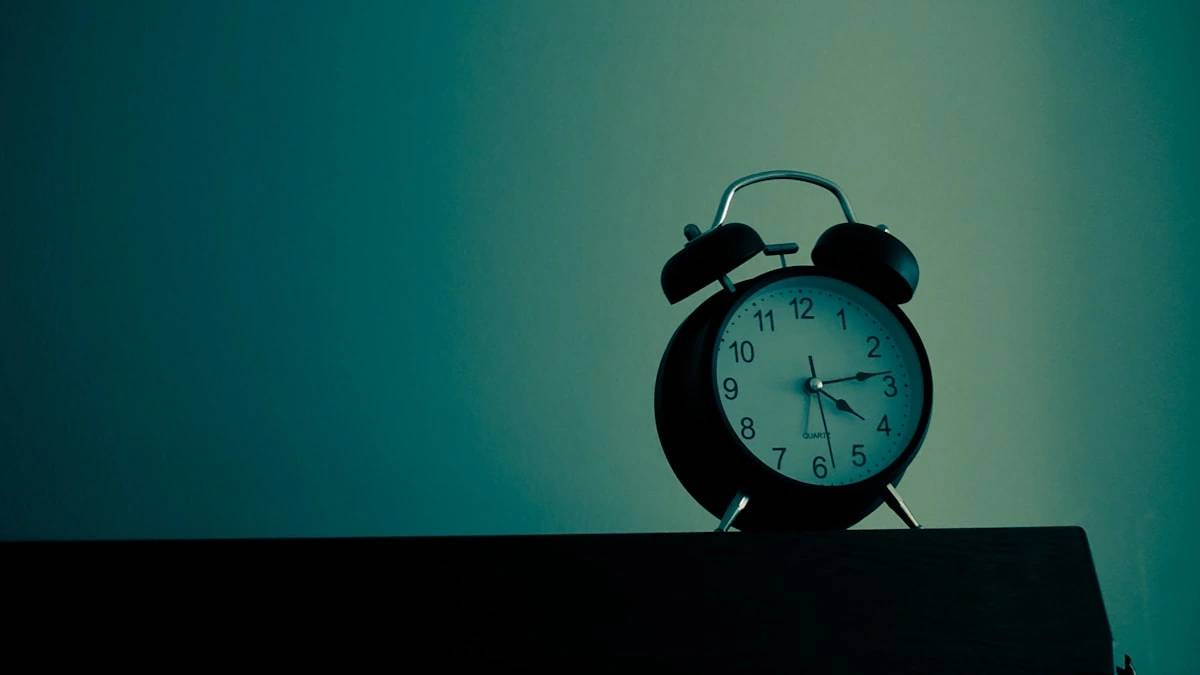
Waking Up at 3 A.M.
Waking Up to Pee: When Is It a Problem
By Nora Vale · January 7, 2026 · 7 min read
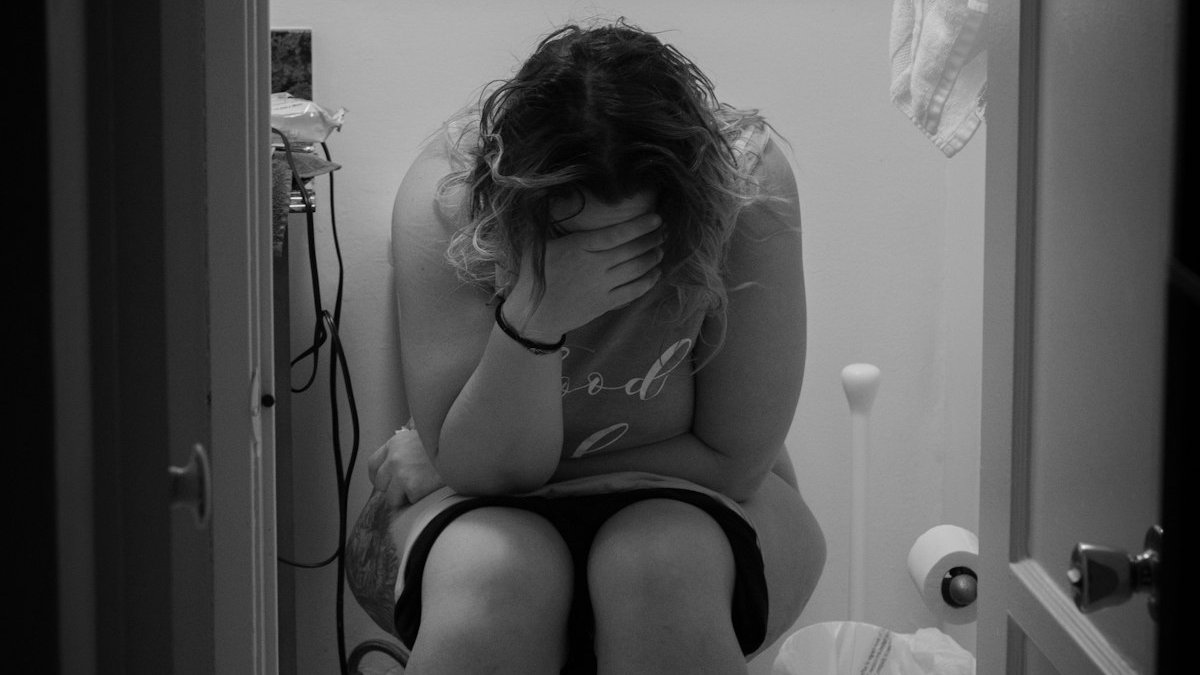
Here’s the part of the 3 a.m. bathroom trip nobody mentions on the way back: the trip itself took four minutes. The other hour and fifty-six minutes were spent lying in the dark doing arithmetic about how many hours remain before the alarm, which means the problem was never really the bladder. It was the waking that decided to stay. I write this as a person who spent a decade treating my own night wakings as a bladder problem, a character problem, and anything except what they mostly were: ordinary surfacings that something kept attaching to.
So let’s split the question in two, because waking to pee is really two questions wearing one robe. Is the waking normal? Usually. Is staying awake after it normal? No, and that’s the part you can actually work on. The full anatomy of night wakings is in my guide to waking up at 3am, and this post covers the bathroom-shaped version of it.
Key takeaways
- One bathroom trip a night is common and usually unremarkable. The issue is whether you fall back asleep.
- The trip gets expensive through attachments: light, clock checks, and a catastrophizing brain, not through the bladder itself.
- Keep the trip dim and boring: no big lights, no phone, no time math.
- Evening drinks, alcohol, and caffeine all increase the odds of the trip and of staying awake after it.
- Multiple nightly trips, or trips with thirst, swelling, snoring pauses, or real daytime cost, are doctor conversations.
What’s normal and what’s the bladder’s business
First, the reassuring part. Sleep runs in cycles, and between them people surface briefly, most often in the second half of the night when sleep is lighter. Most of those surfacings last under a few minutes and get forgotten by morning. Waking once to use the bathroom usually means one of those surfacings happened to coincide with a bladder that had a genuine report to file, and that combination becomes more common with age for ordinary anatomical reasons.
The evening’s contributions are also ordinary, and they’re the levers you actually hold. Liquids in the last hour before bed buy the bladder an early shift it didn’t need, which is why the standard advice is to ease off fluids in that final hour. Alcohol does double damage: it suppresses the hormone that concentrates urine overnight and it fragments the second half of the night anyway, so a nightcap is a reliable factory for the bathroom-and-awake combination. Caffeine has a diuretic tail that runs longer than people expect, so an afternoon coffee can be invoicing you at midnight.
One honest note about what this post can’t do: it can’t tell you whether your kidneys, prostate, hormones, or anything else are involved, because that answer takes an examination. What it can do is describe the ordinary version, the flags that point away from ordinary, and the repair for the part that happens after the trip.
Why one trip becomes two hours
The trip becomes a waking through three attachments, and none of them is urine. The first is light: flipping on the bathroom’s brightest fixture at 3 a.m. tells your body clock that morning has arrived, which is the exact opposite of the message you want sent. The second is the clock check, the reflexive roll toward the time, because you check for reassurance and get a bill instead. The third is the brain itself, which at 3 a.m. catastrophizes, treating its conclusions as unreliable drafts, not decisions. The bladder hands you a wake-up, and the clock and the catastrophizer turn it into a seminar.
Kevin, an accountant whose 3 a.m. spiral is the case I think of here, wasn’t brought awake by his bladder. But the shape of what happened next is the same machinery: within minutes of surfacing, the mind was running a full agenda, pension projections, an old form from 2019, everything except sleep. If a bathroom trip is the thing that starts that engine, the fix isn’t hydraulic. It’s keeping the whole event so dim and boring that the engine never gets its key.
The repair, concretely: nightlight or dim hallway, no overheads, no phone screen, no clock face in sight, and back to bed with the same low expectations you’d have at any other hour. If you’re still awake after what you honestly estimate is fifteen to twenty minutes, that’s the cue to get up and do something genuinely dull in genuinely dim light elsewhere until real sleepiness returns. Hopeful doesn’t count as sleepy. The fuller version of those rules is in the stimulus control walkthrough, and it applies to bathroom-shaped wakings the same as any other.
When it stops being ordinary
Now the part I take seriously, and I’d rather draw the line sharply than have you find it yourself. Several patterns move this from routine to worth-a-doctor, and none of them is a verdict, they’re just door signs. Waking multiple times every night to urinate. Producing noticeably more urine than your intake seems to explain, especially with new thirst. Swelling in the legs. Trips that started alongside loud snoring, pauses, or gasping, because untreated apnea is famous for producing exactly this nighttime urine pattern. Pelvic pain or discomfort. And any of it arriving together with a daytime cost you can name.
That last clause matters more than it sounds. The threshold that turns any sleep complaint into a medical conversation is trouble sleeping, from any cause, three or more nights a week for three months, with a daytime cost. The bladder doesn’t get an exemption from that logic. If you’re wrecked by Wednesdays, the number of trips is almost beside the point.
Practical prep if you go: a simple tally for a week or two, trips per night and rough times, plus what you drank in the evenings. That converts “I’m up all night peeing,” which is a feeling, into five trips a night between 2 and 4 for the last two weeks, which is a finding. Doctors work in minutes. Evidence respects their time. The guide to what to tell your doctor about insomnia covers the rest of the bag, log, medication list, and the sentence to say.
The honest limits of the dim-and-boring fix
Keeping the trip dim and boring reliably shortens the waking that follows, and it does nothing about the number of trips. If your body is producing the urine, the trip is coming regardless, and the fix upstream of the bladder is a clinician’s department, not a bedtime routine’s. I’d rather hand you that boundary than let a hallway nightlight take credit it hasn’t earned.
It’s also worth naming the failure mode of this advice: lying in bed doing sleep math about whether you’ve been awake for exactly twenty minutes. The estimate is supposed to be honest, not measured. If you genuinely can’t tell whether twenty minutes have gone by, you’re usually close enough to sleep that drifting off is back on the table, which is the method working. And getting up twice in one night is normal. Three times happens too. Neither one means the method is failing.
The whole system, including the night-waking protocols and the log, is in Sleep, Finally. Tonight’s version is three moves: liquids eased off after dinner, the bathroom path dimmed, and the clock turned around.
This guide is educational, not medical advice. If sleep problems persist for months or wreck your days, see a doctor.
Frequently asked questions
Is waking up once a night to pee normal?
Usually, yes. Brief wakings between sleep cycles are standard equipment, and a bathroom trip on one of them is common, especially after a certain age or a large evening drink. The issue isn’t the trip. It’s whether you fall back asleep afterward.
Why does one bathroom trip turn into two hours awake?
The trip is brief, but what attaches to it often isn’t: light exposure on the way, a glance at the clock, and a brain that starts doing arithmetic. A 3 a.m. brain catastrophizes, so treat its conclusions as unreliable drafts, not decisions, and keep the whole trip as dim and boring as possible.
What can I do tonight to stop the bathroom trip from wrecking the night?
Ease off liquids in the last hour before bed, dim the hallway and bathroom light, and skip the clock check. If you’re still awake after fifteen to twenty minutes, get up and do something dull in dim light until real sleepiness returns.
When is waking to pee a medical problem?
If it happens multiple times every night, if you’re producing far more urine than you drink, if it comes with thirst, swelling, snoring with pauses, or pelvic symptoms, or if the daytime cost is real. Those patterns belong with a doctor, who can tell ordinary from not.
Does alcohol or caffeine make it worse?
Both. Alcohol suppresses the hormone that concentrates urine and fragments the second half of the night anyway, and caffeine is a diuretic with a long tail. An evening drink is a reliable factory for the 2:40 bathroom-and-awake combination.