Screens & Sleep
Why Phone Alarms Make Mornings Worse
By Nora Vale · October 6, 2025 · 7 min read
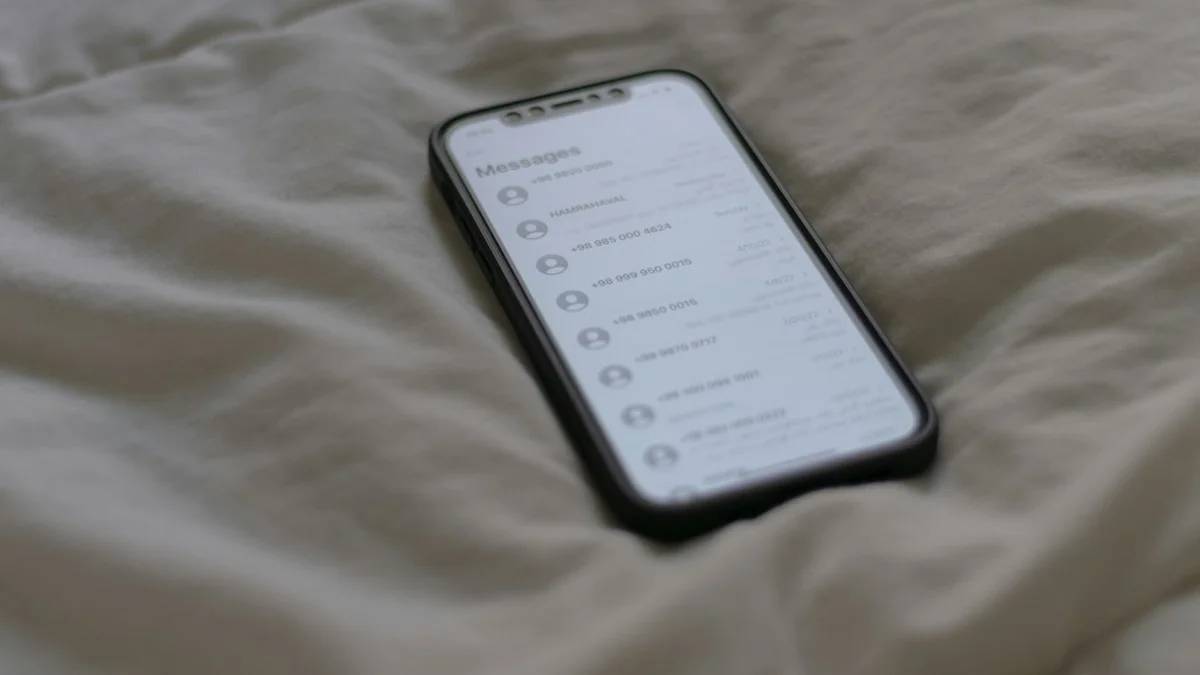
I spent three years defending my phone’s alarm like a lawyer who knew the client was guilty. It charged six inches from my pillow the whole time, because nobody ever questions the alarm clock, and my mornings had that sandpaper texture I’d stopped even noticing until it was gone. The thing that finally changed them cost ten dollars and doesn’t connect to anything.
Here’s the claim of this post, stated plainly so you can argue with it: the phone alarm itself is fine. The phone around the alarm is the problem. The alarm is the one legitimate excuse for keeping the feed, the inbox, and a small sun within arm’s reach through the night, and every one of those roommates costs you more than any wake-up tone returns. I’ll show you where the morning actually goes wrong, what to buy instead, and how the first week feels. This all comes out of the method in my screens and sleep guide, and it’s the single highest-yield move in it.
Key takeaways
- The alarm is a legitimate excuse, which is exactly why it keeps every illegitimate roommate in arm’s reach.
- Phone alarms mornings suffer twice: a feed-lit night behind you, a bottomless screen in front of you before you’re awake.
- A ten-dollar clock does one job and can’t do anything else, and that limitation is the feature.
- Snoozing from a glowing rectangle starts a scroll before you’re even vertical; a clock just rings.
The alarm lives inside the casino
Every objection to moving the phone out of the bedroom ends at the alarm, and it deserves a straight answer. Here’s the one that finally convinced me: a phone that’s only an alarm is a phone that never gets checked, and nobody owns one of those. “the alarm lives inside the casino, one unlock away from everything.” The tone is honest. Everything standing behind the tone is not.
That matters at night more than in the morning. When the phone is on the nightstand, the 10:30 check has a standing permission slip: you’re just setting the alarm. While you have the thing open, you check the weather, and while the weather is open, a neighbor’s vacation photos load, and the next thing you know it’s 11:20 and your eyes have that screen-burned feeling. The alarm never even needed you at 10:30. It needed you at some point before 6:30, a job that takes eleven seconds, and eleven seconds of legitimate business was paying rent for forty-five illegitimate minutes.
I kept mine for three years, so this isn’t a lecture. The alarm was true when I bought it and false every night after nine p.m., and the morning texture proved it: waking to a buzz, checking the time, and then checking everything else while still horizontal, a feed straight into a brain that hadn’t finished booting.
What the feed does to the first hour
Two problems with the casino live on either side of the night. The night side is the light and the content: the phone would light up my face in a dark room, and whatever was on it, a work email, a group thread, a clip someone had to see, kept my mind idling too high to use what was left of the evening. The morning side is the same machine with the polarity reversed. You reach over, kill the buzz, and the lock screen offers a summary of everything that happened while you slept, none of which needs you, all of which is arranged to be interesting.
So the first conscious thing you do all day is scroll, half awake, in the weakest decision-making state a human ever occupies. That habit sets the tone before coffee, before light, before your feet find slippers, and it costs the ten minutes you’d otherwise spend just existing while you wake up. Nothing genuine arrives at 10:40 p.m. that can’t survive until breakfast, and nothing on that 6:30 lock screen needed you before 7 either. The mornings got measurably better when the first thing my hand touched was a plastic button instead of glass. If you want the full anatomy of the night-side thief, I’ve written about why scrolling keeps you awake separately.
The ten-dollar clock, and what it can’t do
The fix is boring, which is why it works. “The highest-yield screen rule I know, the one that changed my nights more than any glasses, app, or setting, costs about ten dollars. You buy a real alarm clock. The phone stops sleeping next to you.” A basic battery-backed digital clock from any hardware store does one job. It can’t do anything else. That’s the entire magic trick: the limitation is the feature.
The usual follow-up is audio. If you fall asleep to white noise or a podcast, a clock radio with a sleep timer covers that too, with no feed attached; the sound shuts itself off and the machine never asks whether you’d like another episode. A dedicated speaker on a shelf across the room does the same job. What you’re avoiding isn’t sound, it’s a device with infinite content wearing the sound as a costume. The phone’s night-shift job, the one where every notification is somebody tapping your shoulder at a time they chose, retires when the phone changes rooms.
Mine charges on the kitchen counter beside the fruit bowl now, and it goes there when the wind-down starts at nine-thirty, not later when I’m already in bed negotiating with myself. That detail is the second half of the fix. “Decisions made at 11 p.m., phone already warm in your hand, resolve about as reliably as decisions to have one more drink. Decide at nine where the phone sleeps, and the eleven o’clock version of you never gets a vote.” If the full move feels too big tonight, charging it across the room is an honest first step; I’ve written about charging your phone outside the bedroom if you want the logistics.
What the first week actually feels like
Expect your hand to miss the phone before your mind does. For the first few nights you’ll reach for it around 10:15, out of pure reflex, and find a lamp. Sit with that. Then something quietly good happens: the bed gets boring, and boring is the on-ramp to sleep. A bedroom with no feed in it is a room where a tired person can finish the thought called sleeping, because nothing in it is asking questions.
The mornings change on their own schedule, roughly a week behind the nights. Mine stopped feeling like an ambush. The alarm rings, I stand up, and the phone is a room away, warming nobody’s eyes, holding nothing I need. There’s a bonus that shows up around week two: wake at some dark hour, reach out of habit, and your hand closes on nothing. That nothing is the whole trick, because the worst possible company at 3 a.m. is a feed. If you’re mid-swap right now, the first-week log in using an alarm clock instead of your phone matches this timeline almost day for day.
The honest limits section, because every rule has one. A phone kept only as a morning alarm, parked across the room with notifications off, is a defensible arrangement, and if that’s genuinely where yours lives, you’ve already dodged most of the damage. Heavy sleepers sometimes need the phone’s escalating alarms; deaf and hard-of-hearing sleepers use vibration alarms for good reason; and a ten-dollar clock won’t wake you for a flight at 4 a.m. any better than it wakes your neighbor. What the clock can’t do is scroll, and that’s precisely the job description. For anyone who needs the phone at night for real reasons, an aging parent’s updates, a partner on the road, the lifeline setup in managing screens when work never ends is the harm-reduction version worth reading.
Frequently asked questions
Do phone alarms actually make mornings worse?
The buzz itself is neutral. The phone around it isn’t: it trims your sleep the night before, then hands you a bottomless feed before your feet touch the floor. Those two costs compound, and both land on the same morning.
Isn’t the alarm a good reason to keep my phone by the bed?
It was my reason for three years. But a phone that’s only an alarm is a phone that never gets checked, and nobody owns one of those. The alarm needs eleven seconds of you; it was collecting hours.
What alarm clock should I buy instead?
A basic battery-backed digital clock, about ten dollars, one job. If you fall asleep to audio, a clock radio with a sleep timer handles that without a feed. If it can’t run apps, it can’t waste your morning, which is the point.
What if I use my phone for white noise at night?
Give the sound a home without a screen attached: a dedicated speaker across the room, or a clock radio with a sleep timer. The audio should end on its own. The feed shouldn’t be within reach when it does.
How long until the ten-dollar clock feels normal?
About a week of reaching for the phone and finding a lamp. Then the bed gets boring in the good way, and the mornings stop feeling like an ambush. The alarm will ring just as loud from across the room, and everything behind it will finally stay quiet.
The feed refills itself overnight and waits on the lock screen at dawn with the same appetite. Your sleep window is the only thing in the arrangement that closes. If you want the whole method in one place, the SleepFinally book walks the full swap, from the kitchen outlet to the first alarm that rings without a casino attached.
This guide is educational, not medical advice. If sleep trouble persists most nights for months, a doctor is the right door, not a new screen rule.