Waking Up at 3 A.M.
Why You Wake Up at 3am Every Night: The Cortisol Wave
By Nora Vale · July 2, 2026 · 7 min read
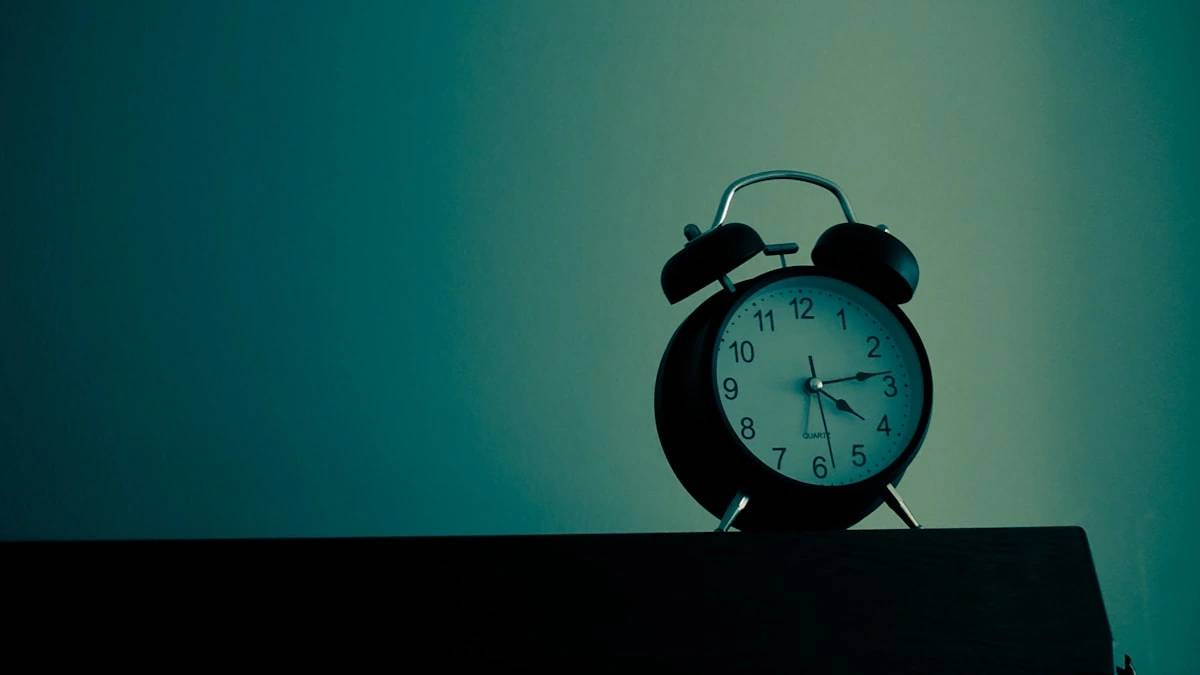
Every night for a month, 3:17. Not 2:50, not 3:40, 3:17, and for a while I assumed my body was trying to tell me something, the way people assume when the same hour keeps collecting them. It wasn’t. It was running the same night it always runs, and the hour kept landing on the same shallow stretch of it. The cortisol wave at 3am is the closest thing this whole subject has to a mechanism, and once you see it, the mystery mostly evaporates. The practical side, what to do when you’re up, lives in the waking up at 3am guide.
Key takeaways
- Cortisol climbs from around 2 or 3 a.m. toward its morning peak: alertness is scheduled, not accidental.
- By 3 a.m., deep sleep is banked and sleep pressure is spent, so the remaining sleep is light and easy to surface from.
- The wave makes the hour predictable; what makes the waking last is the clock check, the phone, and the spiral.
- The same-time-every-night effect is shallow architecture plus habit. It isn’t a message and isn’t a malfunction.
The wave, in plain terms
Cortisol gets terrible press, but it’s just the alertness hormone, and it runs on a schedule: low in the evening, climbing through the night, peaking around the time you’re meant to get up. That morning rise is how waking up works, and nothing about it needs fixing. The trouble is arithmetic of timing. The climb starts early, around 2 or 3 a.m., and it doesn’t ramp from zero to awake. It drifts upward through the shallow half of the night, so by the small hours there’s already alertness chemistry loose in your blood while your sleep is at its lightest.
Three in the morning isn’t cursed. It’s the shallow end of the pool.
Now stack the rest of the night’s situation on top. By 3 a.m., your deep sleep is banked, the heavy repair work done in the early cycles, and the sleep pressure you accumulated all day is spent. What remains is lighter, REM-heavy sleep you can pop out of like a cork. So the full picture at that hour is: shallow sleep on top, a rising alertness wave underneath, and a body already drifting toward the exit without consulting you. A brief surfacing at 3 a.m. isn’t a glitch in the system. It’s the system running on schedule, in the stretch of the night where surfacing is easiest.
The cortisol wave explains the timing. It does not explain why the waking lasts two hours, and that distinction is where the whole fix lives.
Why the waking sticks to the wave
The wave brings you to the surface. What keeps you there is usually the paperwork you do after arriving, and it’s specific enough to name. First, the clock check, and the instant you know it’s 3:14, the math starts, hours before the alarm, hours already gone, tomorrow mortgaged minute by minute. Time math fuels arousal, which is backwards from what the checking is for. You check for reassurance and get a bill instead.
Second, the phone, which is three problems in one rectangle: a light source aimed at your face during the shallow half of the night, a feed engineered to be more interesting than sleep, and a job, because somewhere in that scroll sits an email you’ll feel obliged to have an opinion about. If the wave’s timing is new information but the 3 a.m. spiral is old news, the how to stop overthinking at night post covers the mind half, and the cognitive shuffle for sleep post is the trick that gives a busy brain nothing to grip.
Third, and this is the wave’s own contribution, whatever anxiety it finds gets performed on a stage with excellent acoustics. A waking that lands after 2 a.m. arrives with alertness chemistry already climbing, and worry that would idle harmlessly at 11 p.m. finds a body chemically prepared to take it seriously. Kevin, the accountant from my own bad decade of nights, did his sharpest work at 3:17: pension projected to seventy, kids’ shoes priced through college, a forgotten 2019 filing, the job’s survival in question, all on the ceiling within four minutes. His wake-ups started with a genuine crisis that ended two years before. The wake-ups stayed. Nothing real gets solved on the ceiling at that hour. The solving is the trap.
None of the three is required. The waking is automatic, but the clock check is a choice, the phone grab is a choice, and treating the waking as a problem to be solved on the spot is also a choice.
Why it’s always the same time
The sameness deserves its own answer, because it’s the part that spooks people. Two forces stack. The first is architecture: the shallow half of the night is uniformly shallow, so surfacings cluster in the same neighborhood of the clock, and if you fall asleep around the same time, the clustering gets precise. The second is habit: a body that has surfaced at 3:17 for a month starts to expect the appointment, the way you wake five minutes before an alarm you’ve set for years. Neither part means anything is wrong. The sameness is the system running on rails.
I know the sameness feels like evidence. It feels like a message, or a symptom with a timestamp, and I spent a season feeding my own 3:17 to search engines at breakfast. What the timestamp actually recorded was ordinary biology plus a trained expectation, and the training breaks the same way it built: boringly, over a couple of weeks, mostly by refusing to make the appointment interesting when you keep it.
Honest limit section, because this post would smell like a brochure without one. The wave explanation doesn’t cure anything by itself, and knowing the mechanism won’t stop a waking any more than knowing the plumbing stops a drip. It does something better: it takes the hour out of the superstition column, where it was generating its own anxiety, and puts it in the maintenance column. And if the wake-ups come with loud snoring, breathing pauses someone else has witnessed, or they’re running three or more nights a week for three months, that’s not the wave, that’s a pattern, and a doctor plus a week of notes beats any explanation. The architecture behind the timing, the laps and the shallow half, gets its own walkthrough in the sleep cycles explained: why you wake at night post.
The wave will come tomorrow at its usual hour. Let it pass under you, decline the three invitations, panic, check, and solve, and the surfacing stays what it was always meant to be: brief, forgettable, and boring.
Frequently asked questions
Why does cortisol wake you at 3am?
Cortisol, the alertness hormone, begins climbing around 2 or 3 a.m. toward its morning peak, so alertness chemistry is already loose in the blood during the shallow half of the night. Combine that with spent sleep pressure and REM-heavy sleep you pop out of easily, and a surfacing at that hour has strong tailwinds.
Is waking at 3am a sign of something wrong?
Usually not. Brief wake-ups several times a night are standard equipment for human sleep, and the shallow stretch after 2 a.m. is part of the design. What’s worth attention is staying awake an hour or more most nights for three months or more, which is a treatable pattern, not a curse.
Why do I always wake at the same time, like 3:17?
Two reasons stack: the shallow half of the night is uniformly shallow, so surfacings cluster in the same neighborhood of the clock, and habit, because a body that has surfaced at 3:17 for a month starts to expect the appointment. Neither means anything is wrong.
Can I lower cortisol to stop waking up?
You can’t and shouldn’t cancel the morning cortisol rise; it’s how waking up works. What you can change is what attaches to the surfacing: the clock check, the phone, and the spiral. Remove the first two and refuse to solve anything on the ceiling, and the wave passes under you instead of through you.
The whole system, including the worksheets, is in Sleep, Finally.
This guide is educational, not medical advice. If sleep problems persist for months or wreck your days, see a doctor.