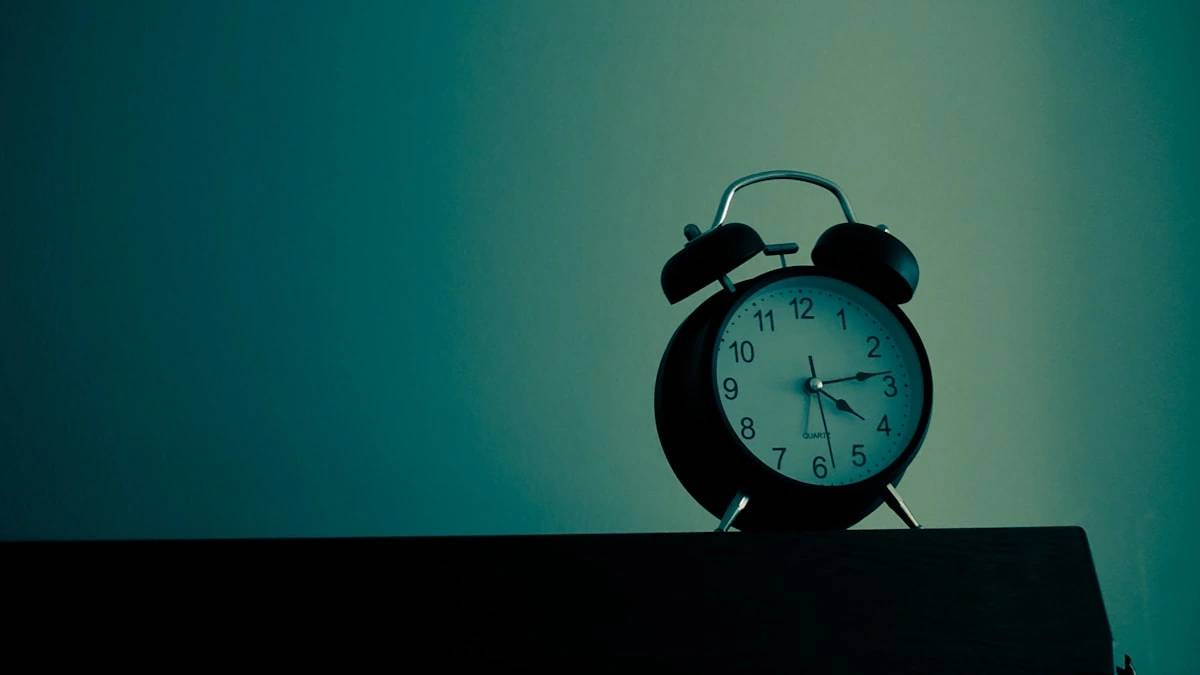
Waking Up at 3 A.M.
Why You Wake Up Cold at 3am
By Nora Vale · January 19, 2026 · 7 min read

Waking up cold at 3 a.m. is a specific kind of miserable, because your body is doing two things at once: surfacing from the shallowest part of the night and shivering. I blamed my thermostat for years before I understood the sequence, and the sequence explains why the fix is almost never “make the room warmer.” The full protocol for 3 a.m. wake-ups lives in the waking up at 3am guide, and this piece is the cold version of that hour.
Key takeaways
- Sleep begins with a core temperature drop of one to two degrees, and the drop keeps drifting down through the early night.
- By 3 a.m., deep sleep is banked and sleep pressure is spent, so anything that nudges you, including cold, pops you out easily.
- A cold room is an invitation at bedtime and an interruption at 3 a.m.; the sweet spot is a range, not a number.
- Warm the body, not the room: socks, a hot-water bottle, layers you can adjust without waking fully.
- Cold intolerance with fatigue or weight changes deserves a doctor conversation; the rest is thermostat arithmetic.
The temperature curve underneath the night
Sleep starts with a plumbing trick. To fall asleep, your core temperature needs to drop by roughly one to two degrees Fahrenheit, and that falling signal is part of what tells the brain the night has begun. This is why a warm shower one to two hours before bed works: the heat escapes afterward through your hands and feet, dragging the core down. A cool room invites the drop; a warm room blocks it. So far, the standard advice holds.
But the drop doesn’t stop at the bedroom door, and by the second half of the night, the shallow REM-heavy half you pop out of like a cork, your body is at its coldest point of the twenty-four hours. That’s the setup for waking up cold: “Three in the morning isn’t cursed. It’s the shallow end of the pool,” and the pool is also at its coldest. A room tuned perfectly for falling asleep at eleven can overshoot cool by three in the morning, when the same chill would have been an invitation at bedtime and is now an interruption.
The wake-up itself then does what wake-ups do. If you surface, check the clock, do the arithmetic, and start negotiating with the night, a five-minute cold blip becomes a two-hour session. The cold started it. The clock-checking finished it.
Fix the body, not the room
The counterintuitive part is that the fix is usually warmth at the edges, not a warmer room. Warm feet count: socks or a hot-water bottle help the core temperature drop happen on schedule at bedtime, and a drop that happens on schedule is a drop that doesn’t keep falling through the night. Cold feet genuinely delay the bedtime drop, which is its own problem, so the feet are worth warming at both ends of the night.
Layers beat one heavy cover, because layers give you exits and entrances without waking fully. A flat sheet, a light blanket, and a comforter you can shed in stages turn the whole night into a manageable event, and the classic move of one foot out vents heat in the other direction, in July, with the same logic. A sweater within arm’s reach, pulled on horizontally, fixes a 3 a.m. chill in ninety seconds without turning on a light or standing up, which means without starting the full wake-up sequence.
If the chill is seasonal, the thermostat gets a vote too, and the honest range is wide. The commonly cited sweet spot is 65 to 68°F, and the Sleep Foundation’s workable range runs 60 to 68, which tells you the truth about the number: it’s a starting point, not a law. Some people sleep cold, and they can experiment upward instead of shivering through a rule.
One experiment ties the whole thing together in a week. Pick the cold season’s worst month, add the socks and the spare blanket, and change nothing else, because a test with three variables proves nothing. Log the wake-ups and note whether you got back to sleep in five minutes or fifty. If the cold was the trigger, the wake-ups stay but the staying awake shrinks, and that’s the win most people never notice they’ve had: the same blip, minus the two-hour session attached to it.
What the cold is hiding, occasionally
Most cold wake-ups are bedding and thermostat arithmetic, but the symptom has a short list of legitimate medical travel companions. Cold intolerance that comes with fatigue, weight changes, or hair thinning is a thyroid conversation, and women in perimenopause often discover the opposite problem, night heat, on the same door. Persistent broken sleep with a daytime cost is worth a checkup regardless of what you think the cause is, and none of this is a diagnosis, which is exactly the point: the doctor gets the last word, the log gets you there with better material than “I sleep badly.”
Frequently asked questions
Why do I wake up cold at 3am specifically?
The 3 a.m. hour is already the shallow end of the night: deep sleep is banked, sleep pressure is spent, and the remaining sleep is light and easy to pop out of. If your room overshot cool or your core temperature dropped faster than expected, the chill arrives exactly when sleep is easiest to lose.
Isn’t a cold room supposed to be good for sleep?
A cool room is an invitation, not a law. Core temperature needs to drop one to two degrees to begin the night, and the commonly cited sweet spot is 65 to 68°F, with a workable range of 60 to 68 per the Sleep Foundation. Some people genuinely sleep cold and should experiment upward instead of shivering through a rule.
How do I stop waking up cold without warming the whole room?
Warm the body, not the room: socks or a hot-water bottle for the feet, a second blanket you can kick off, and layers instead of one heavy cover. Warm feet help the core temperature drop happen on schedule at bedtime, which paradoxically makes the middle of the night more stable.
Could waking up cold mean something medical?
Usually it’s bedding and thermostat arithmetic, but cold intolerance paired with fatigue, weight changes, or hair thinning deserves a mention to a doctor, since thyroid function lives in that conversation. Persistent broken sleep with a daytime cost is worth a checkup regardless.
Should I get out of bed if I wake up cold?
Fix the temperature in place first: add the blanket, pull up the covers, and give it a few minutes. Getting up starts the full wake-up sequence, and cold alone rarely justifies it. The twenty-minute exit rule is for a mind that won’t settle, not for a thermostat problem.
This article is educational, not medical advice. It doesn’t diagnose or treat anything, and a clinician should have the last word on persistent sleep problems.
The room is one of four dials in the complete system. If you want the rest, including the 3 a.m. protocol card, it’s in the book.