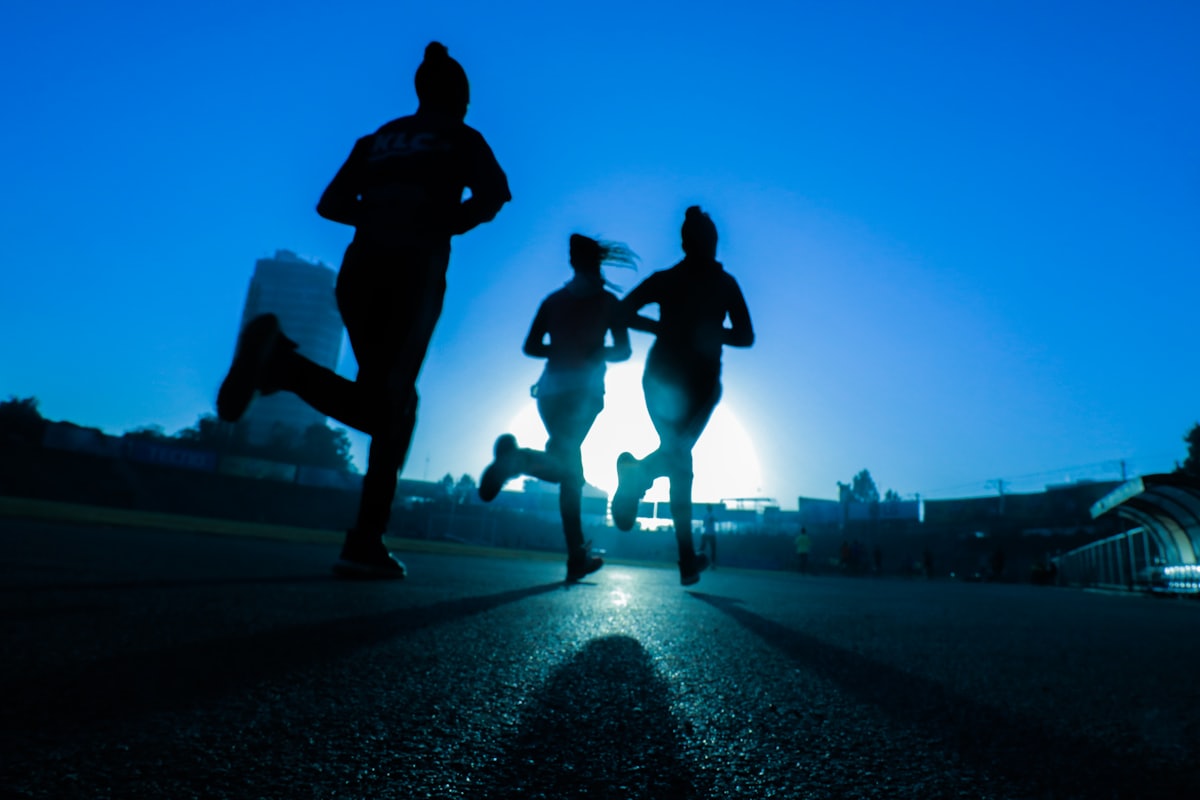
Nina Moves Her Run and Keeps Her Walk
Nina trained for a half marathon at 8:40 PM and lay awake listening to her pulse. Moving the run to 6:30 AM kept her fitness and handed the evening to a walk.
Nina trained for a half marathon at 8:40 PM and lay awake listening to her pulse. Moving the run to 6:30 AM kept her fitness and handed the evening to a walk.
The never-exercise-at-night rule fails when researchers test it. Where the evening exercise myth came from, what survives scrutiny, and the honest timing rule.
The sleep exercise loop runs both directions: movement deepens the night, and deeper nights make movement easier. Here's how to start the loop from either end.
Any movement beats none for sleep: light activity beat sitting still, and nothing-to-something is the biggest jump available. The honest rule, with its limits.
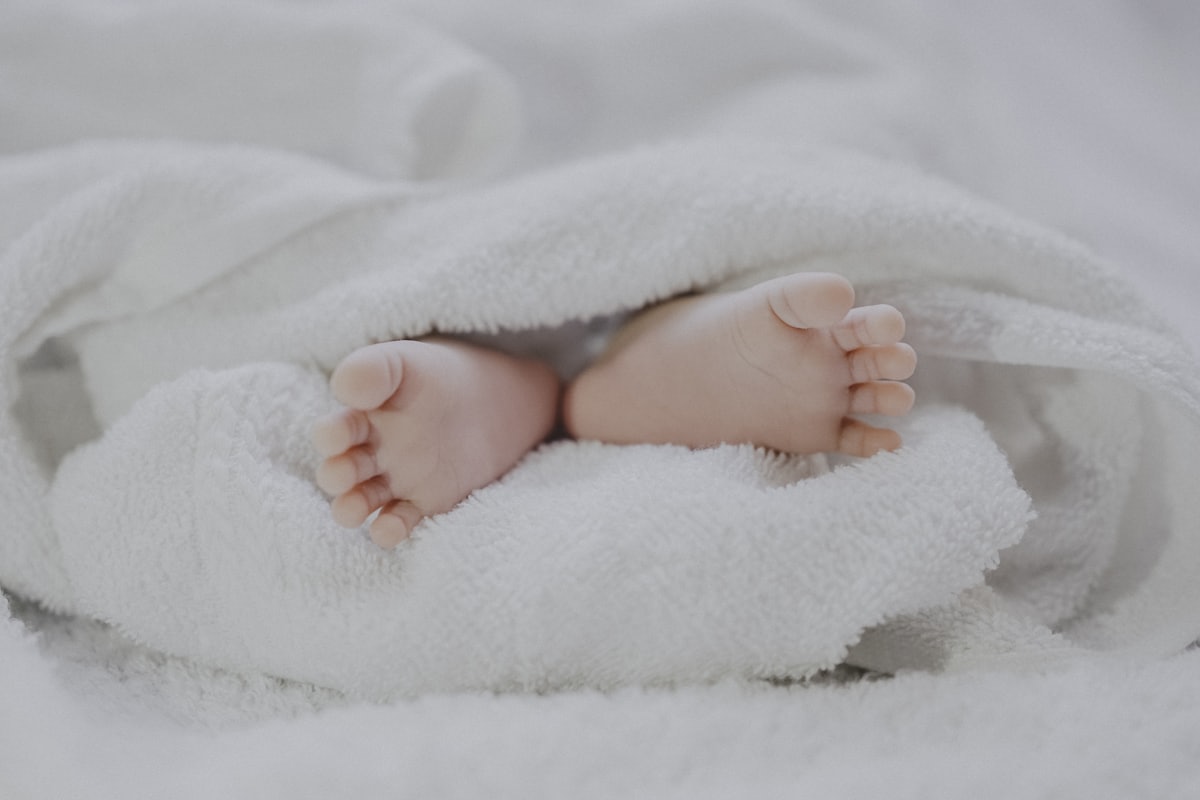
Naps for new parents work when they stay short and early. How to nap on fragmented sleep without digging the night deeper, plus what to do instead when naps fail.
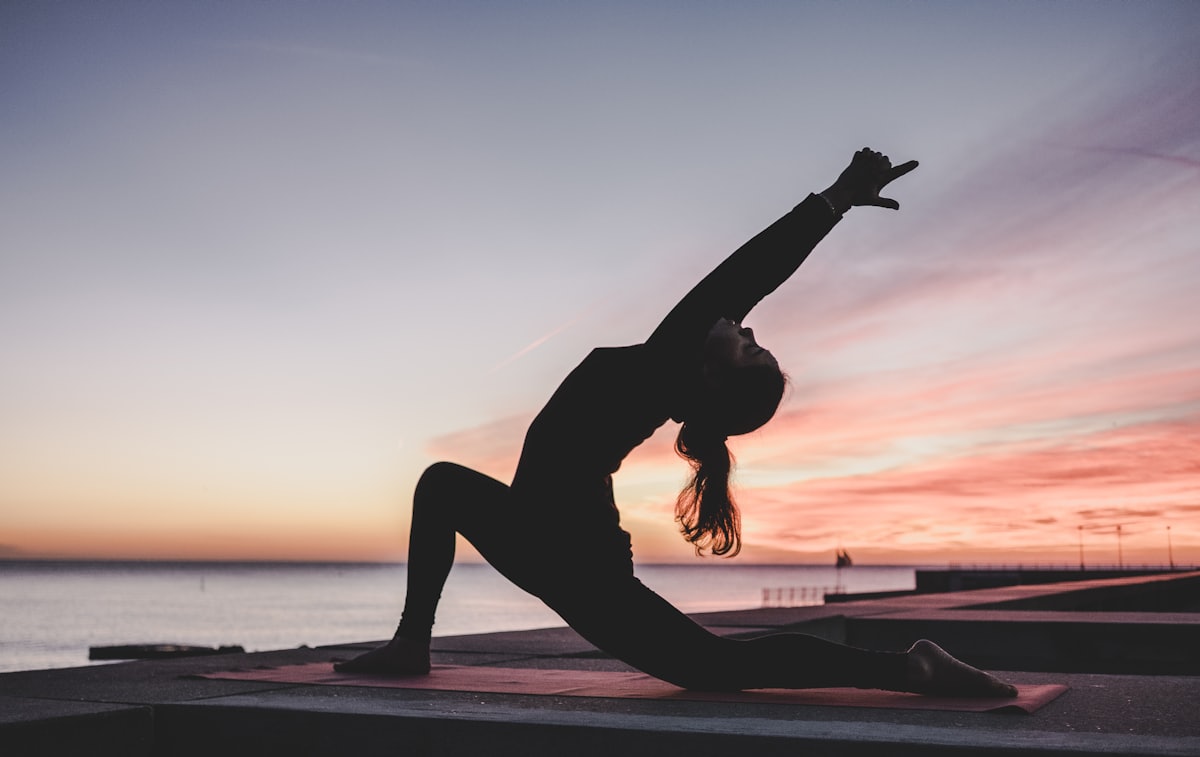
The exercise minimum that helps sleep is small: ten minutes counts, stairs count, and even thirty moderate minutes improves that same night. Here's the honest floor.
A nap length guide built on sleep pressure: ten minutes takes the edge off, twenty stays in the shallow end, ninety is the shift worker's tool.
A nighttime stroll can help or stall your sleep, and timing decides which. How evening walking affects body temperature, sleep pressure, and your wind-down.
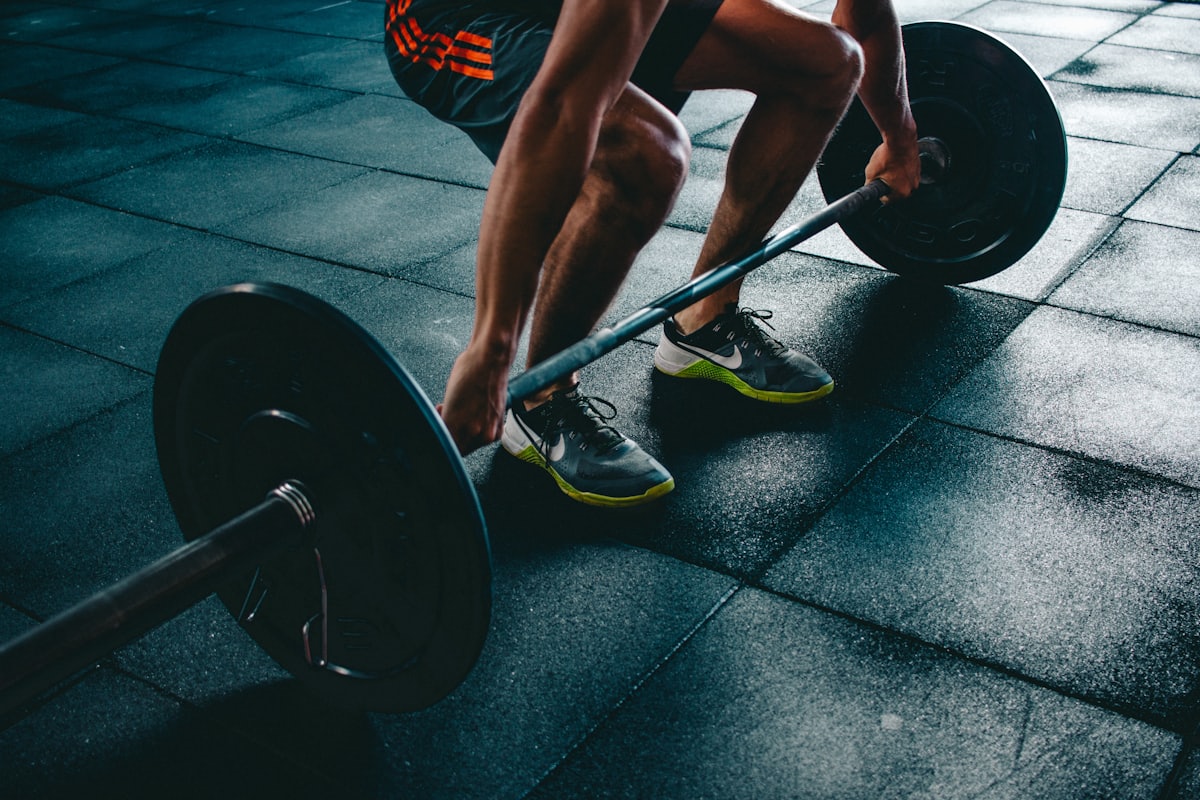
Leg day makes you sleepy for real reasons: heavy muscle recruitment raises sleep pressure and slow-wave demand. What to expect, and when hard training backfires.
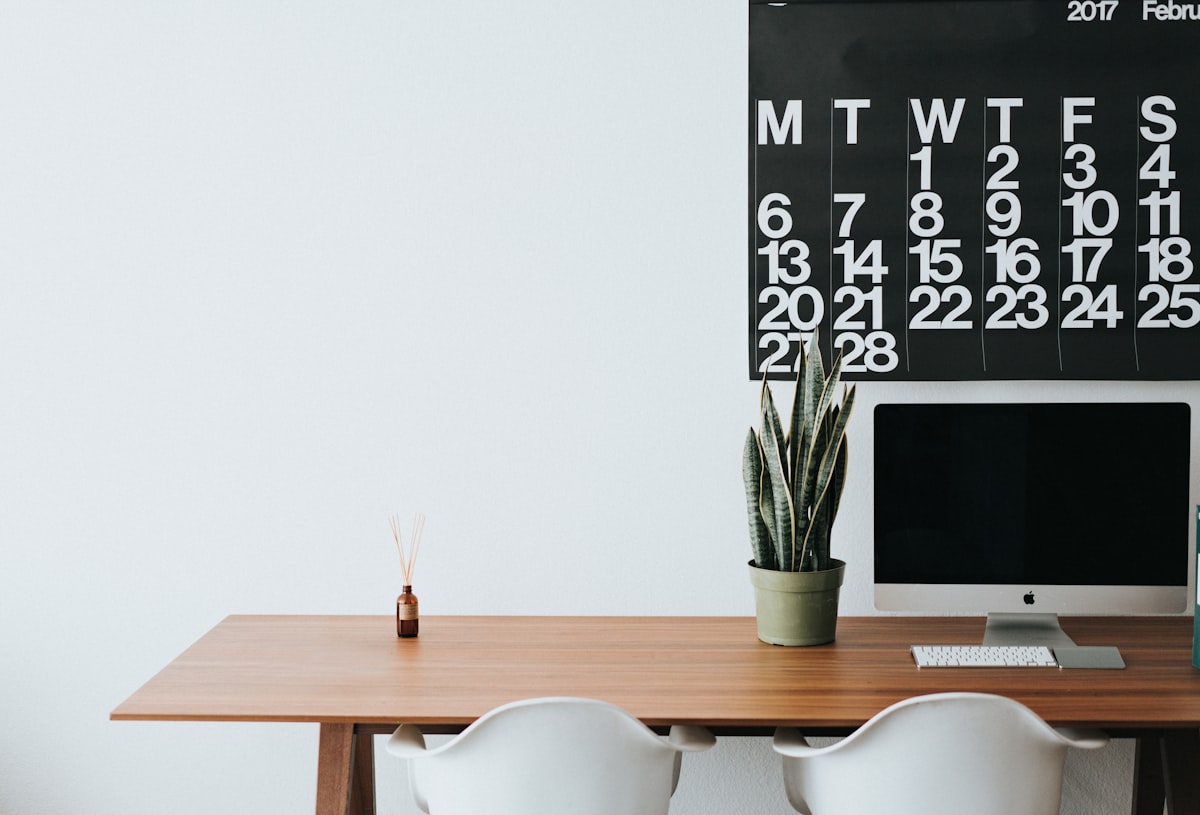
A desk job starves your sleep of pressure. Eight no-gym ways to add movement to a sitting day, and why the afternoon wall and the 2 a.m. ceiling are connected.