Does Exercise Help You Sleep? The Honest Answer
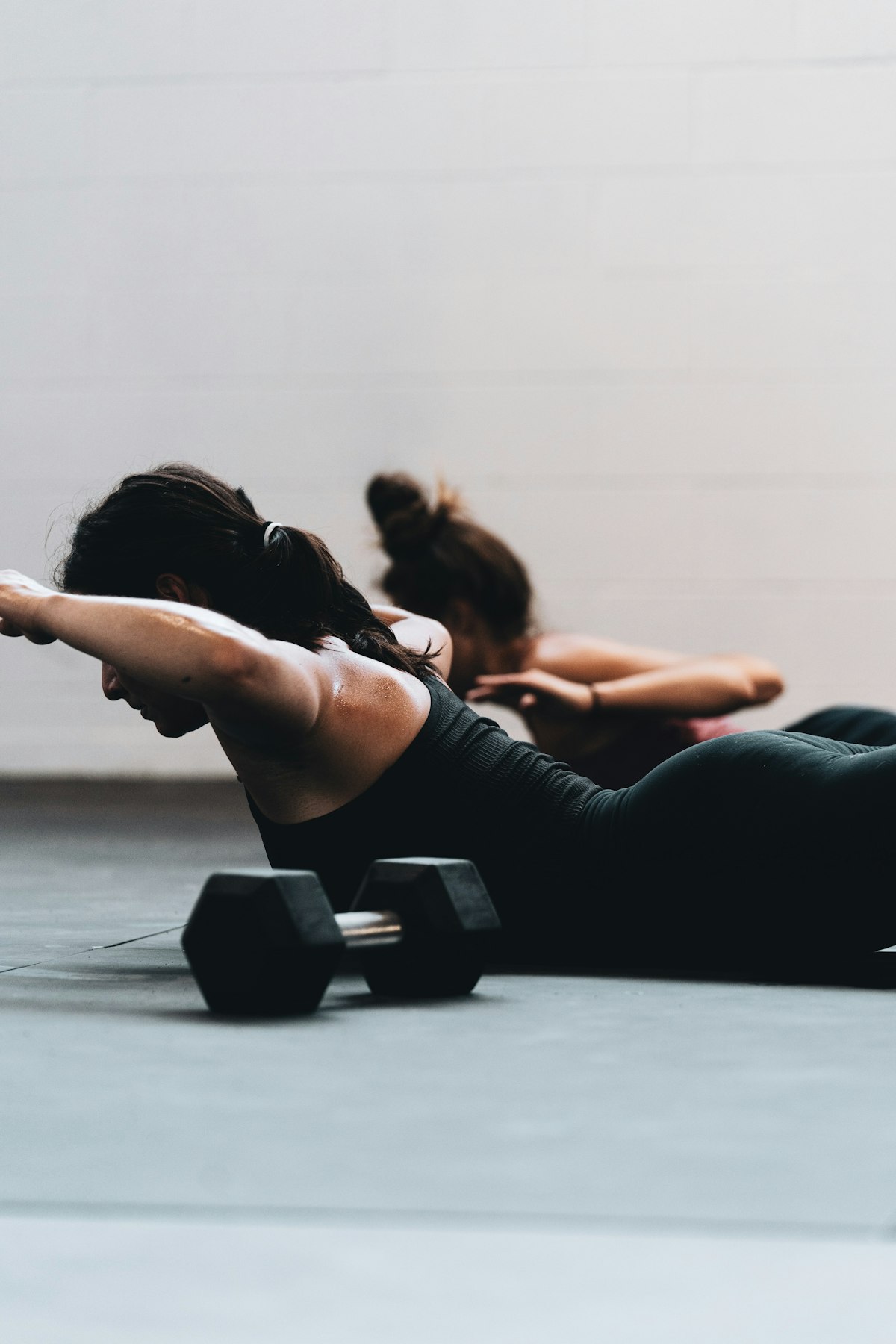
Exercise and sleep quality are linked by sleep pressure: any movement beats none, thirty minutes of moderate effort helps that same night, and walking counts too.
Exercise and sleep quality are linked by sleep pressure: any movement beats none, thirty minutes of moderate effort helps that same night, and walking counts too.
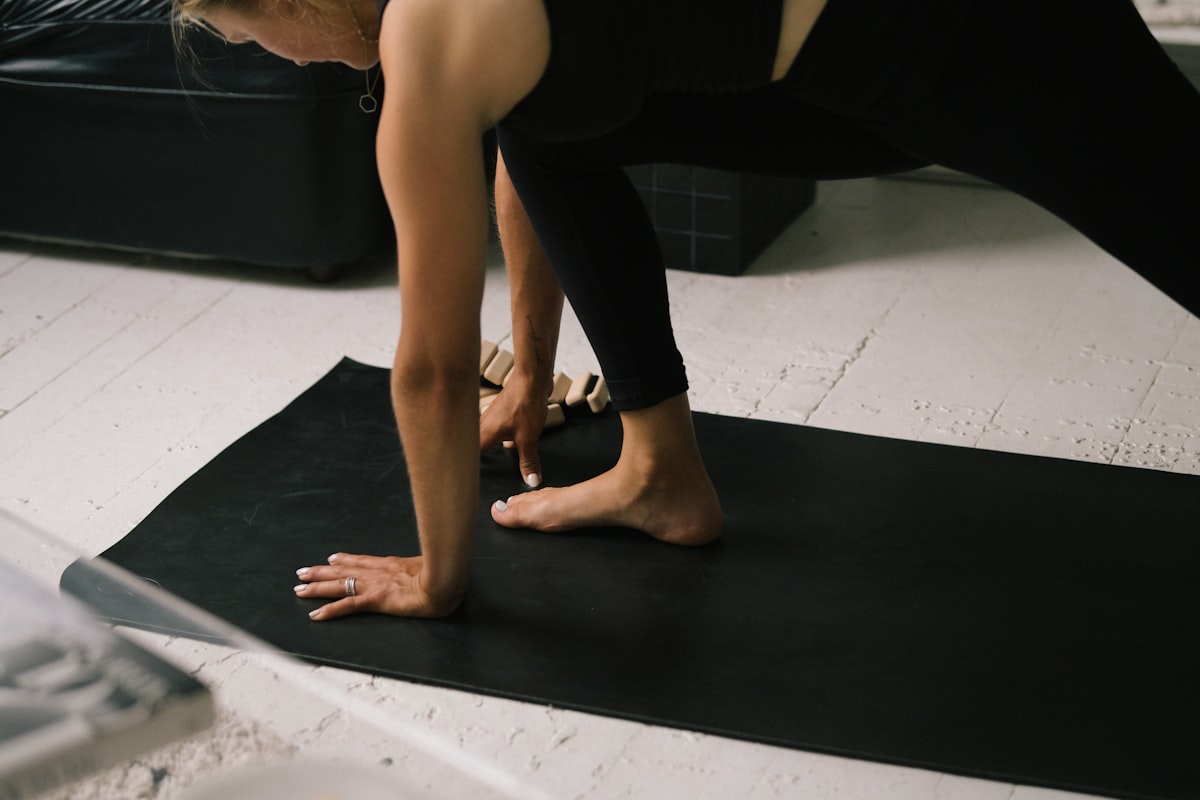
Overtraining signs often show up in your sleep before your legs: nights that stop working despite honest training, a pulse you can hear, and dread of the gym.
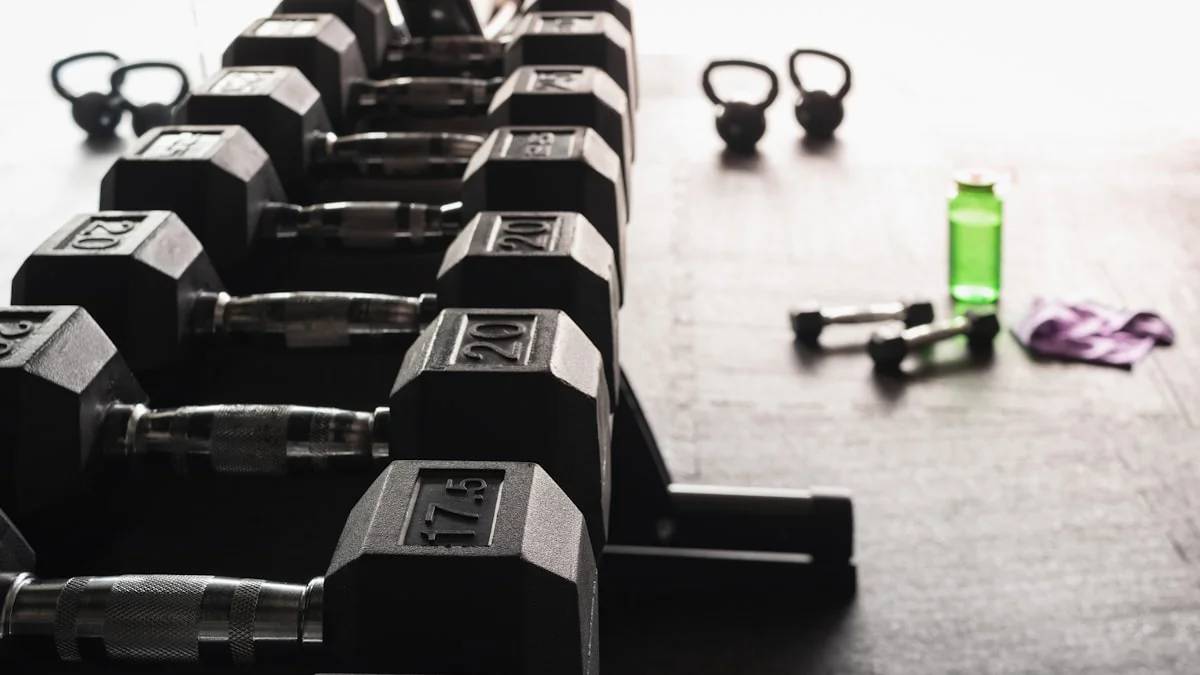
Why do I sleep better on gym days? Sleep pressure, drained-battery versus worked-muscle tired, Dave's lunchtime walks, and a 6-day experiment to see it yourself.
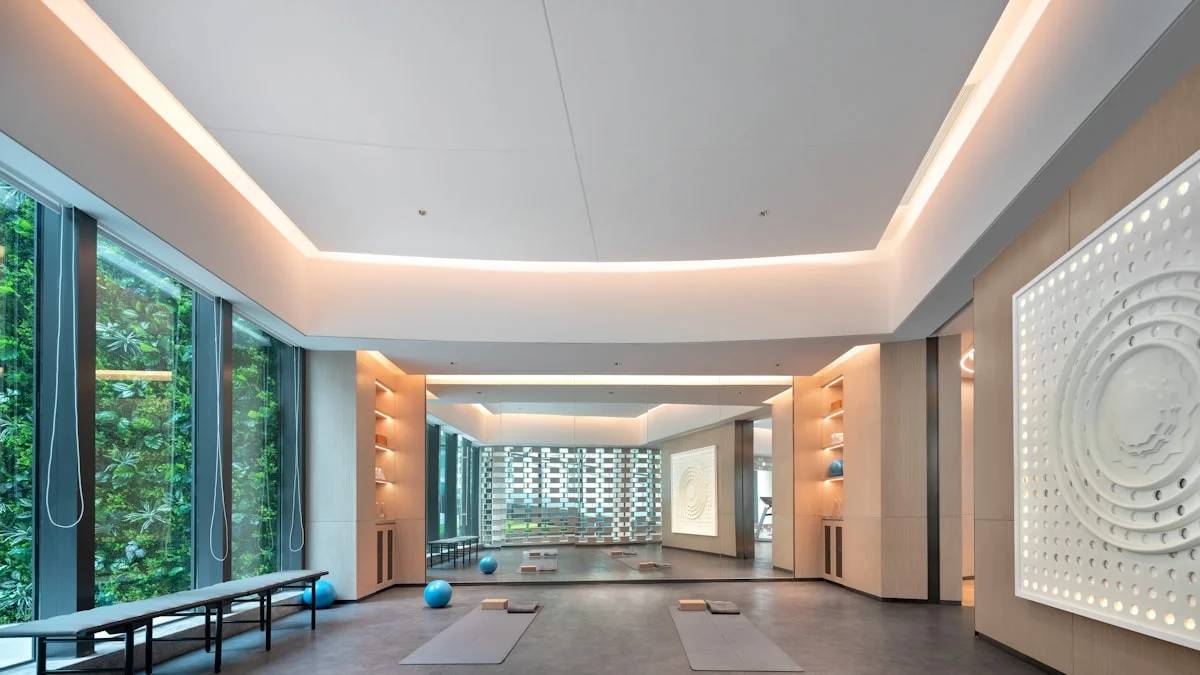
Yoga before bed works as a body-slot wind-down: eight slow minutes of unclenching movement tells your body the day is over, no pretzel shapes or studio required.
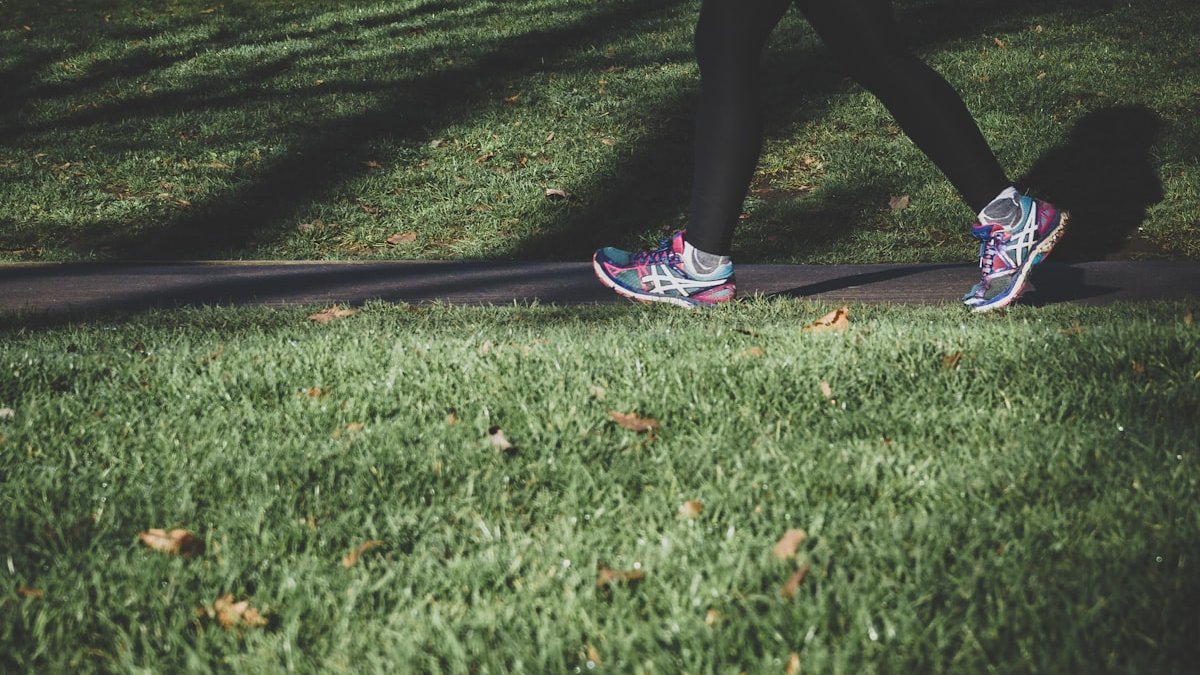
Walking for better sleep works through sleep pressure, not exhaustion: thirty to forty minutes most days pays out at bedtime, and ten minutes still counts.

Lunchtime walks help nights twice over: they bank sleep pressure and daylight your clock needs, and they soften the afternoon slump that drives evening coffee.
How close to bed you can work out, the 1-2 hour rule explained, why the old three-hour ban failed testing, and how to time any session around sleep.

After-dinner walks deepen sleep three ways in twenty minutes: they spend leftover restlessness, aid digestion, and blunt the reflux that wakes you at night.
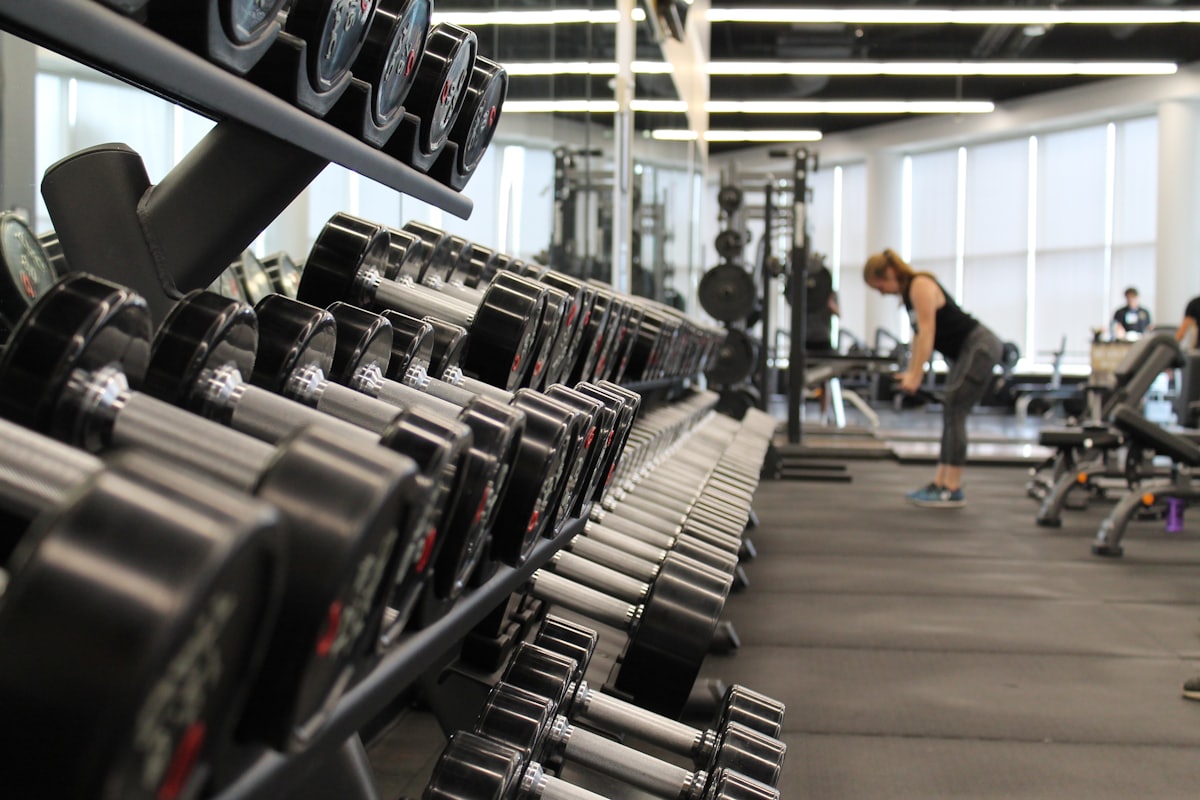
Morning workouts vs evening workouts for sleep, settled with the actual evidence: both work, the buffer rule for late sessions, and how to pick your hour.
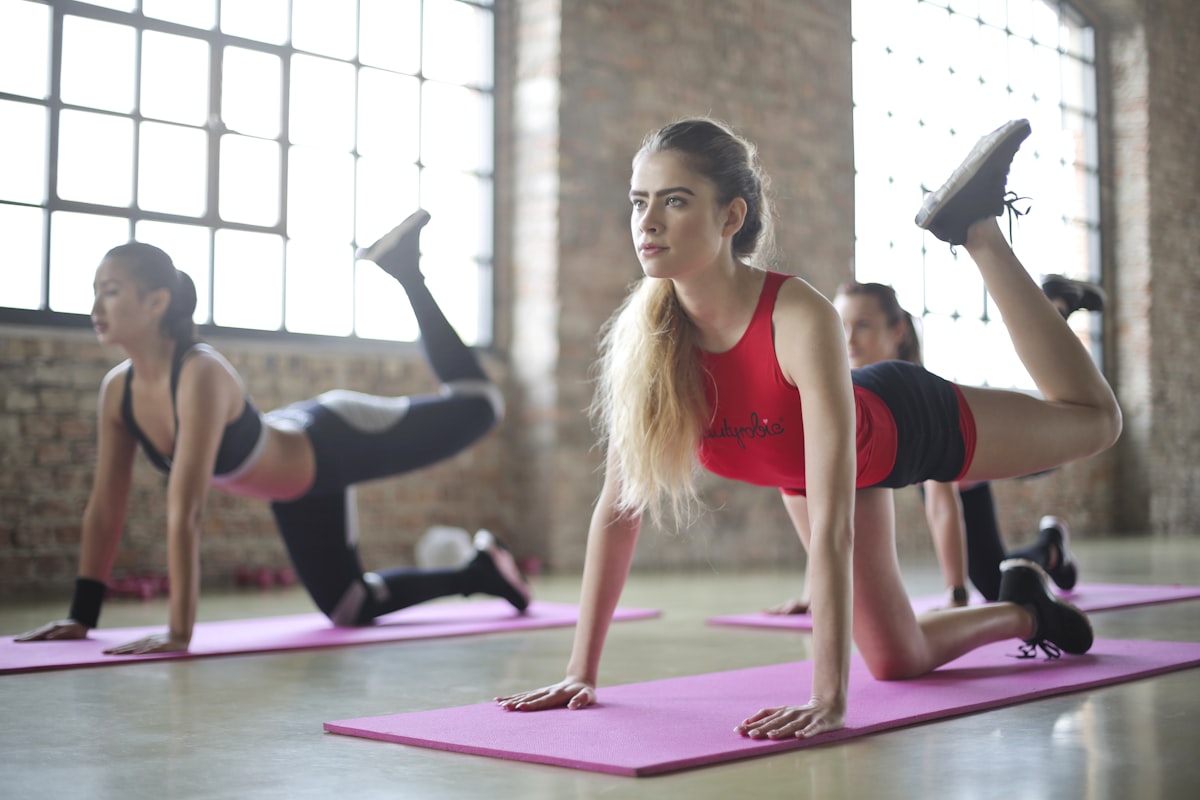
30 minutes of exercise improves sleep the same night: the sleep pressure mechanism, why moderate aerobic movement works, and how little you actually need.