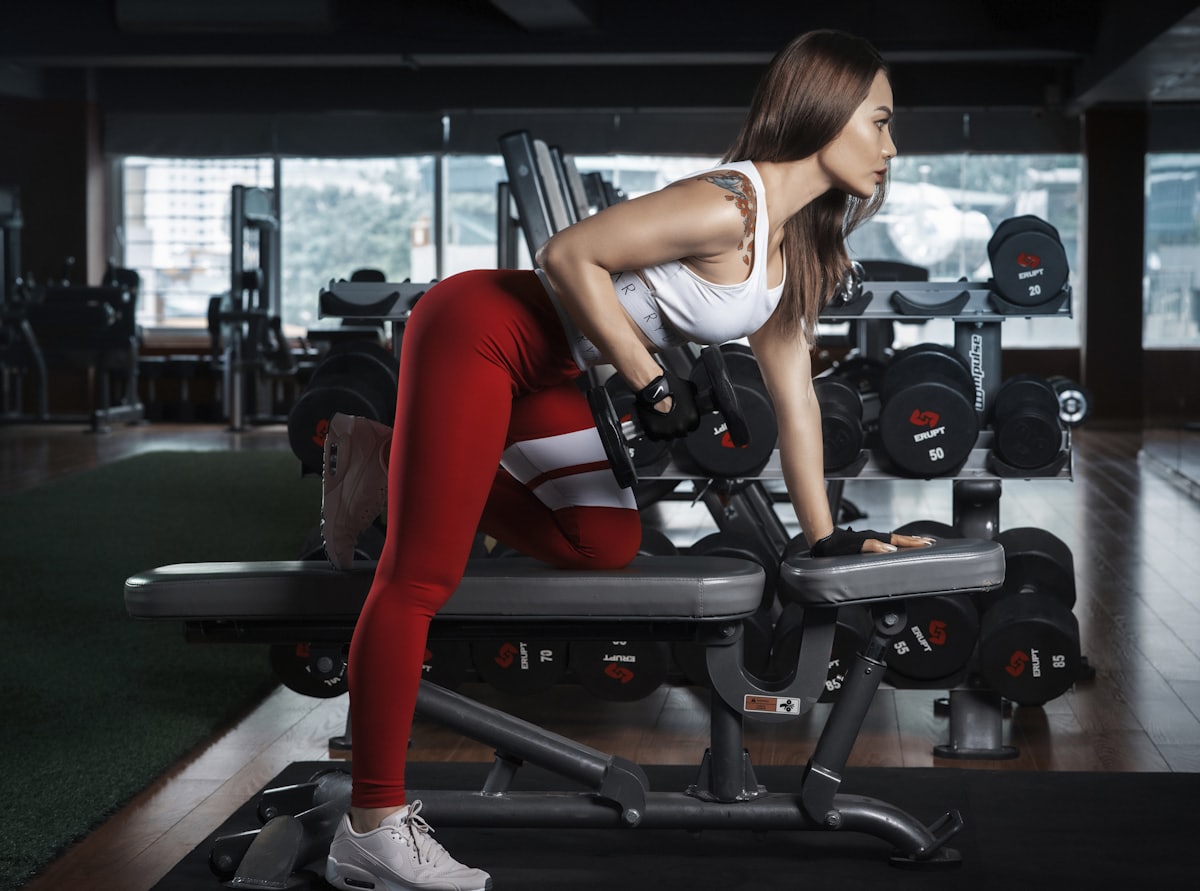
Morning Exercise Plus Light: A Double Win for Your Clock
Morning exercise plus light stacks two clock signals into one habit. Why movement and daylight together beat either alone, and the version you'll repeat.
Morning exercise plus light stacks two clock signals into one habit. Why movement and daylight together beat either alone, and the version you'll repeat.
The exercise improves sleep timeline is shorter than fitness: first better nights around week two, with moderate movement paying out that same night for some people.
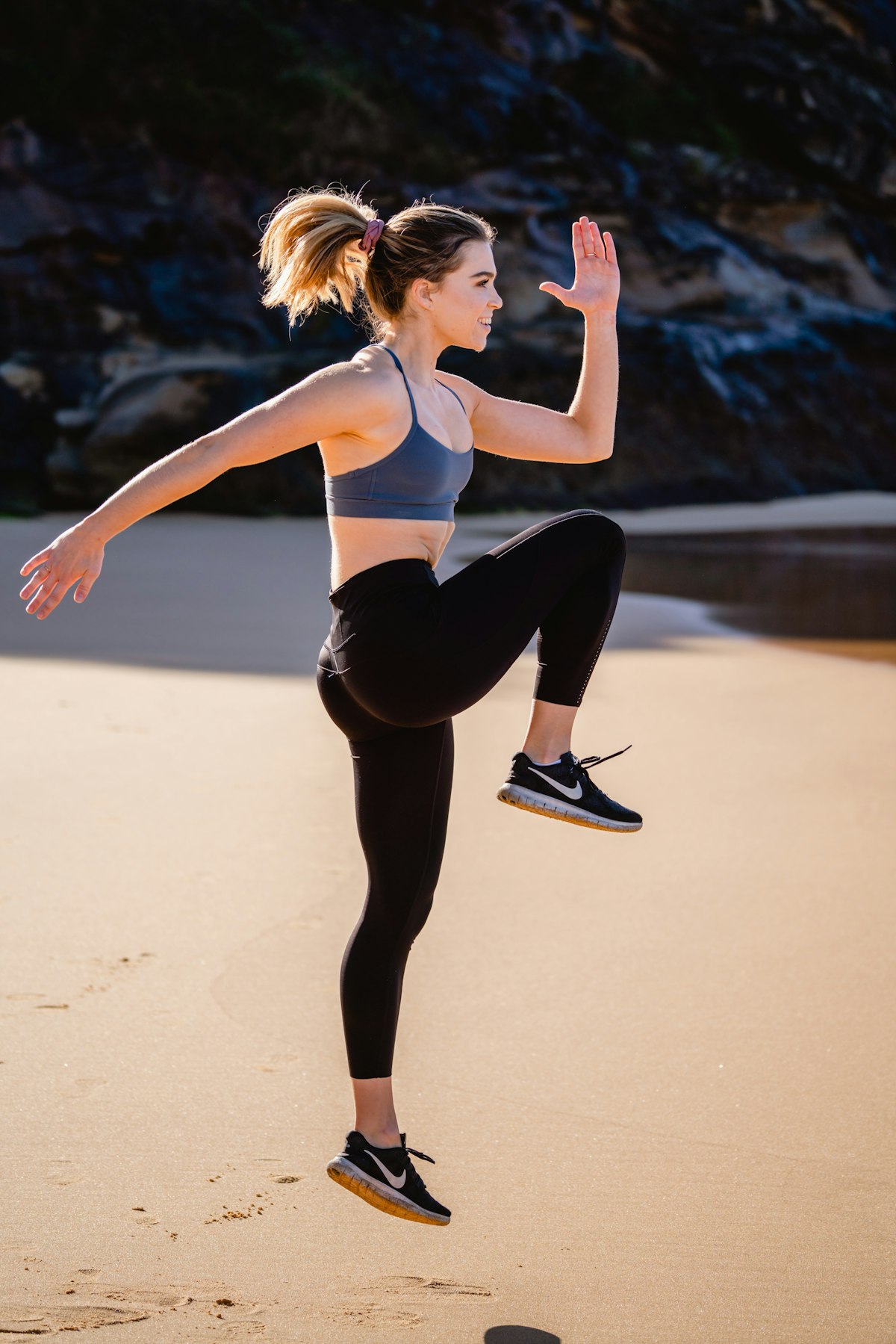
Evening workouts don't cause insomnia: the never-train-at-night rule failed testing, evening exercisers get more deep sleep, and only last-hour effort is a concern.

Night strength training doesn't have to cost you sleep. When to lift, how long to wait before bed, and what the research actually says about evening workouts.

Wondering about the best time to exercise for deep sleep? The honest answer is less about the clock and more about sleep pressure, consistency, and one timing rule.
Sedentary days ruin sleep even when you feel tired because tired isn't sleep pressure. What a body that moved nothing owes at bedtime, and the walk that pays it.

Exercise snacks, those 5-minute movement breaks scattered through the day, can build real sleep pressure. Here's what they do, what they can't, and how to try it.
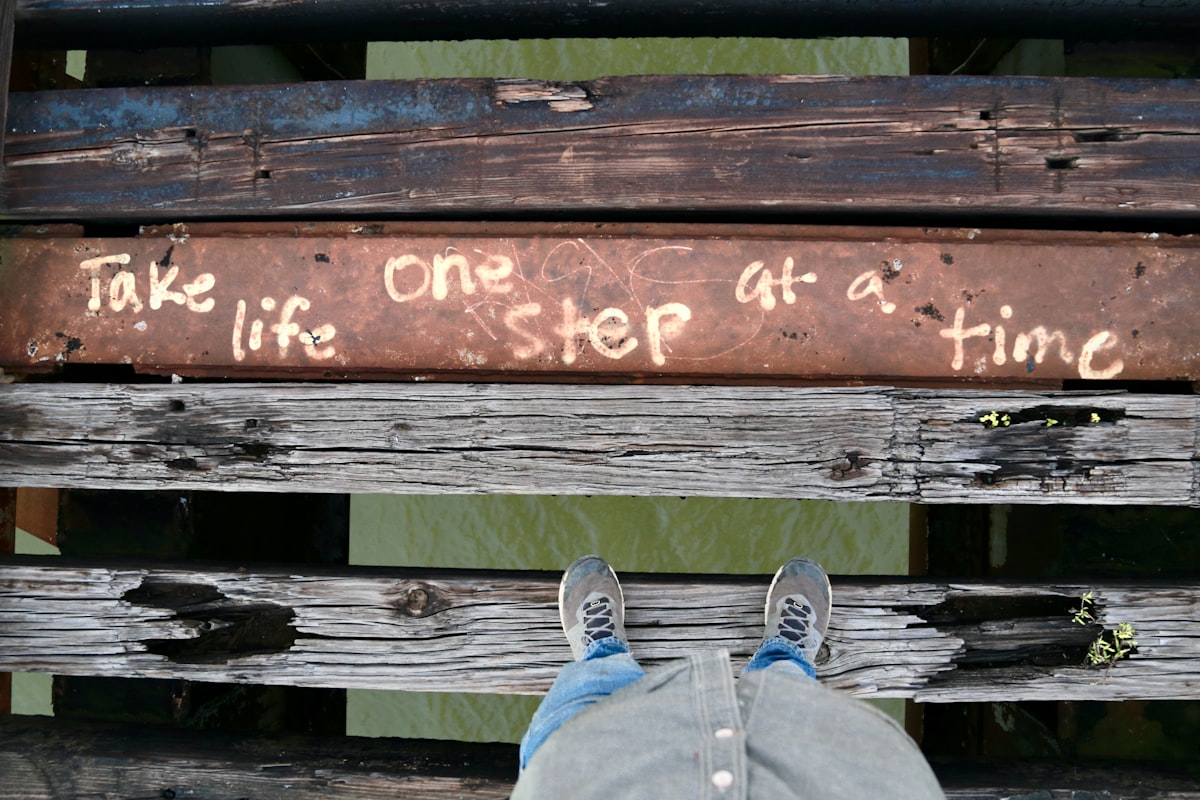
Does 10k steps sleep science actually hold up, or is any movement enough? What sleep pressure, two surveys, and a boring walk say about your night.

Can overtraining insomnia wreck your nights even when exercise usually helps sleep. Where the line sits between useful movement and training that fights your rest.
Insomniacs skip naps for a reason: sleep pressure is the medicine a broken night needs, and every daytime nap is a skipped dose while your nights rebuild.