
The Rules of Coming Back: Falling Asleep Again
The rules of coming back: stimulus control, the 20-minute exit, and how to fall asleep again at 3 a.m. without the argument with yourself.
The rules of coming back: stimulus control, the 20-minute exit, and how to fall asleep again at 3 a.m. without the argument with yourself.
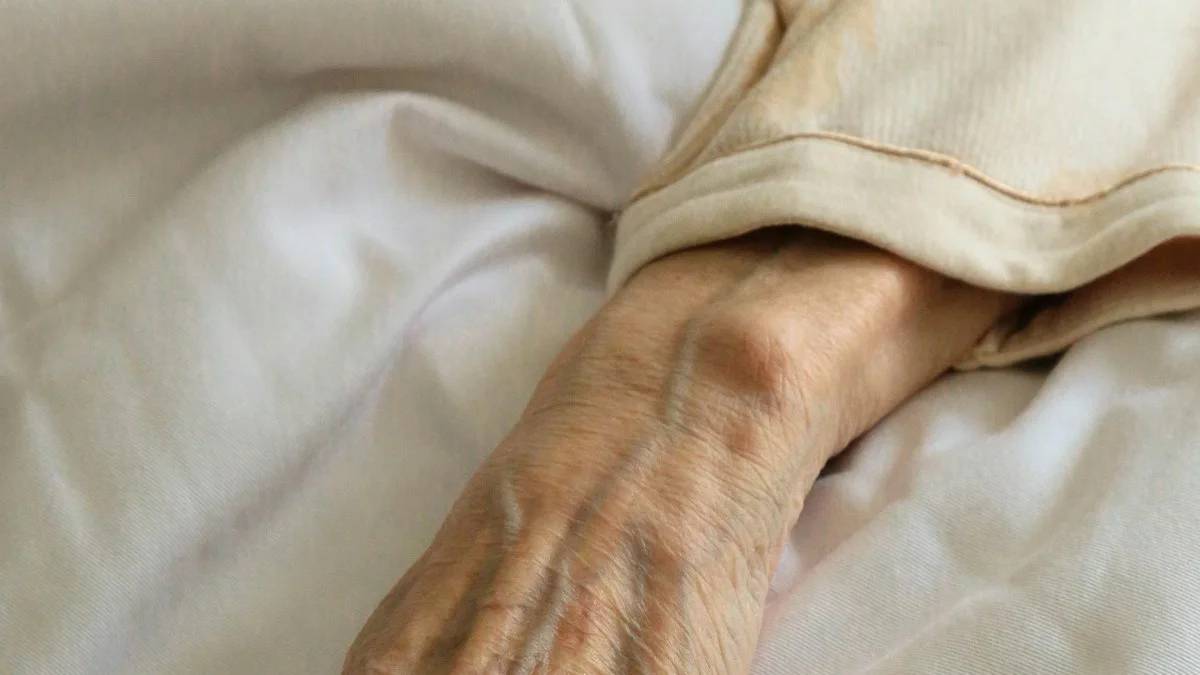
Night wakings with age have a biology: deep sleep declines and older adults surface more often. What's normal, what's adjustable, and why age is not a diagnosis.

How long it should take to fall back asleep after a 3 a.m. waking, why twenty minutes awake means get up, and what the clock check actually costs you.

You wake at 3 a.m. and the first move decides the whole night. A low-light plan for middle of night waking: no clocks, dim lamps, and the twenty-minute exit rule.

How many wakings are normal at night, and when they stop. Why brief surfacings are standard equipment, what makes one stick, and the line where it's insomnia.

3am waking in perimenopause has named causes: hot flashes, a progesterone taper, and the shallow half of the night. What actually helps, and where the fan runs out.

The fear of being wrecked tomorrow keeps people in bed forcing sleep. Why one bad night costs less than you think, and the day-after protocol that works.

One bad night is normal equipment; chronic night wakings are a pattern worth reading. How to tell them apart, and what each one asks of you.

Segmented sleep sounds like permission to wake at 3 a.m., and history partly agrees. What's natural, what's not, and how to tell a harmless wake from insomnia.

Awake at 3am? The cognitive shuffle for middle-of-night waking gives your mind a boring job it can't worry through. How to run it, when it works, and when it won't.