
Middle-of-the-Night Insomnia: Why You Can't Fall Back Asleep
Middle-of-the-night insomnia has a shape: shallow sleep, a climbing cortisol wave, and habits that keep you up. Here's the stimulus control fix, cost included.
Middle-of-the-night insomnia has a shape: shallow sleep, a climbing cortisol wave, and habits that keep you up. Here's the stimulus control fix, cost included.

Waking up anxious at 3am is chemistry plus a sticky wake-up, not a flaw. What the cortisol wave, the clock check, and the feed do to the shallow half of the night.
The right midnight light level is darker than you think: a hand test, a tape budget, and why the phone glow at 3 a.m. does more damage than any streetlight.
Does checking the time at night ruin sleep? Why the 3am clock check delivers a bill instead of reassurance, how time math fuels arousal, and the no-clock rule.
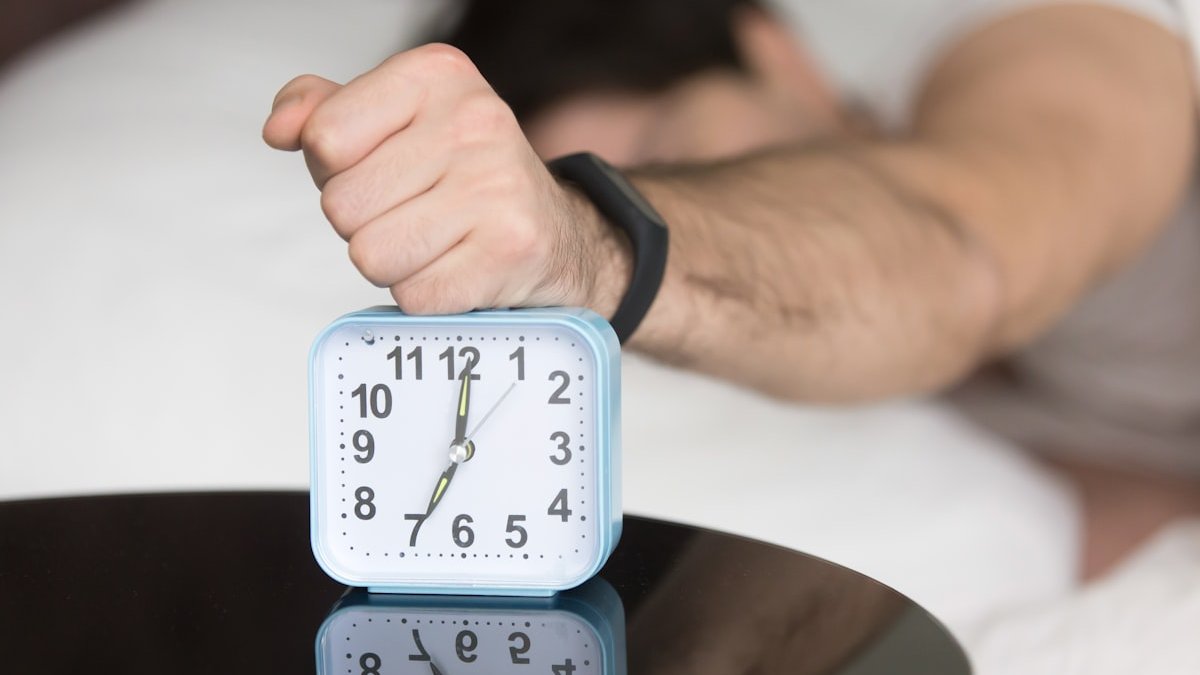
Waking at the same time every night has plain causes: sleep architecture, habit, cortisol, alcohol. What the clock time means and what actually helps.

The 8 unbroken hours myth, tested. Why brief night wakings are standard equipment, what the research on split sleep actually says, and when fragmentation is a flag.
Awake at 3:40 and wondering when to start your day? Why going back to a boring bed beats an early start, and the one exception that matters.
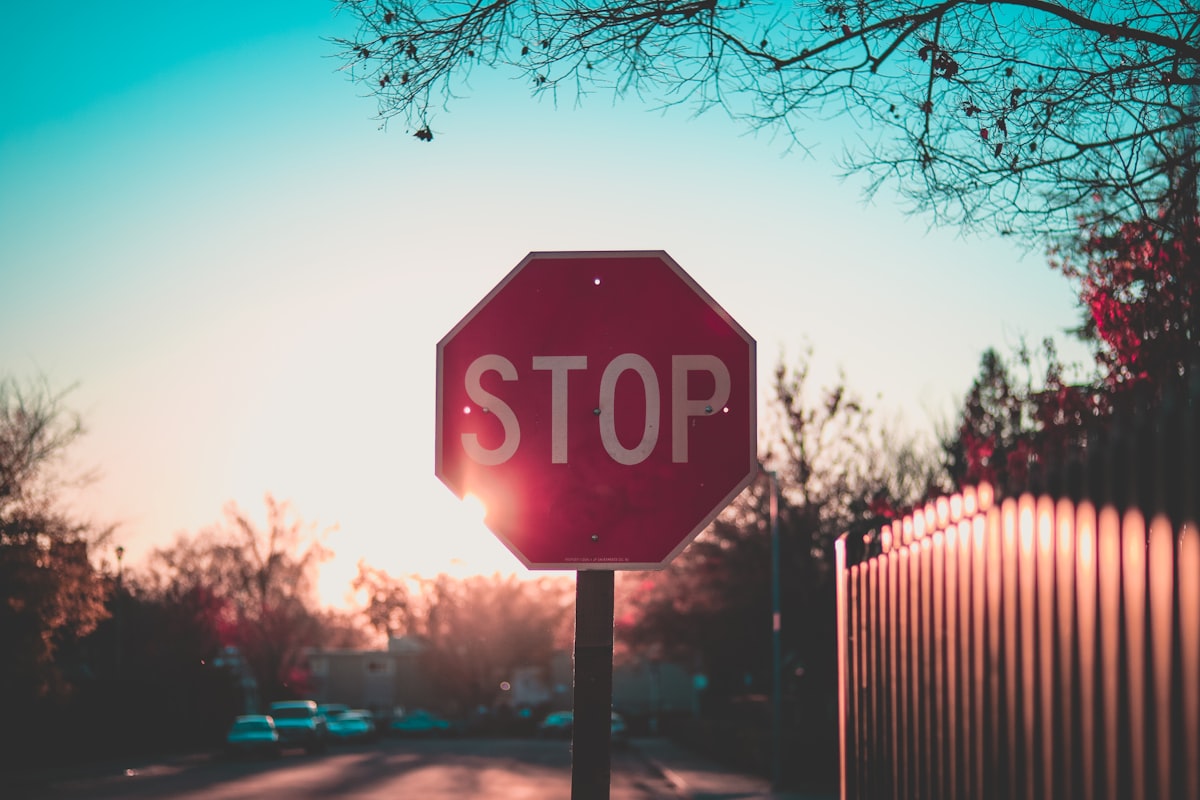
How to stop checking the time at night: why the clock makes wake-ups worse, the no-clock rule that cuts time math off at the source, and what to do instead.

Night waking recovery isn't waking less. It's the twenty-minute rule, a script instead of a fight, and nights off that stop feeling like exams.
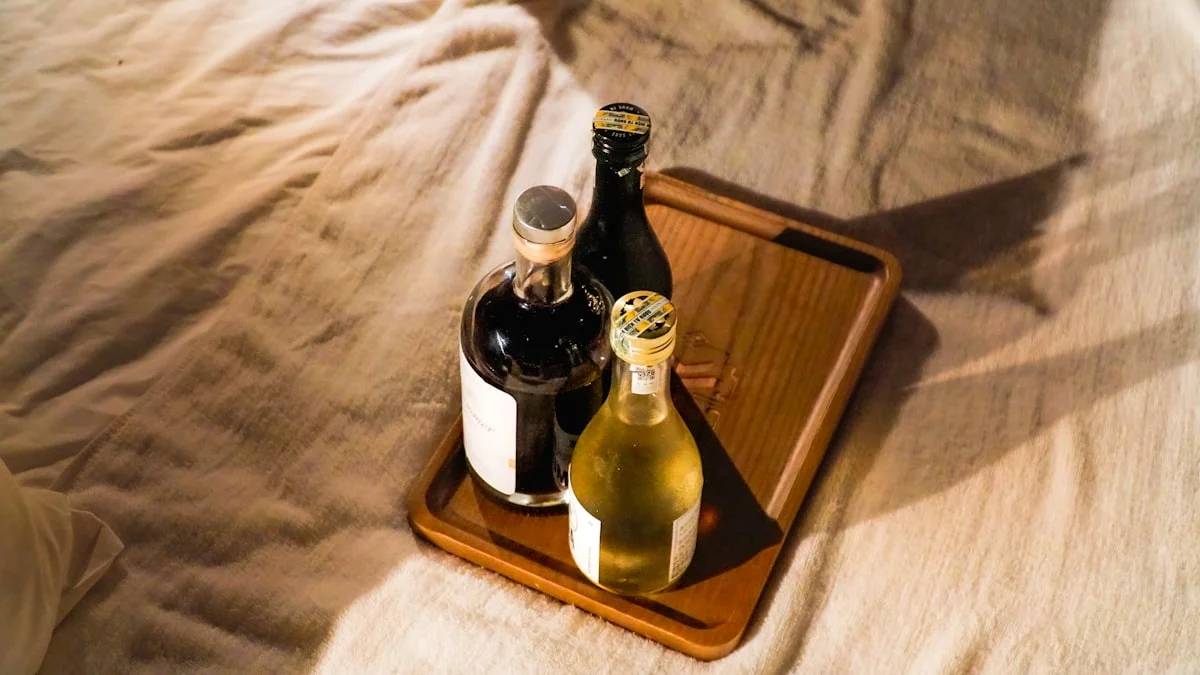
The nightcap is a loan: sedation at 10:15, repayment at 2:40. How alcohol's half-life sets your wake-up time, and what to do about it without anyone scolding you.