
Bright Mornings Make Early Bedtimes Easier
Bright mornings make early bedtimes easier because the clock reads light, not intentions. The ten-minute dose, why the window doesn't count, and gray-day rules.
The blog
Bright mornings make early bedtimes easier because the clock reads light, not intentions. The ten-minute dose, why the window doesn't count, and gray-day rules.
A nap policy is three decisions: length, timing, and where. Keep it in the shallow end, inside the 1–3 dip, and off your own bed. Here's how to set yours.
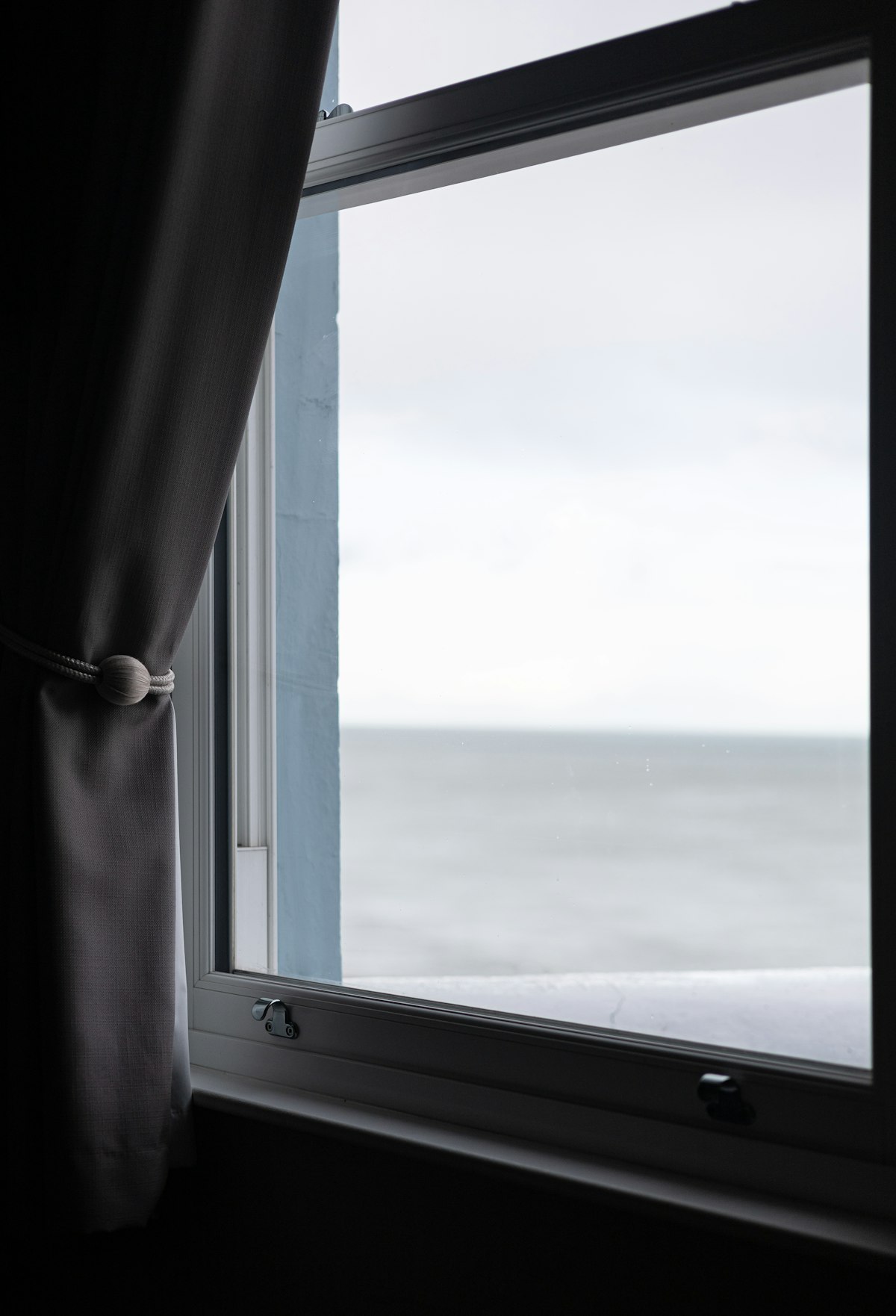
A blackout bedroom for day sleep means covering the glass itself, not adding curtains: cardboard, foil, earplugs, and a fan that lets you sleep at noon.
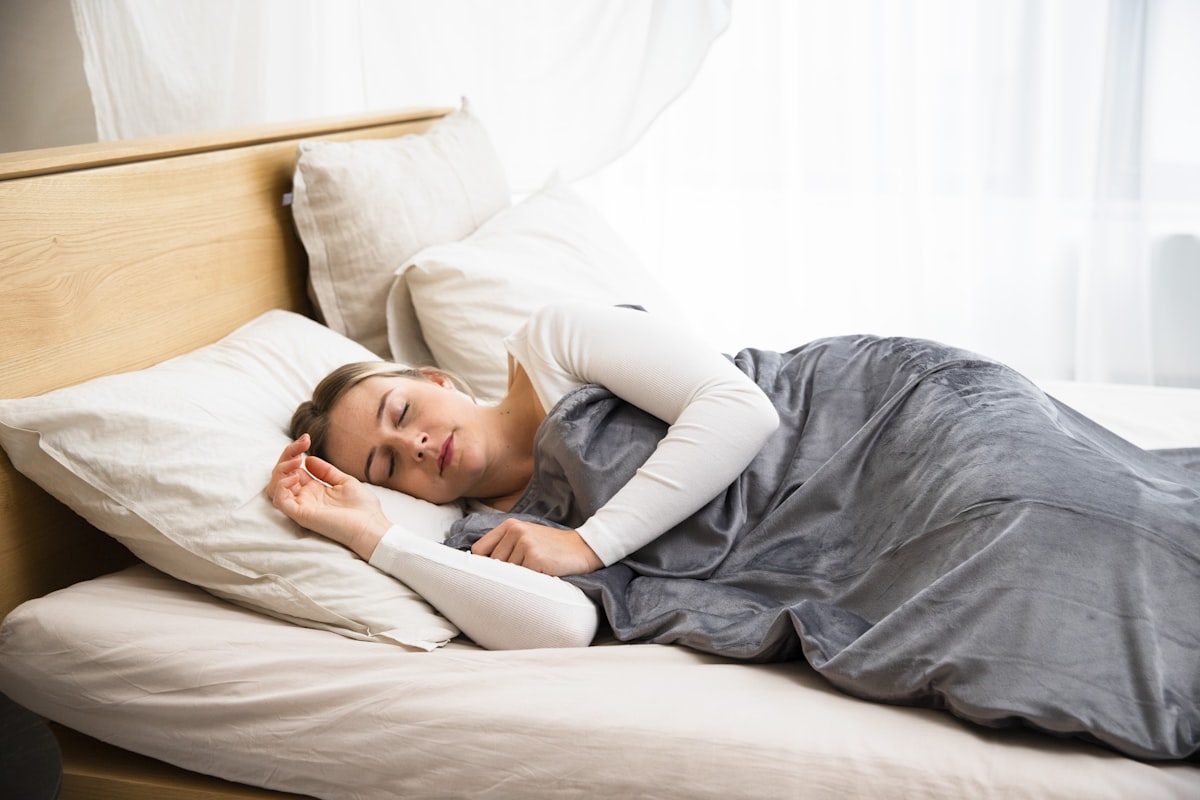
How to sleep after a night shift comes down to two moves: an anchor sleep block your body can count on, and a room dark enough to fight noon.

Morning sunglasses block the light dose your body clock needs, except for night workers coming home. Who should skip the shades before 10 a.m., and who shouldn't.

Alcohol deep sleep, explained: the front-loaded slow-wave half of the night, the REM you lose, the 2013 meta-analysis, and how each drink redraws the night.
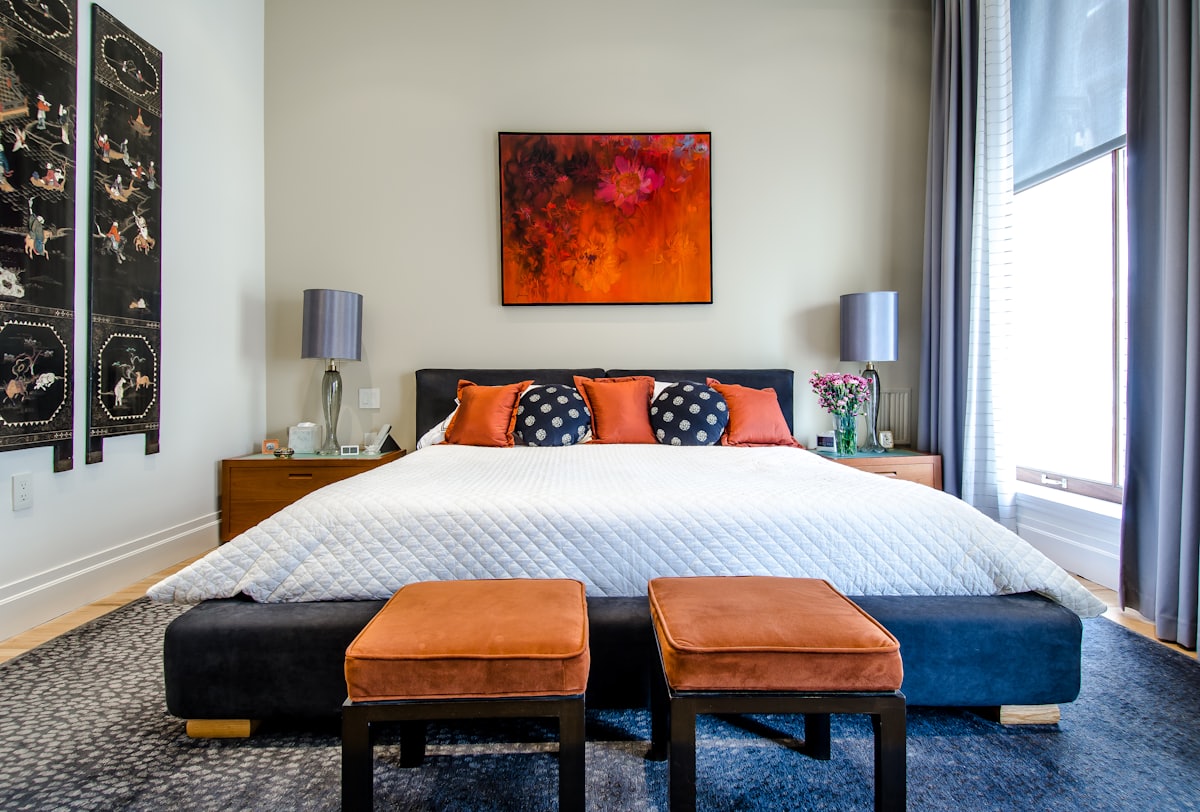
Irregular sleep schedule effects reach past tiredness: fragmented nights, a blurred body clock, worse Mondays, and mornings that feel jet lagged without a flight.

Quit sleep meds cold turkey and rebound insomnia can hand you a week of false conclusions. Why tapers work, why abrupt stopping backfires, and who runs the plan.
Keeping a sleep schedule on vacation without becoming the schedule police: guard the anchor, let the evenings go, and plan the re-entry before you leave.

Sleep inertia is the thick-headed hangover after a nap blows past thirty minutes into deep sleep. Why long naps backfire, and how to nap without the fog.