How to Survive a Quick Shift Change
A quick shift change wrecks sleep because the clock can't flip fast. Here's what actually helps when the roster turns a day run into nights.
The blog
A quick shift change wrecks sleep because the clock can't flip fast. Here's what actually helps when the roster turns a day run into nights.
Alcohol sedation sleep feels like deep rest and bills like a loan. Sedation shuts the brain's night shift off instead of running it, and the work goes undone.
Getting home safe after a night shift is the one non-negotiable in sleep science: 17 hours awake hits like 0.05 BAC. Nap first, take transit, or call the car.
Drowsy driving signs after a night shift include blinking hard, missing exits, and micro-dreams. After 17 hours awake, reaction time is impaired.
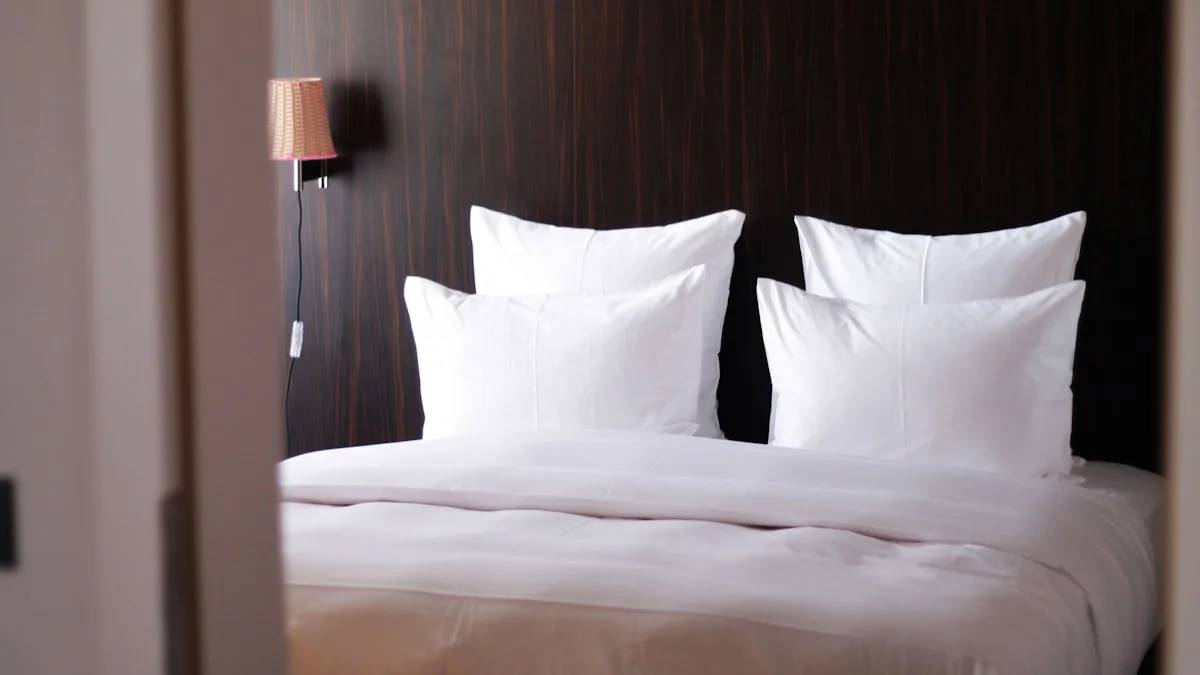
The real reason hotel beds feel better than yours: dark, cool, quiet, and a bed that means one thing. Copy the effect with a 12-dollar kit, not a new mattress.
Why you wake up at 3am after drinking: the liver's one-drink-per-hour clock, the 2 a.m. handoff, and the two-week experiment that finds the pattern.
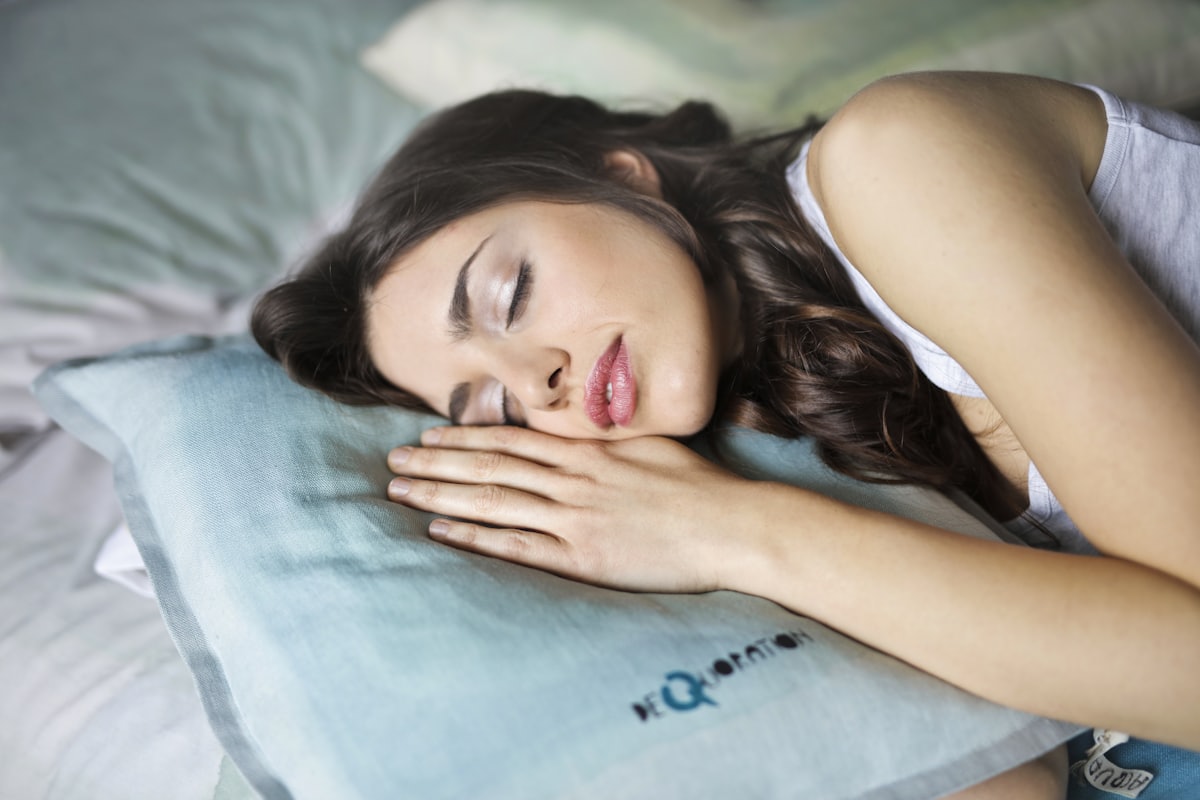
Is sleeping in on weekends bad, or the recovery you've earned? The two-hour rule, why a four-hour sleep-in backfires, and the anchor wake time that fixes Mondays.
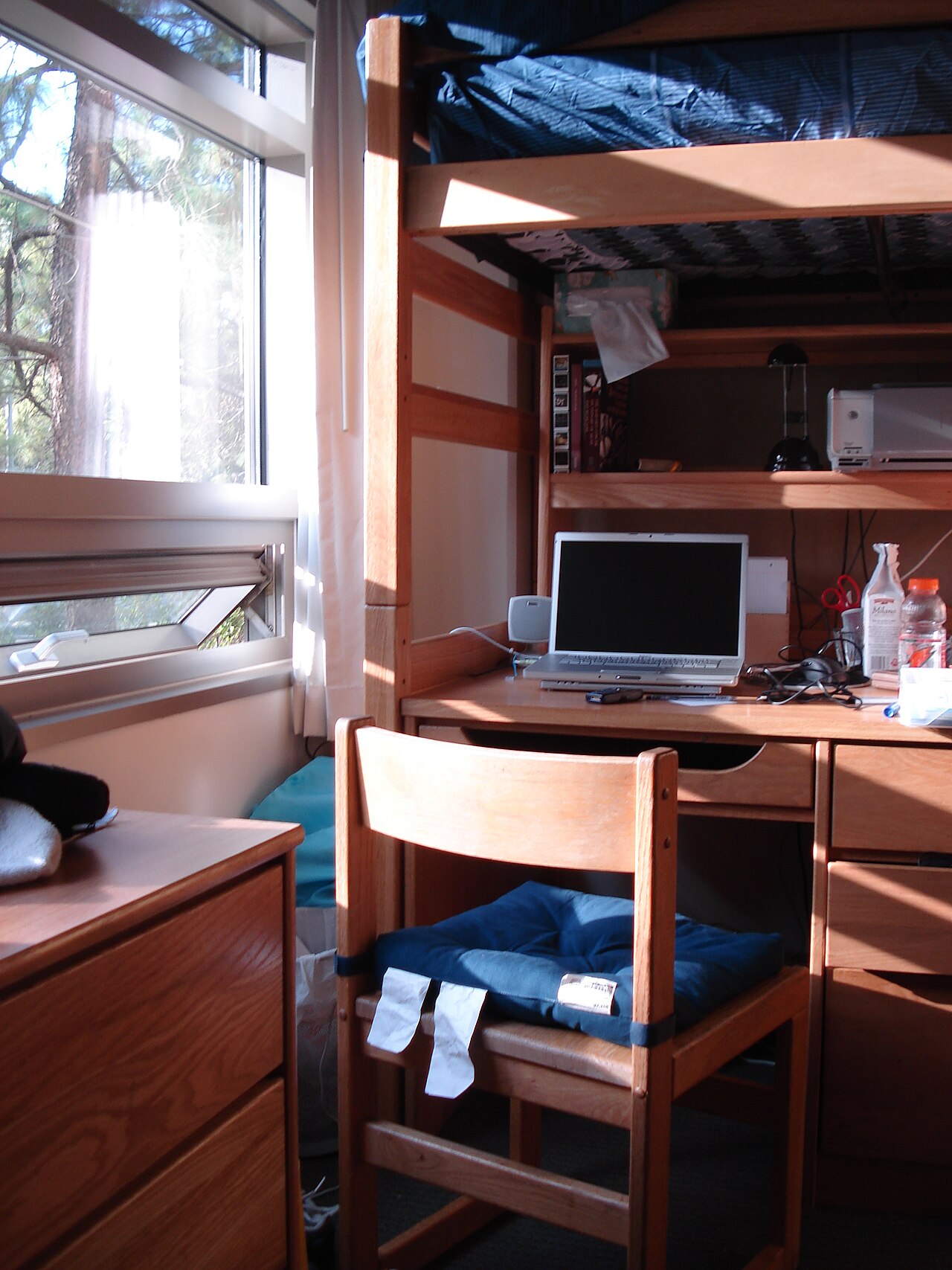
Sleeping in a dorm is a room problem and a schedule problem. Four cheap dials, a carry-kit that fits a drawer, and the two rules that do most of the work.

Some pain relievers pack 65 mg of caffeine per tablet. How the hidden caffeine in evening painkillers stacks against your sleep, what to check, and what to swap.
4-7-8 vs cyclic sighing comes down to the exhale: both are arousal dials, not sedatives, and the counts matter far less than making the out-breath longest.