
30 Days Without Caffeine: What Changes in Your Sleep
30 days without caffeine, week by week: withdrawal days 2 through 9, when sleep depth actually changes, and the honest verdict for fast metabolizers.
The blog
30 days without caffeine, week by week: withdrawal days 2 through 9, when sleep depth actually changes, and the honest verdict for fast metabolizers.

The cognitive shuffle in bed is a word game you lose on purpose: a seed word, random images, letter by letter, until worry can't find a storyline to run.
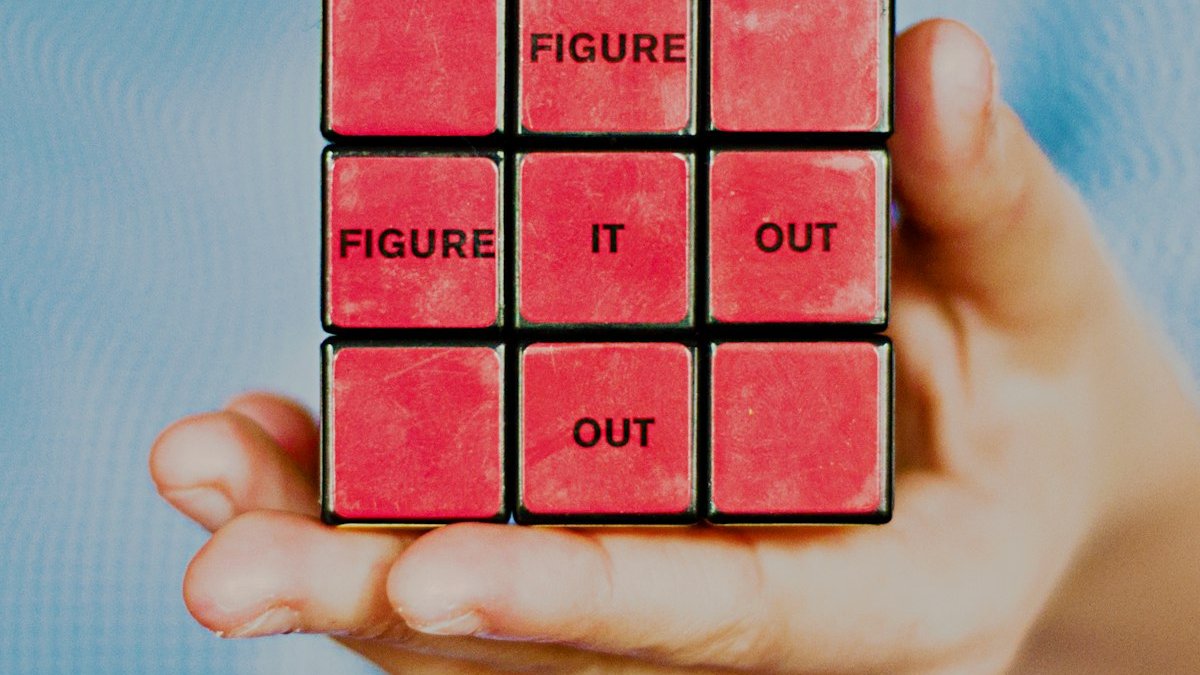
What is the cognitive shuffle: pick a neutral word, spell it letter by letter, and pull a random image for each one. It occupies the mind so worry can't.

A summer evening routine that works when the heat won't break: shift the timing, cool the body the backwards way, and keep the routine's shape through July.

Scheduled worry time moves tonight's problems onto a page two or three hours before bed, so your brain stops holding the meeting at 3 a.m. Here's the method.
Sedentary days ruin sleep even when you feel tired because tired isn't sleep pressure. What a body that moved nothing owes at bedtime, and the walk that pays it.

Exercise snacks, those 5-minute movement breaks scattered through the day, can build real sleep pressure. Here's what they do, what they can't, and how to try it.
Does 10k steps sleep science actually hold up, or is any movement enough? What sleep pressure, two surveys, and a boring walk say about your night.

Kids in your bed at 2 a.m. can quietly break your sleep in half. Why the visits happen, what actually works, and the one-night stand that beats lectures.

Five journal prompts for an anxious night, built on the constructive worry method, so the paper holds the tabs and your 3 a.m. brain can stop guarding them.