
Reading Labels: Caffeine Counts in Drinks and Meds
Reading labels for caffeine counts in drinks and meds, from tea and chocolate to pain relievers, so your cutoff experiment stops lying to you.
The blog
Reading labels for caffeine counts in drinks and meds, from tea and chocolate to pain relievers, so your cutoff experiment stops lying to you.

A 12-minute wind-down routine beats a perfect hour you only manage twice a week. Teeth, five minutes of stretching, phone in the kitchen, lights off, done.

The worry page is a ten-minute paper exercise two to three hours before bed that turns open loops into appointments so your 3 a.m. brain can clock out.

Journaling at night helps sleep only if it closes loops instead of reopening them. Where to do it, when to do it, and the two-column rule.

Caffeine and cortisol interact in your first waking hour. Why coffee on an empty stressed system hits harder, and the simple timing that smooths both.
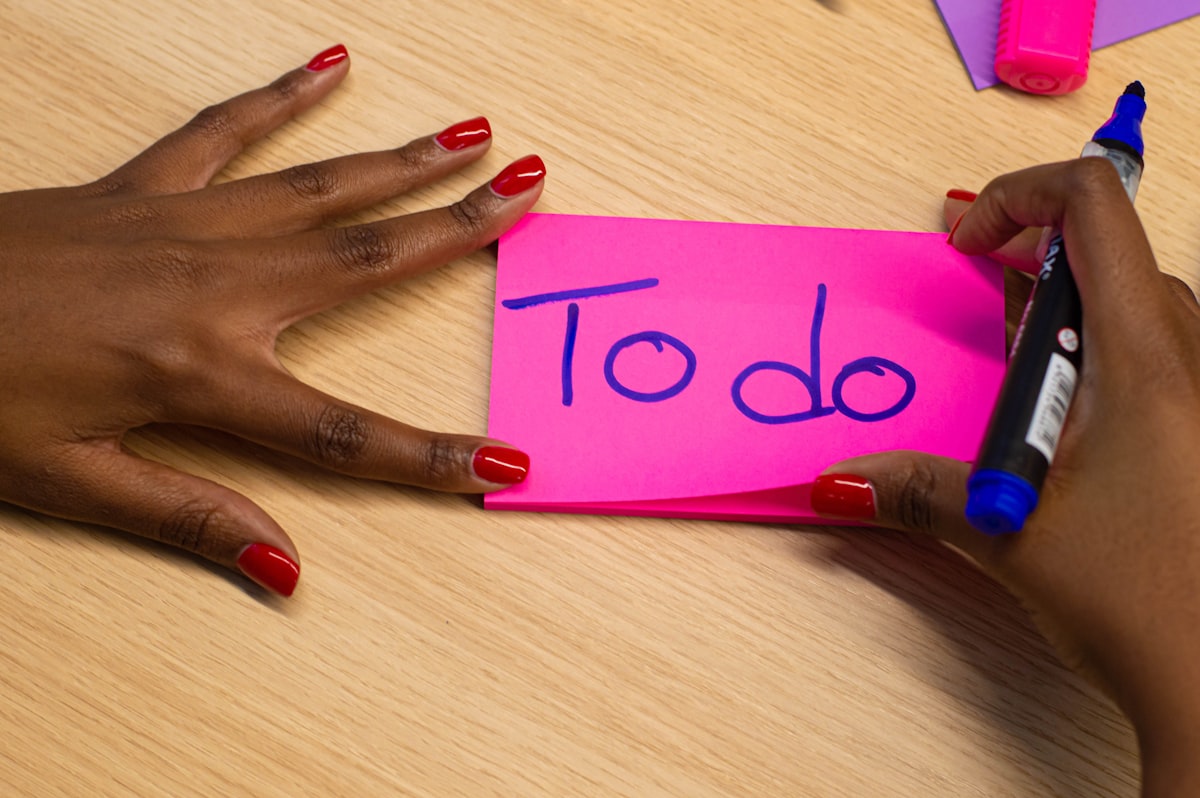
A constructive worry session takes ten minutes at the kitchen table, two to three hours before bed, and it keeps tonight's worries from running the 3 a.m. shift.

A winter wind-down routine for dark evenings: dim the house early, take the warm shower, read paper, and let the season work with your sleep instead of against it.

Matcha vs coffee for sleep: the L-theanine story, the honest caffeine math, and why gentler still obeys the same cutoff as espresso.

Snoring bedroom fixes that actually work start with the room, not the relationship: earplugs fitted right, a steady fan, and a calm plan for the snorer's health.

Pets in bed can cost you sleep in ways you never log. The two-week floor-bed experiment, what change does to a sleeping brain, and when sharing is fine.